
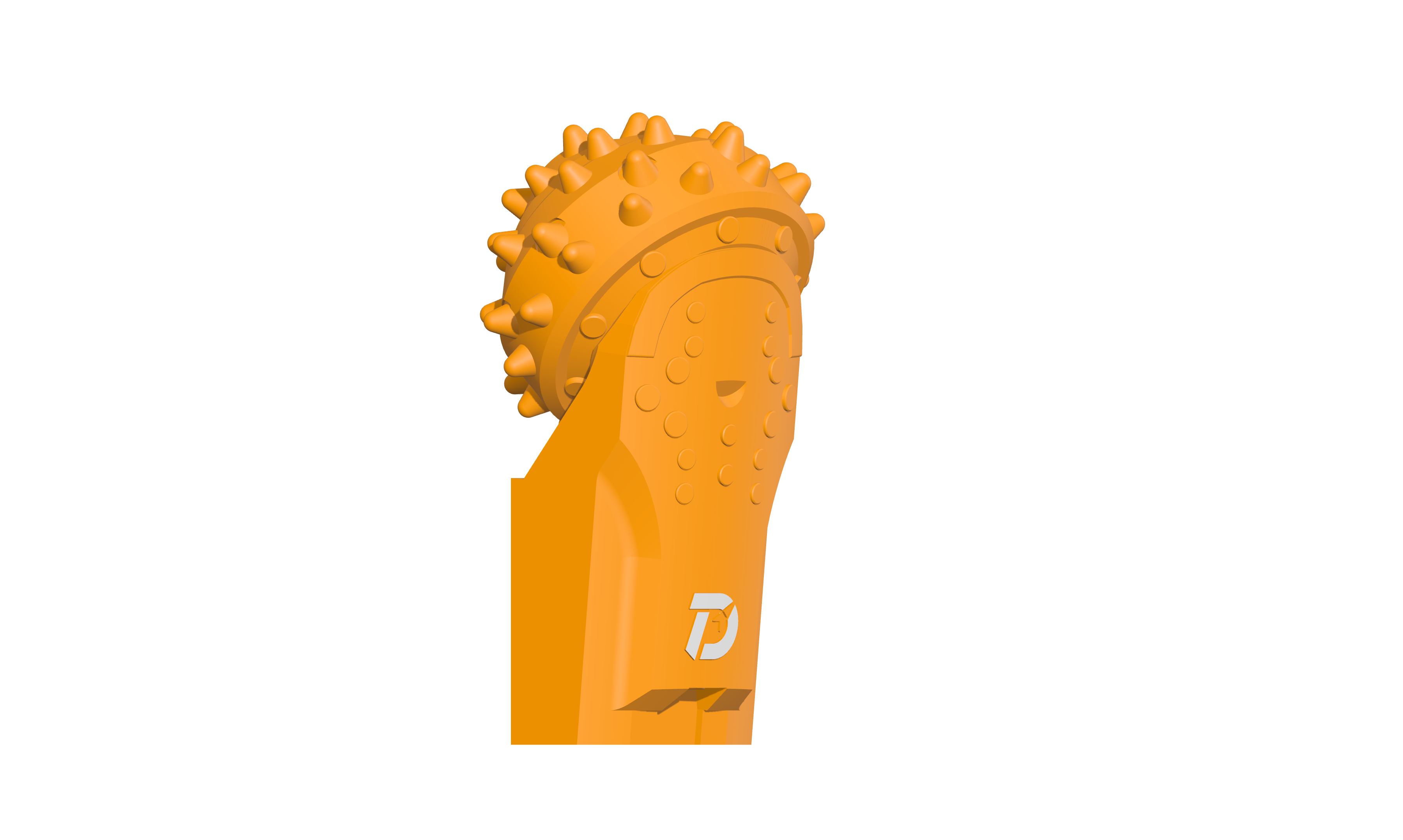
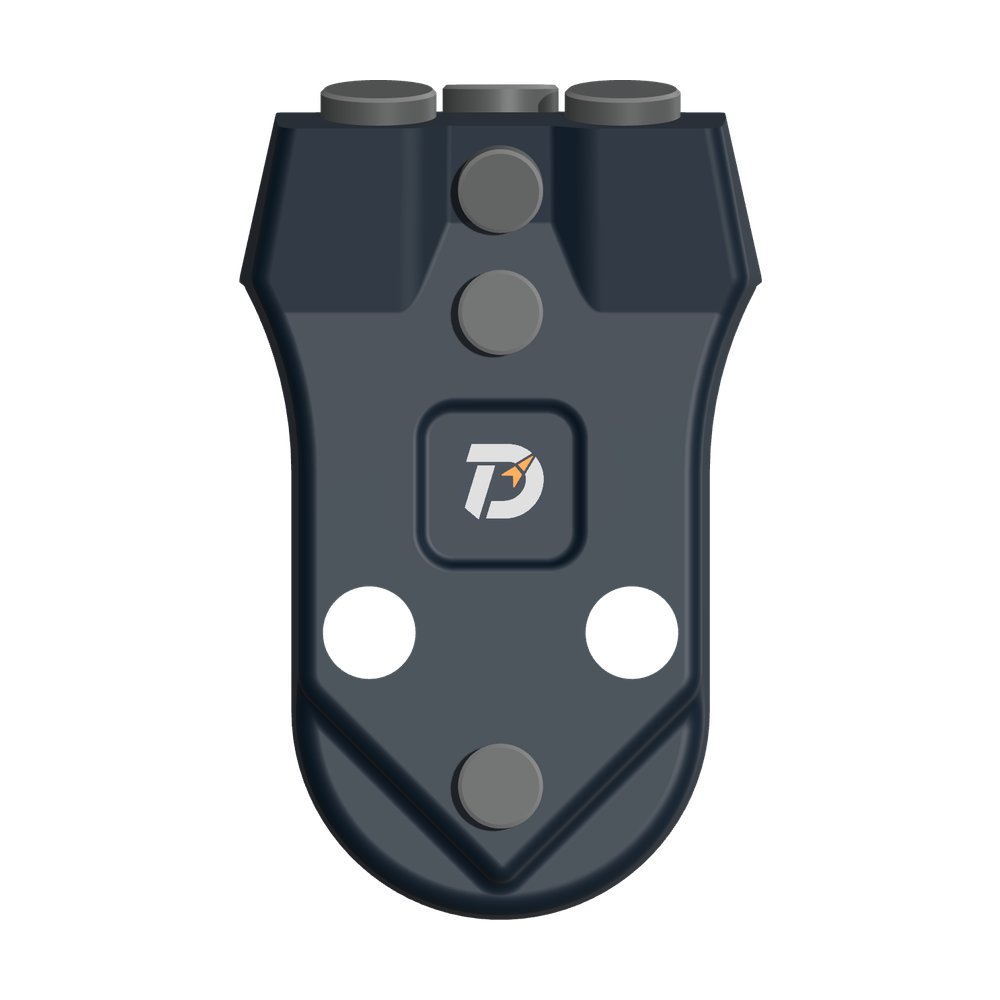
 WS39 casing tooth
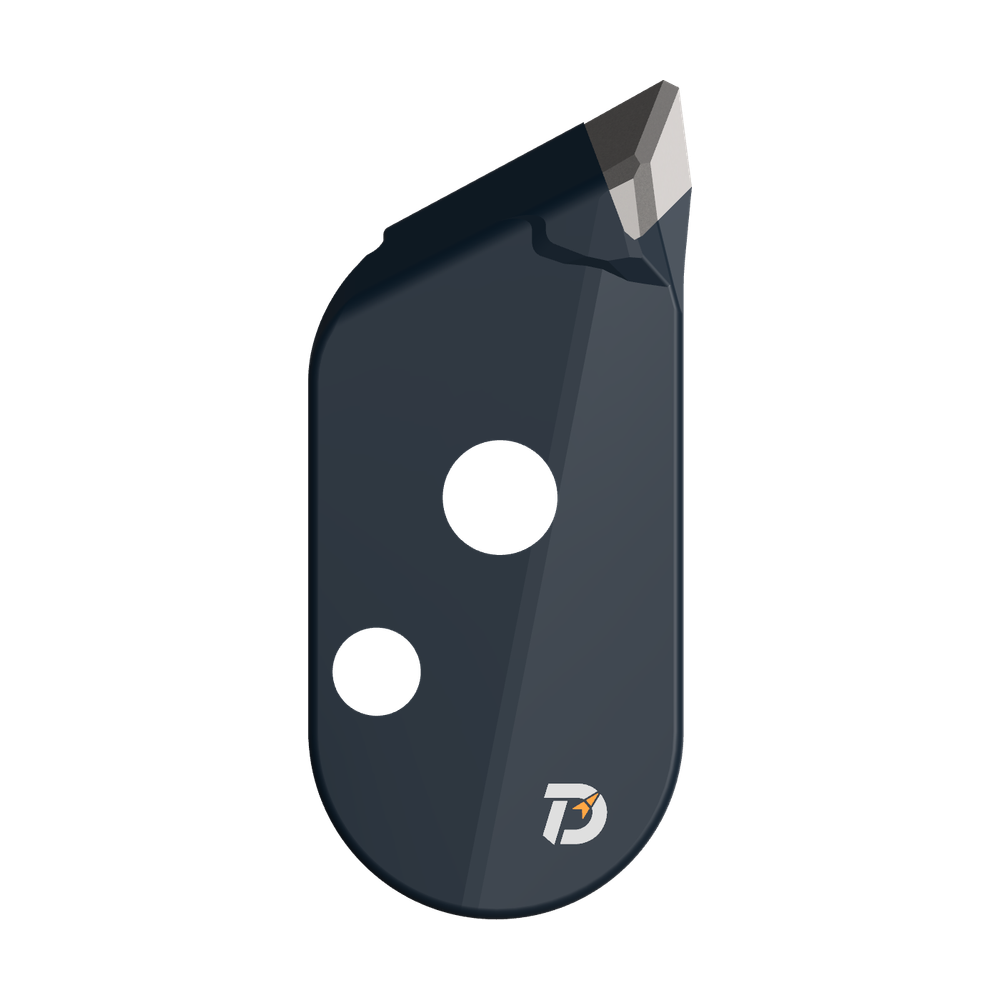 JM cutter tooth
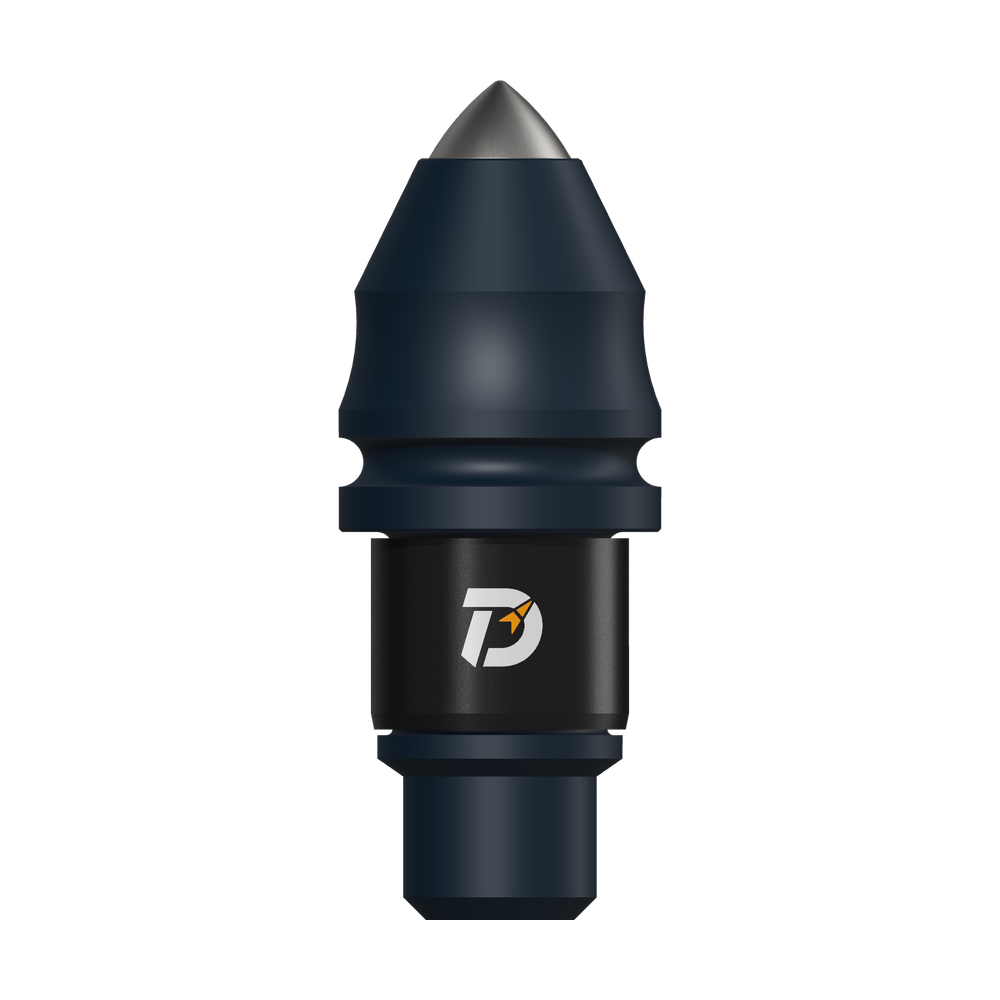 B47K22 bullet tooth
Keep the complete B47 reference, then match the shank, holder seat and retaining parts. A replacement enquiry should identify each component and its quantity.
01
Identify the complete tooth reference
Keep letters and suffixes such as B47K22 or B47K22H on the enquiry. Include an unused part or selected drawing; the length of a worn tooth cannot establish the original working projection.
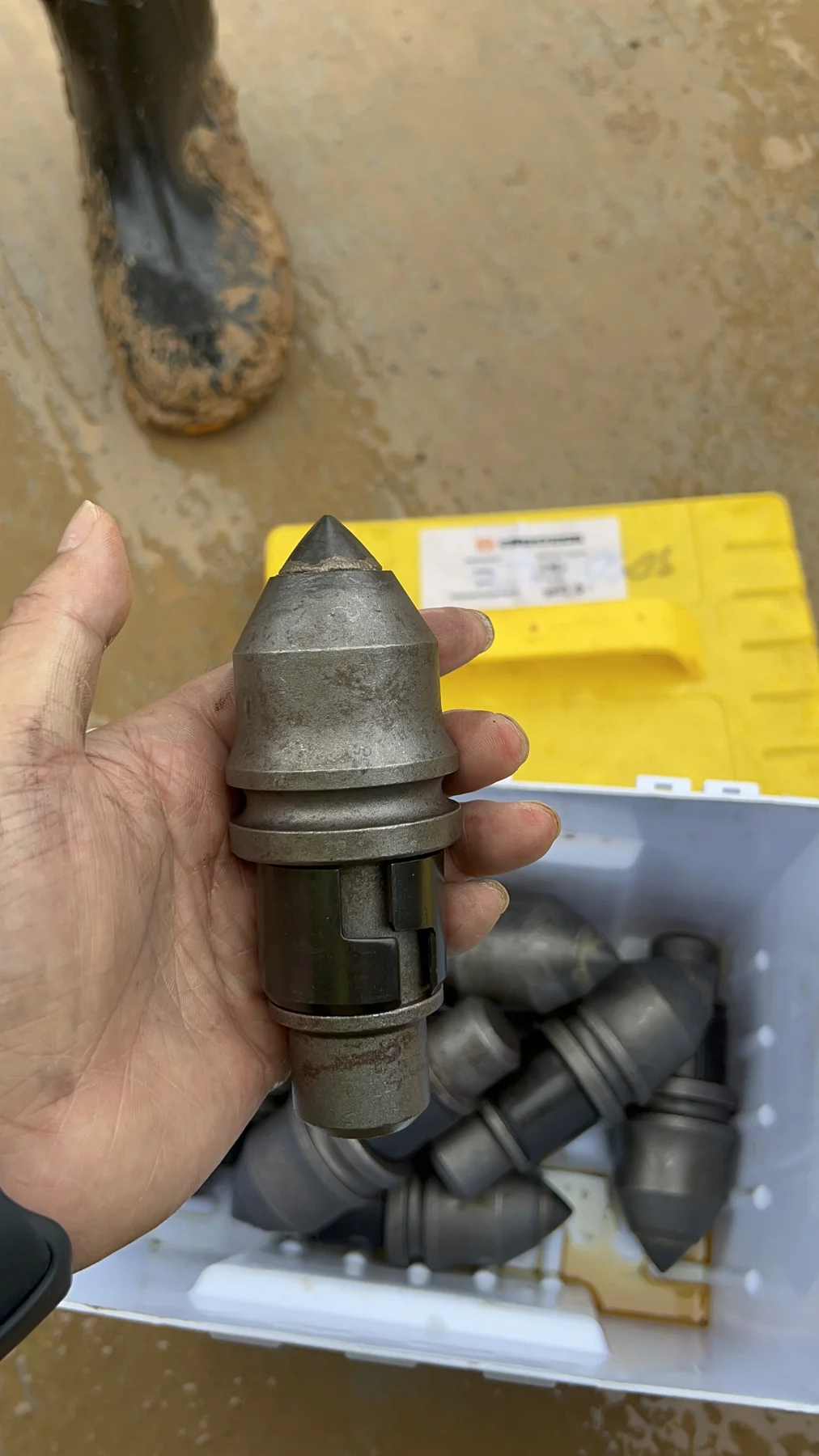
Bullet teeth are round shank chisels, also called round shank cutter bits. Check the carbide tip and mounting shank separately.
02
Read the shank dimensions as well as the tip
Compare shank diameter, insertion length, shoulder and retaining feature. Do not assume that B47 family members or a similarly named holder interchange.
The dimensioned reference helps identify what must match; the selected part drawing defines the order.
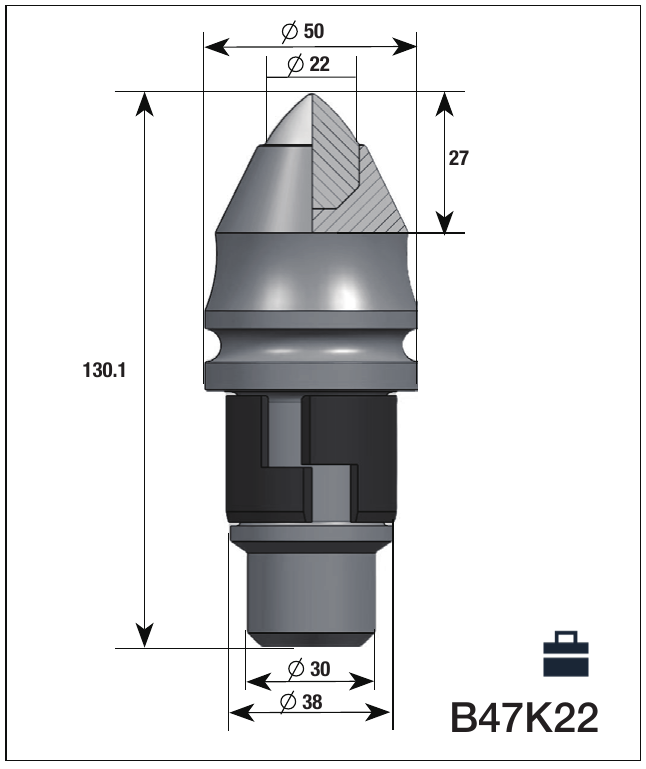
Read the B47K22 drawing feature by feature
The reference drawing below is for B47K22. Its cutting end and stepped mounting end have different diameters. A worn overall length or a matching carbide tip alone cannot confirm that the tooth seats correctly.
| Feature shown | Value | What it helps you check |
|---|---|---|
| Overall tooth length | 130.1 | Identify the complete unused part; keep installed projection as a separate measurement. |
| Maximum head diameter | Ø50 | Check head clearance relative to neighbouring teeth and the holder. |
| Carbide diameter | Ø22 | Identify the cutting end; this is not the holder-bore diameter. |
| Stepped mounting end | Ø38 / Ø30 | Compare both corresponding steps and the retainer arrangement. |
| Tip to marked head shoulder | 27 | Read this dimension between its drawn limits; do not call it the complete carbide length. |
Before ordering, seat an identified reference part in the isolated holder: the shoulder must reach its intended seat, the retainer must engage, and a tooth designed to rotate must remain free to rotate. If it stops short, inspect packed material, burrs, seat damage and the part reference before forcing it into position.
03
Inspect the installed holder
Photograph the holder mouth, seat and supporting steelwork. Include damage, wear and the actual retaining part. For a design intended to rotate, report whether the tooth turns freely.
A new tooth does not restore a worn holder seat. State which holders and retainers you plan to reuse.
Build your B47 parts list
Copy these three lines into your enquiry. Keep the full tooth suffix and give each component its own quantity; do not assume that one “set” contains equal numbers of teeth, holders and retainers. Use Not yet identified for an unknown reference.
| Item | Identification | Supply request |
|---|---|---|
| Bullet teeth | Full model / suffix: ____ Drawing / revision: ____ Photo / position reference: ____ | New / reuse / to confirm: ____ Quantity to supply: ____ |
| Holders | Holder reference: ____ Drawing / revision: ____ Photo / position reference: ____ | New / reuse / to confirm: ____ Quantity to supply: ____ |
| Retainers | Retaining-part reference: ____ Drawing / revision: ____ Photo / position reference: ____ | New / reuse / to confirm: ____ Quantity to supply: ____ |
For parts you plan to reuse, include the holder mouth and seat, the actual retainer and the complete tooth shank. Number the positions if the problem affects only part of the cutting ring. Note the symptom, such as a loose or lost tooth, broken shank or uneven wear; the symptom alone does not identify the cause.