
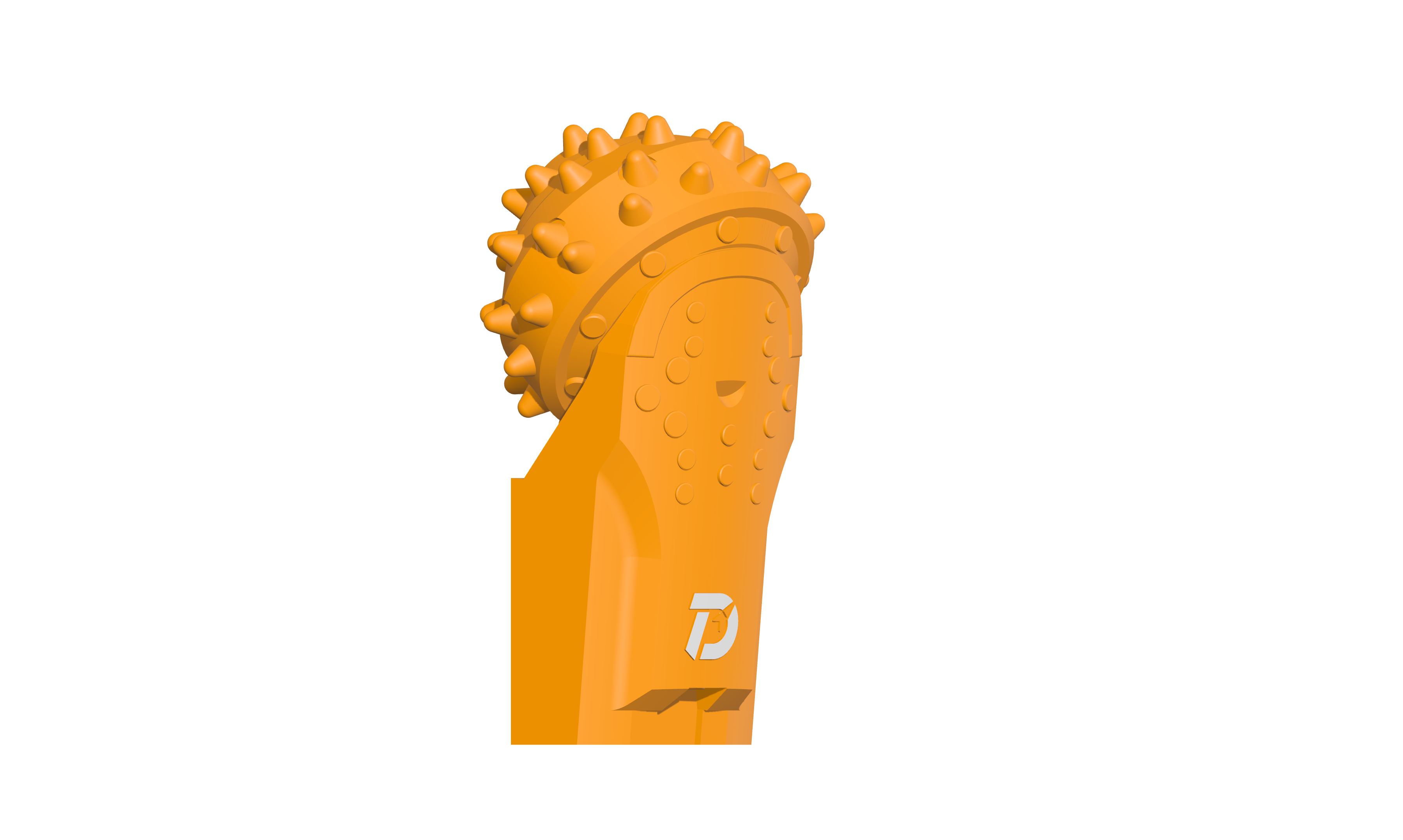
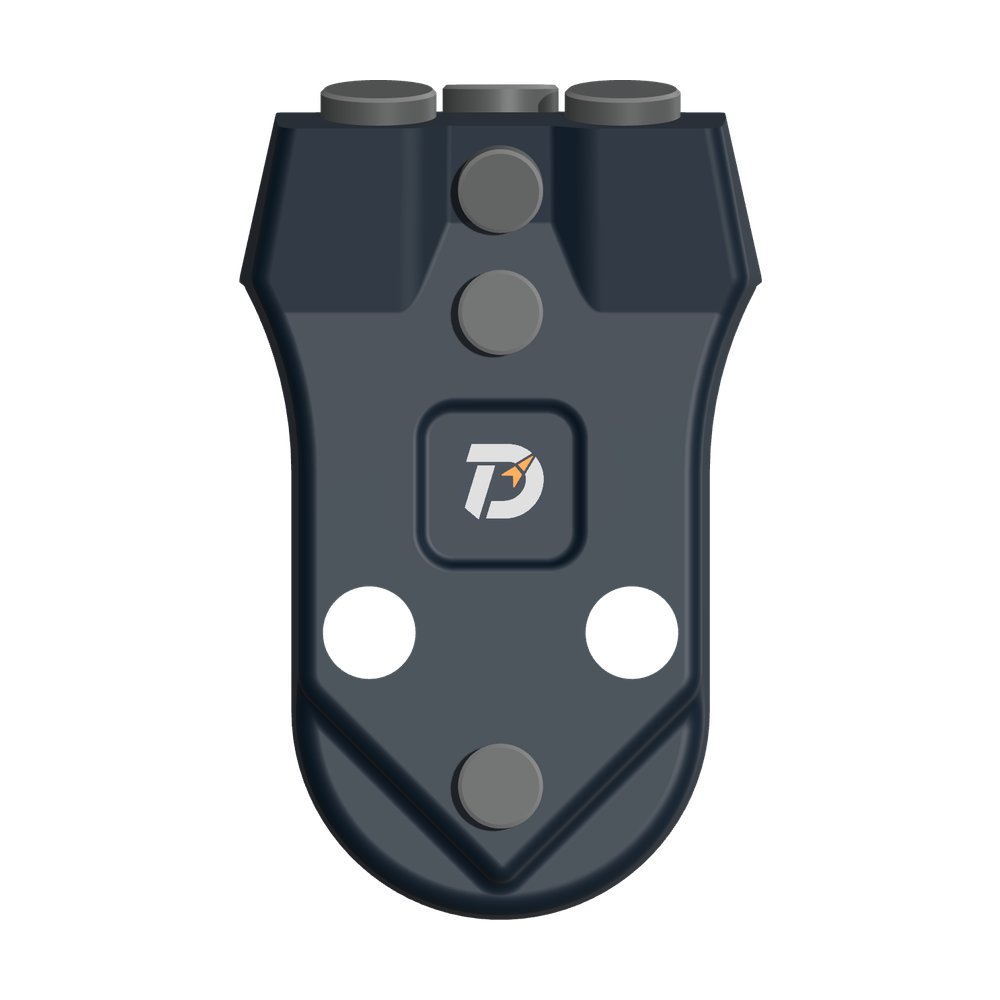
 WS39 casing tooth
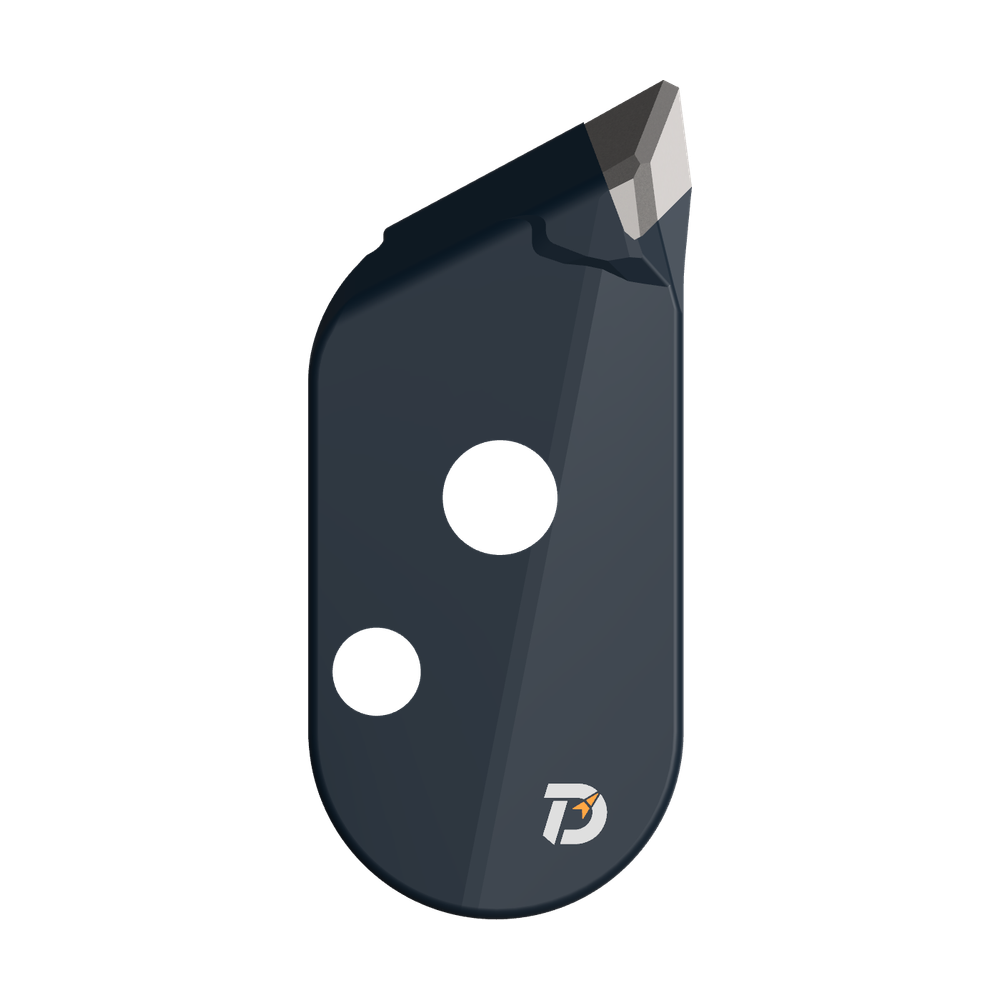 JM cutter tooth
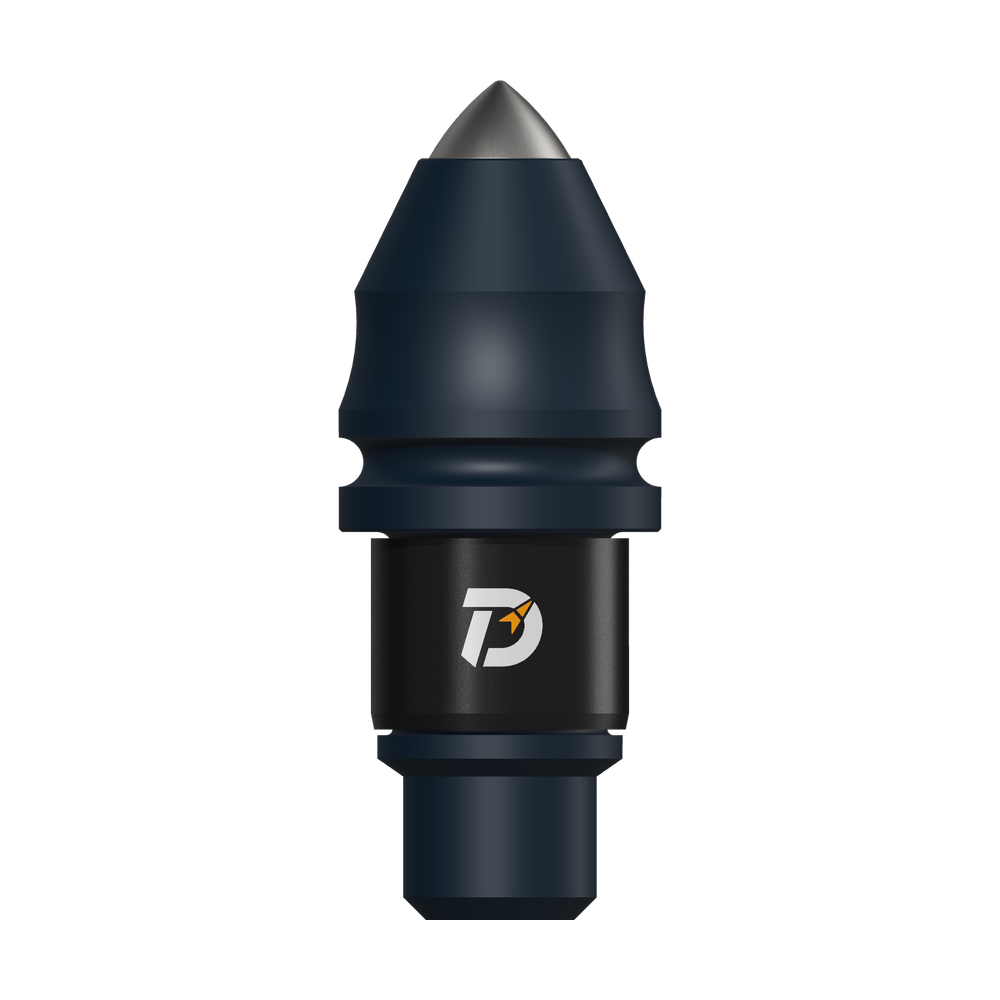 B47K22 bullet tooth
In the tricone-derived size convention, “8½ inch” refers to a complete tricone bit’s nominal diameter—not a 215.9 mm measurement across one cone. For a piling roller bit, separate that size description from the individual component dimensions and the cutting diameter of the assembled core barrel.
Where does “8½ inch” come from?
A tricone bit has three cone-and-leg sections arranged as one drilling head. Its inch designation refers to the nominal diameter of that complete head. The arithmetic is straightforward: 8.5 × 25.4 = 215.9 mm.
In the tricone-derived naming convention, a single roller-bit section can retain the inch-size description of that original complete head. On a piling core barrel, individual roller bits are instead positioned around the cutting ring. The name has carried over; the original three-cone arrangement has not.
This explains why converting 8½ inches into millimetres does not give the diameter of one cone, the overall height of one roller bit or the required barrel diameter. It also does not mean that any three modern piling roller bits can be assembled into a tricone bit.
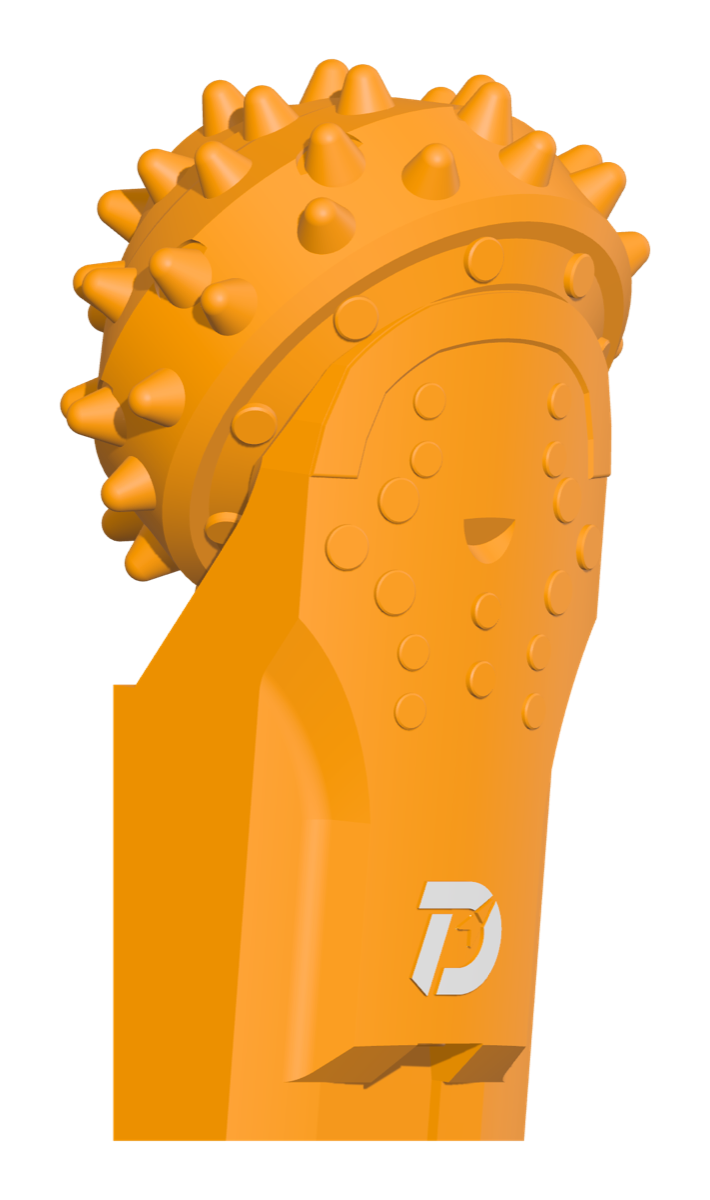
Why can the catalogue show 139 mm?
The MH-3 product page lists 139 mm as its catalogue cone size. That is a different reference from the 215.9 mm nominal diameter of a complete 8½-inch tricone bit. The two numbers describe different things; one is not an alternative unit conversion for the other.
Use the component drawing to identify the actual measurement features. A catalogue cone size does not provide the leg profile, overall assembly dimensions, holder interface or installed working height.
| Model | Catalogue cone size | Mounting distinction |
|---|---|---|
| MH-1 | 132 mm | Flat weld-on leg; the selected drawing revision defines the arrangement. |
| MH-2 | 139 mm | Curved weld-on leg. |
| MH-3 | 139 mm | Thicker weld-on leg with a preset welding angle. |
| MH-3C | 139 mm | Replaceable cutter in a matched holder. |
These are published catalogue references, not a universal interchangeability standard. See the current MH-series specifications and the selected order drawing for the configuration being supplied.
Same cone size does not mean the same replacement
MH-2, MH-3 and MH-3C all list 139 mm, yet their mounting arrangements differ. This is a useful comparison when a quotation describes only an inch size or cone size: the number has not identified how the part attaches to the tool.
For a weld-on replacement, compare the leg profile and the working position it produces on the ring. For a replaceable arrangement, compare the cutter with its actual holder, retention parts and access space. A matching cone-size entry alone cannot establish either fit.
The practical choice is therefore a model and mounting arrangement, followed by confirmation of its drawing. Our weld-on and replaceable roller-bit guide shows which parts stay on the tool and which are changed.
Why the barrel diameter is a separate decision
On a core barrel, the roller bits work around an annular cutting path. Their radial positions establish the outer and inner cutting paths. The same component-size description therefore does not define one finished barrel diameter.
The steel ring is another reference again. Do not use its diameter in place of the maximum cutting diameter, or assume that the cutter’s inch designation supplies either number. When reading an assembly drawing, first identify whether each diameter belongs to the steelwork, the inner cutting path or the outer cutting path.
See the cutting-envelope explanation for how those references relate on a complete assembly.
