
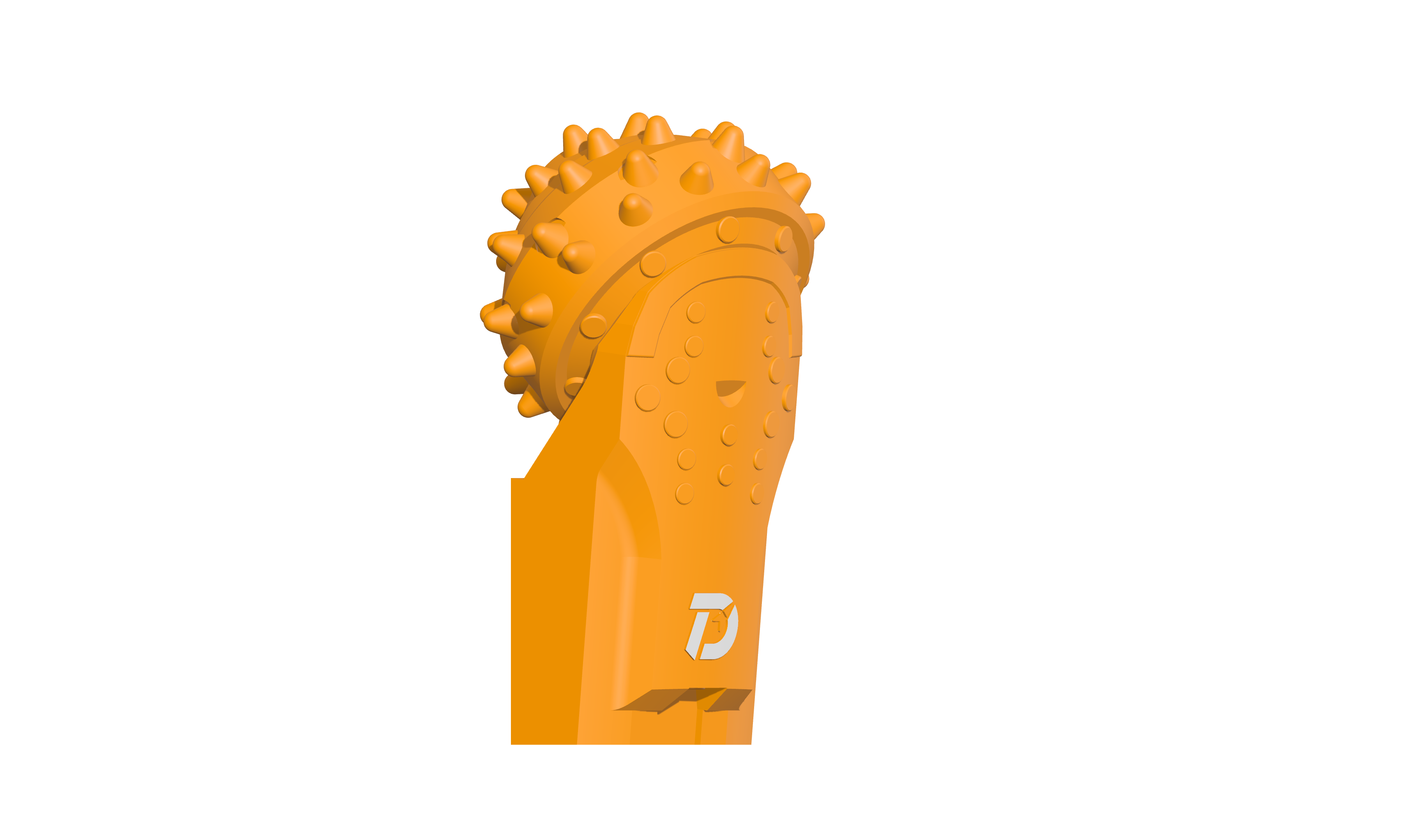
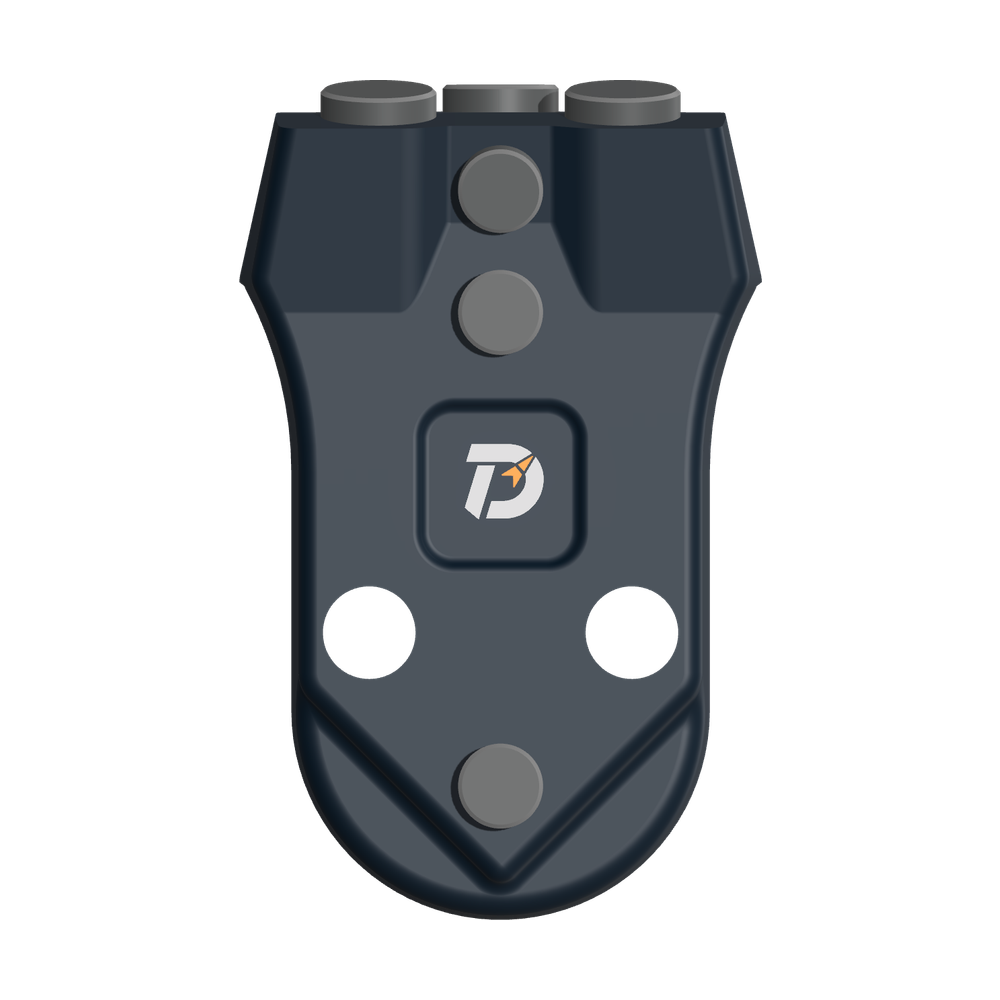
 WS39 casing tooth
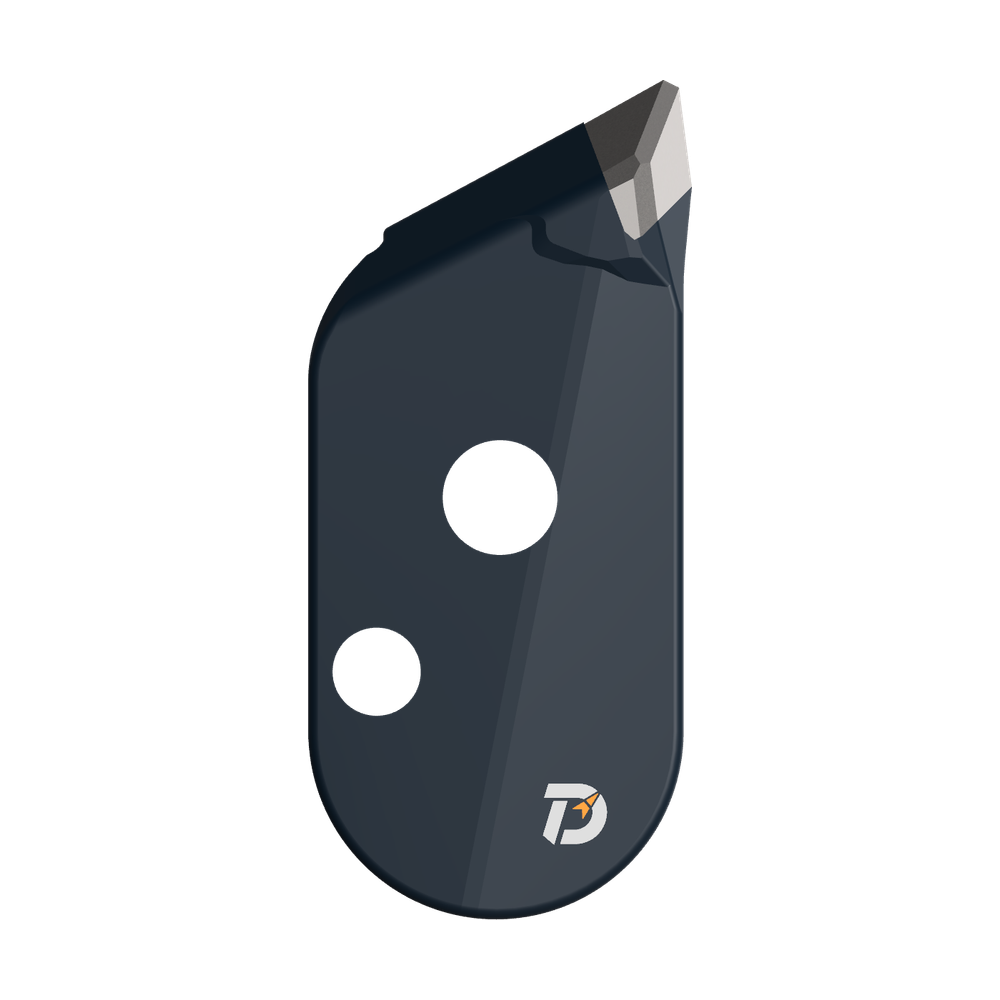 JM cutter tooth
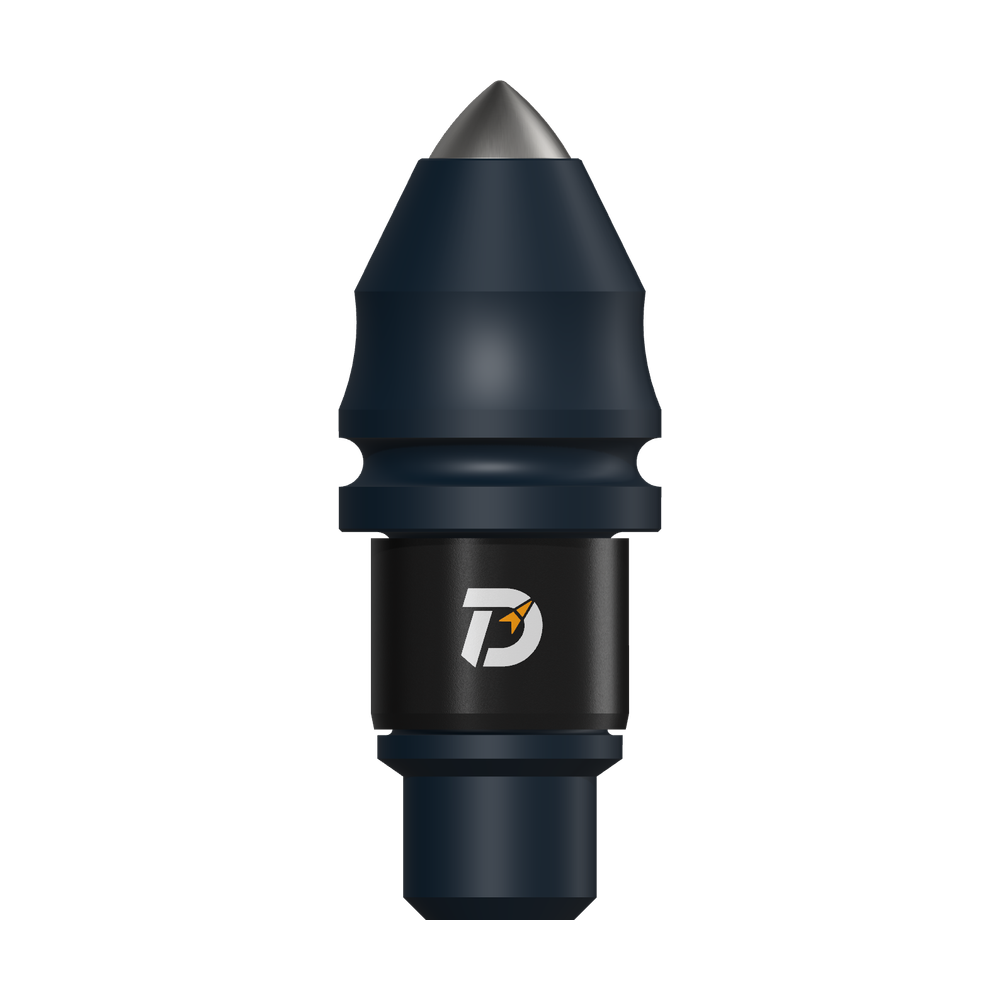 B47K22 bullet tooth
First identify whether the part works on a casing shoe or a diaphragm-wall trench cutter wheel. These are different assemblies, so matching names or similar shapes cannot confirm fit.
01
For a casing shoe, show the tooth and holder
Include casing diameter, tooth position, seat, holder and pin or other retaining parts. Compare the mounting dimensions against the selected drawing.
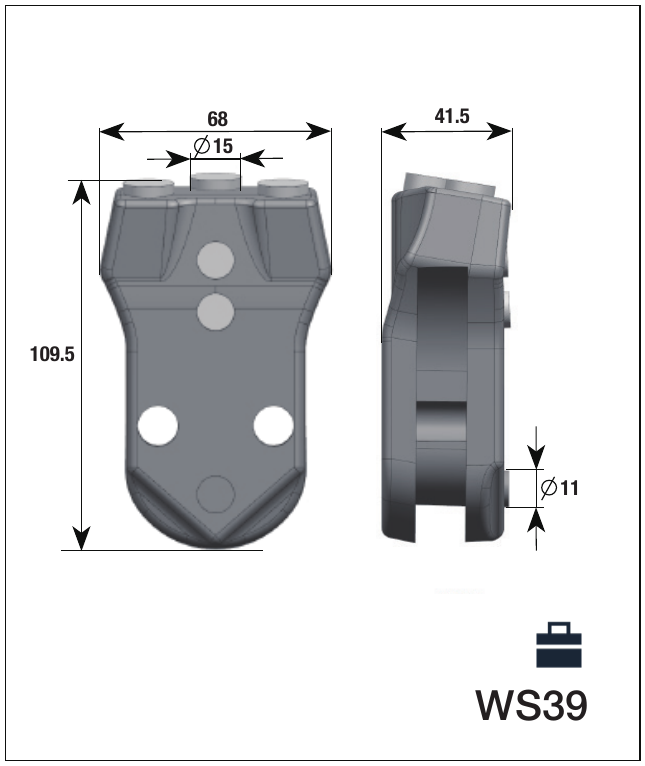
02
For a cutter wheel, keep the mounting position
Supply the wheel layout and individual tooth position, with the holder and retaining details. Keep this reference separate from a casing-tooth enquiry.
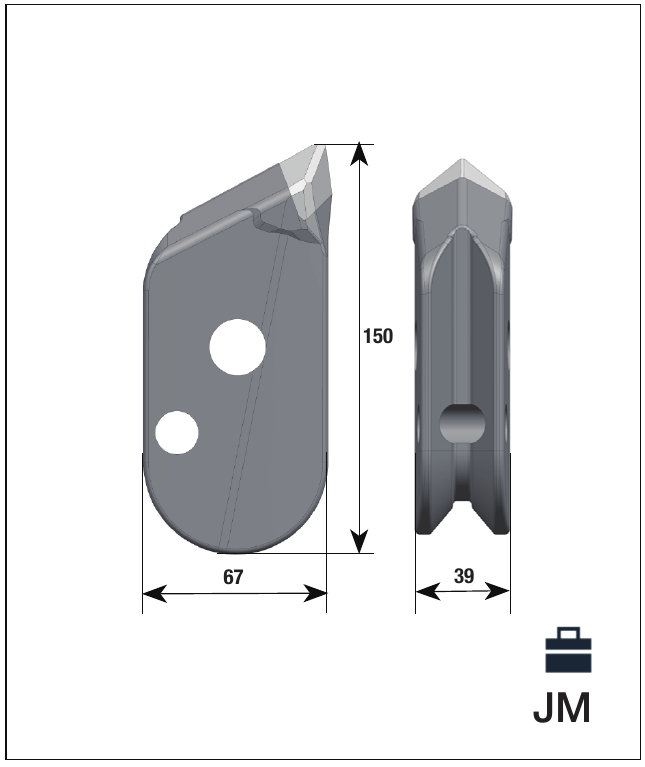
Keep the two mounting checks separate
| Assembly | Features to identify | Common mistake to avoid |
|---|---|---|
| Casing shoe / WS39 example | Tooth seat, fixing holes, pin engagement, holder wear and the position on the shoe. | Ordering the tooth while omitting the matching pin or a damaged holder. |
| Trench cutter wheel / JM example | Tooth reference, mounting-hole pattern, support face, wheel position and required orientation. | Matching overall size while overlooking the wheel mounting or handed position. |
For either assembly, photograph the mounting with the worn tooth removed and compare the fixed interface with the selected drawing. Tip wear changes the visible outline; it does not establish the original mounting geometry. The JM sample inspection shows how overall dimensions, holes and the cutting-end joint are inspected as separate features.