
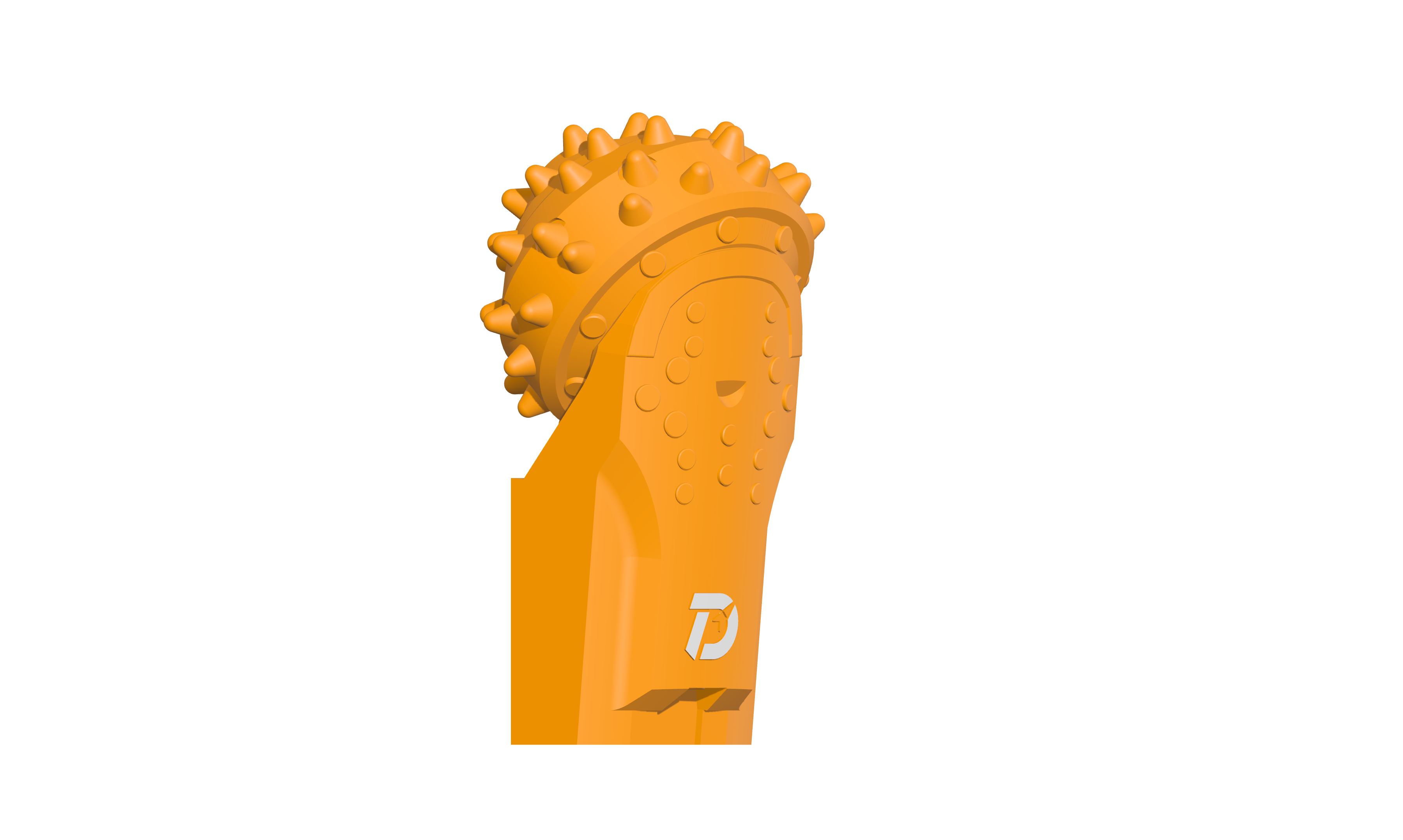
 WS39 casing tooth
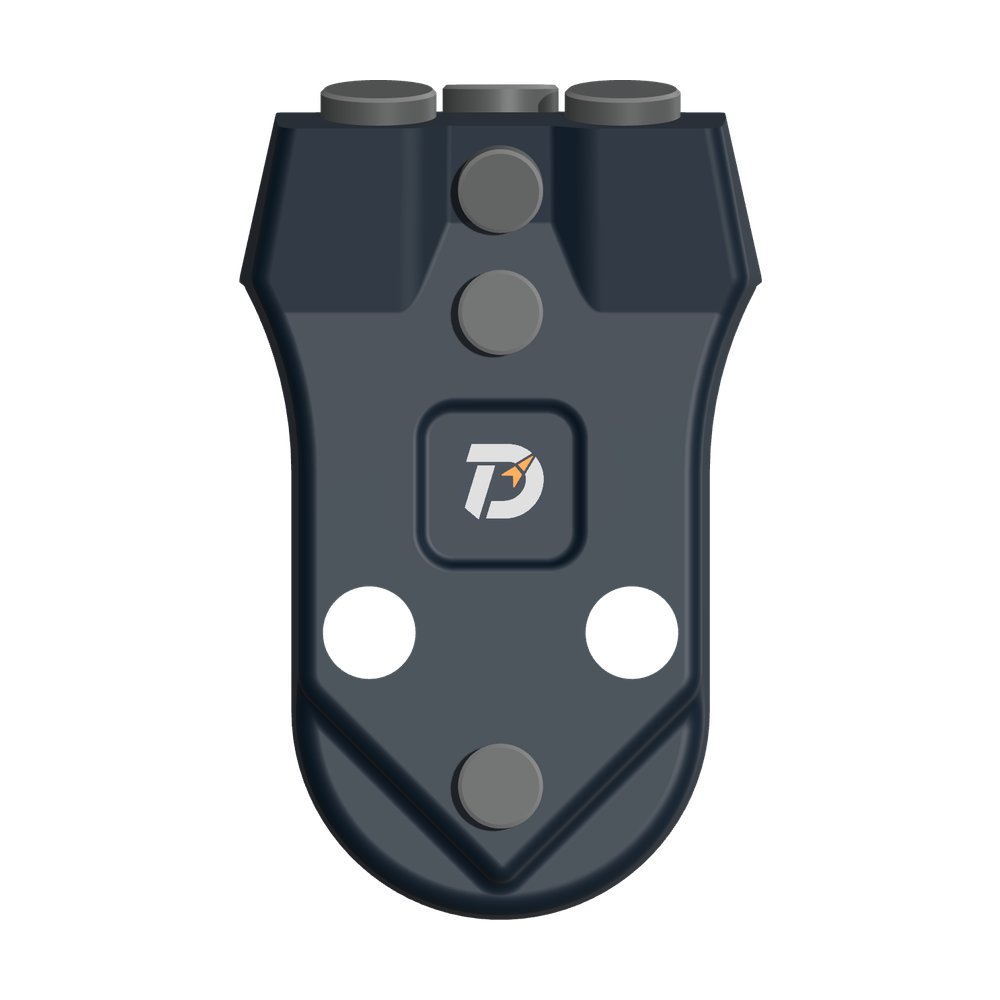
 JM cutter tooth
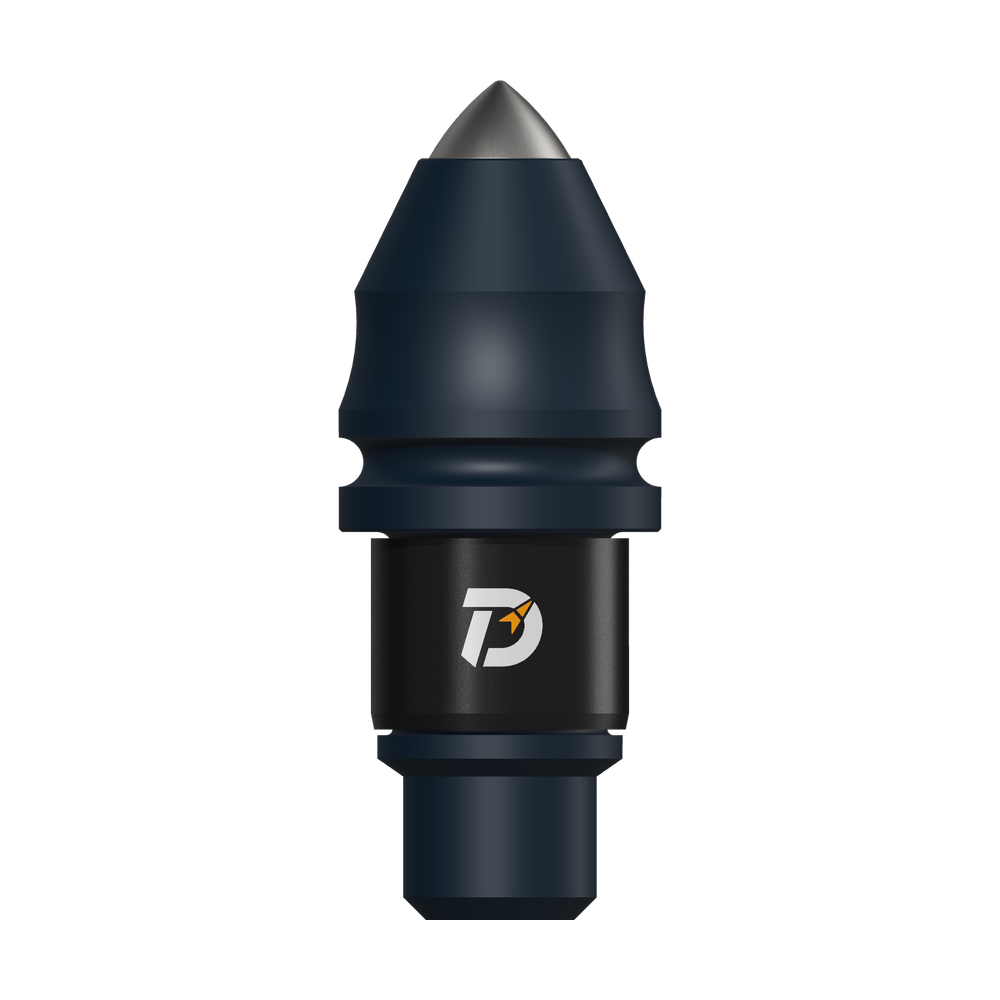 B47K22 bullet tooth
TianGui project · Guangzhou · Field inspection
Trench cutter teeth: inspect the tooth in its wheel position
DRILLNOVA · Field report · Updated
At TianGui, the field team lifted and cleaned the cutter, checked the installed teeth and recorded replacement work. The photographs show why a tooth close-up needs the surrounding wheel and holder; the operating log shows why cutting and maintenance need separate entries.
The December 2023 site note records an SX50 trench cutter and a trench 2.5 m long by 1 m wide. A bullet-tooth core barrel first drilled one hole before trench cutting continued.
One predrilled hole, then trench cutting
The note lists bullet-tooth core barrels, a drilling bucket and the trench cutter at the site. Its recorded sequence is specific: make one hole with the bullet-tooth core barrel, then continue with the trench cutter. This explains why rotary drilling equipment and a cutter appear in the same site record.
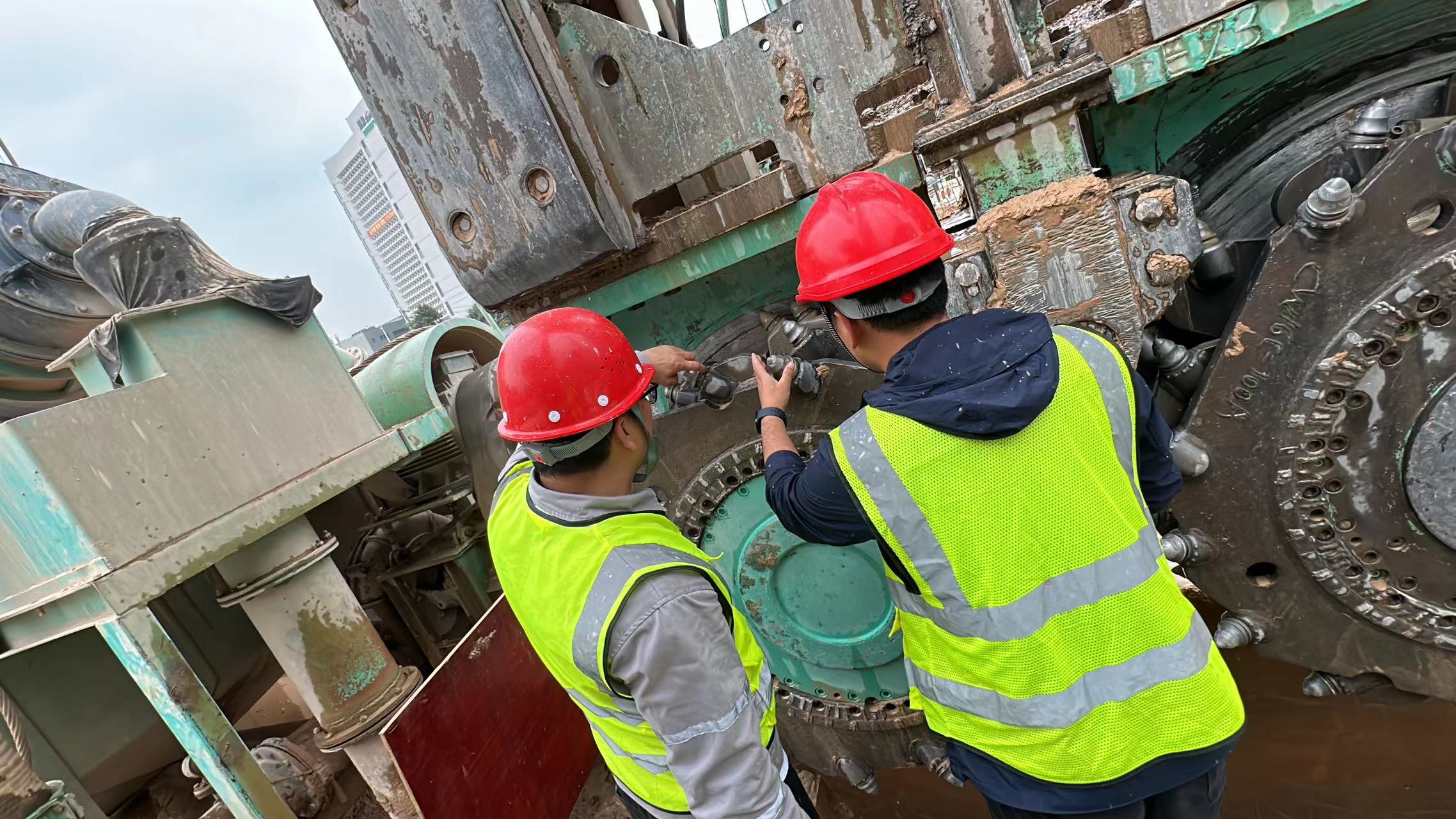
The site note also records lifting the cutter and clearing mud, followed by a section on tooth inspection. The photograph below shows the cleaning activity; it does not show a measured improvement in tooth rotation.
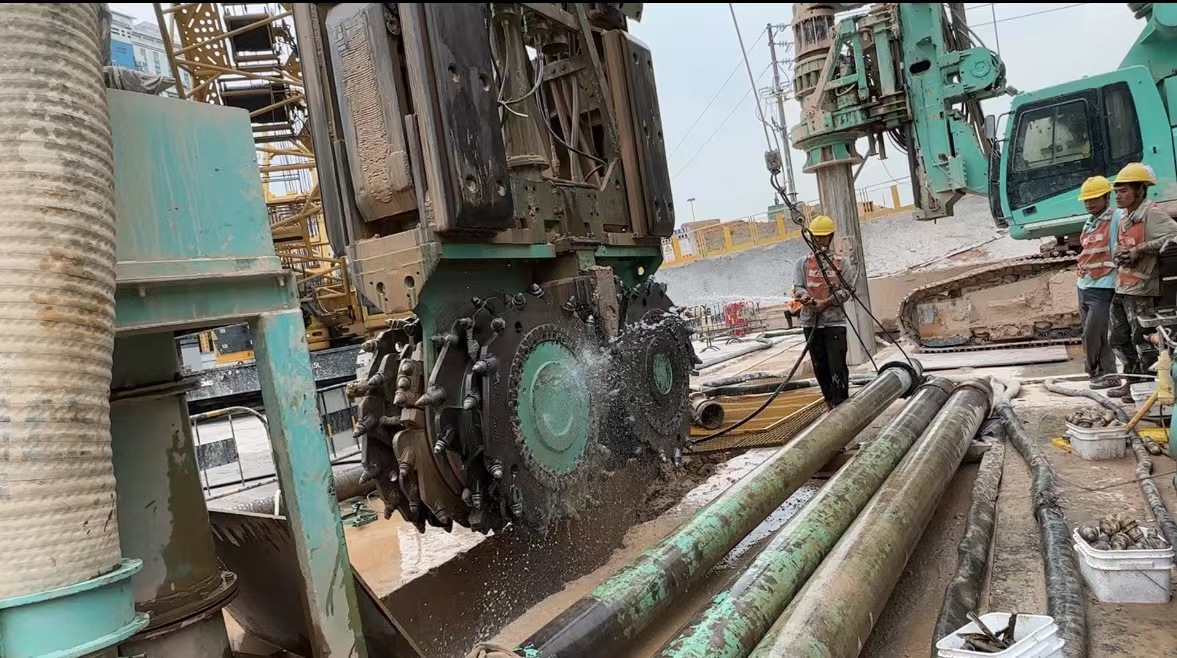
Keep the tooth, holder and wheel position in the same record
The original inspection note specifically mentions middle-position teeth that were not turning and calls for replacement of unserviceable teeth. The useful detail is the position of the observation: a loose tooth in a bucket cannot tell a reviewer where it worked.
The close-up below shows an installed round-shank tooth with its holder. The replacement scene shows the wheel behind a hand-held tooth. They document different views, not a before-and-after comparison of one numbered tooth.
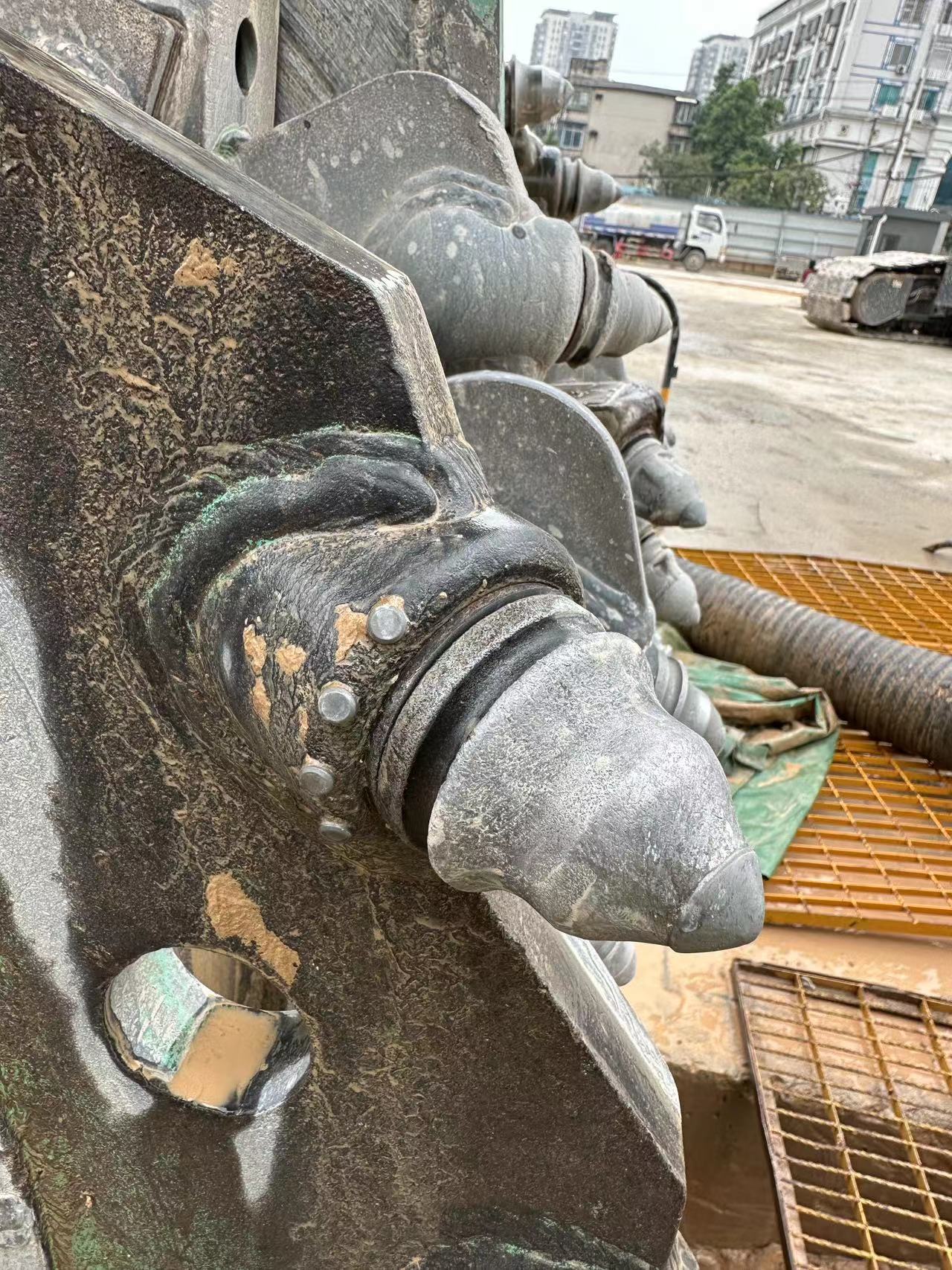
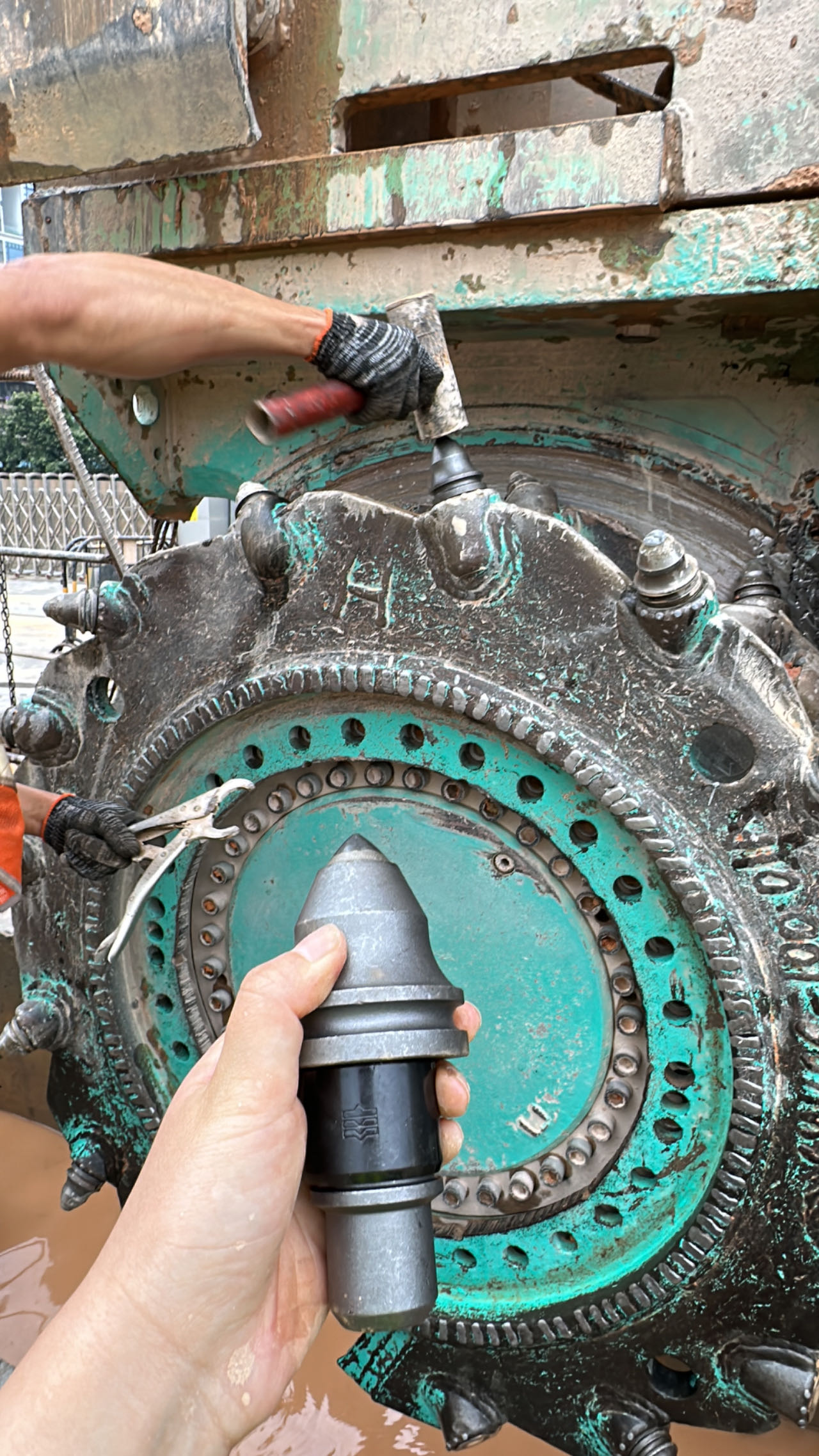
A position name is not a product code. “Middle-position tooth” in this note does not identify the plate-profile JM model. The site photographs show round-shank teeth; the exact replacement must be matched to the installed holder and retaining arrangement. See the separate CWT and JL / JM / JR reference systems.
Six entries that separate cutting from replacement work
The operating sheet linked from the field note covers several slots and dates. The following consecutive entries are under slot A50-1 and the date label 1.19. The sheet does not give a year or a machine model for this group, and these entries are not tied to the photographs above.
| Recorded time | Work recorded | Depth interval |
|---|---|---|
| 06:30–07:00 | Lower cutter and connect pipe | No depth interval entered |
| 07:00–10:30 | Cutting / advance | 27.30 → 27.90 m |
| 10:30–11:40 | Lift cutter and replace teeth | No depth interval entered |
| 11:40–15:00 | Cutting / advance | 27.90 → 28.80 m |
| 15:00–16:20 | Lift cutter, replace teeth and tighten cutterhead fasteners | No depth interval entered |
| 16:20–18:30 | Cutting / advance | 28.80 → 29.15 m |
What this tells an engineer or buyer: the 15:00–16:20 interval includes lifting, tooth replacement and cutterhead fastening. Counting it all as tooth-change time would hide part of the work. Equally, the elapsed cutting entries do not establish uninterrupted net cutting time. This excerpt supports a review of the work sequence, not an hourly production or tooth-life claim.
For your next trial, keep the same slot and ground description beside each depth interval. Give tooth replacement, sleeves or retaining parts, wheel maintenance and waiting their own entries. Then attach each inspection photo to a marked wheel position and the relevant interval.
What to send for a useful replacement review
- One full-wheel view: mark the affected position and keep adjacent teeth visible, so a close-up can be located again.
- Tooth and mounting details: send side views of the tooth, holder and retaining parts, any legible part marks, and the relevant drawing or measured mounting dimensions. A machine model alone does not confirm interchangeability.
- The working interval: add the slot, ground description, start and end depths, and separate cutting, cleaning and replacement entries. State whether the tooth was checked before or after cleaning.
These are suggested records for the next review. The TianGui material does not provide a numbered tooth map or a confirmed model and batch for every photograph.
Source and scope of this field note
Prepared from DRILLNOVA’s original December 2023 TianGui site note, its photographs and the linked operating sheet. The site note records inspection and replacement; the sheet spans multiple slots and dates. The catalogue separately identifies a TianGui CWT-1 application. This article does not assign that model to unmarked photographed teeth or turn the operating sheet into a product performance comparison.