
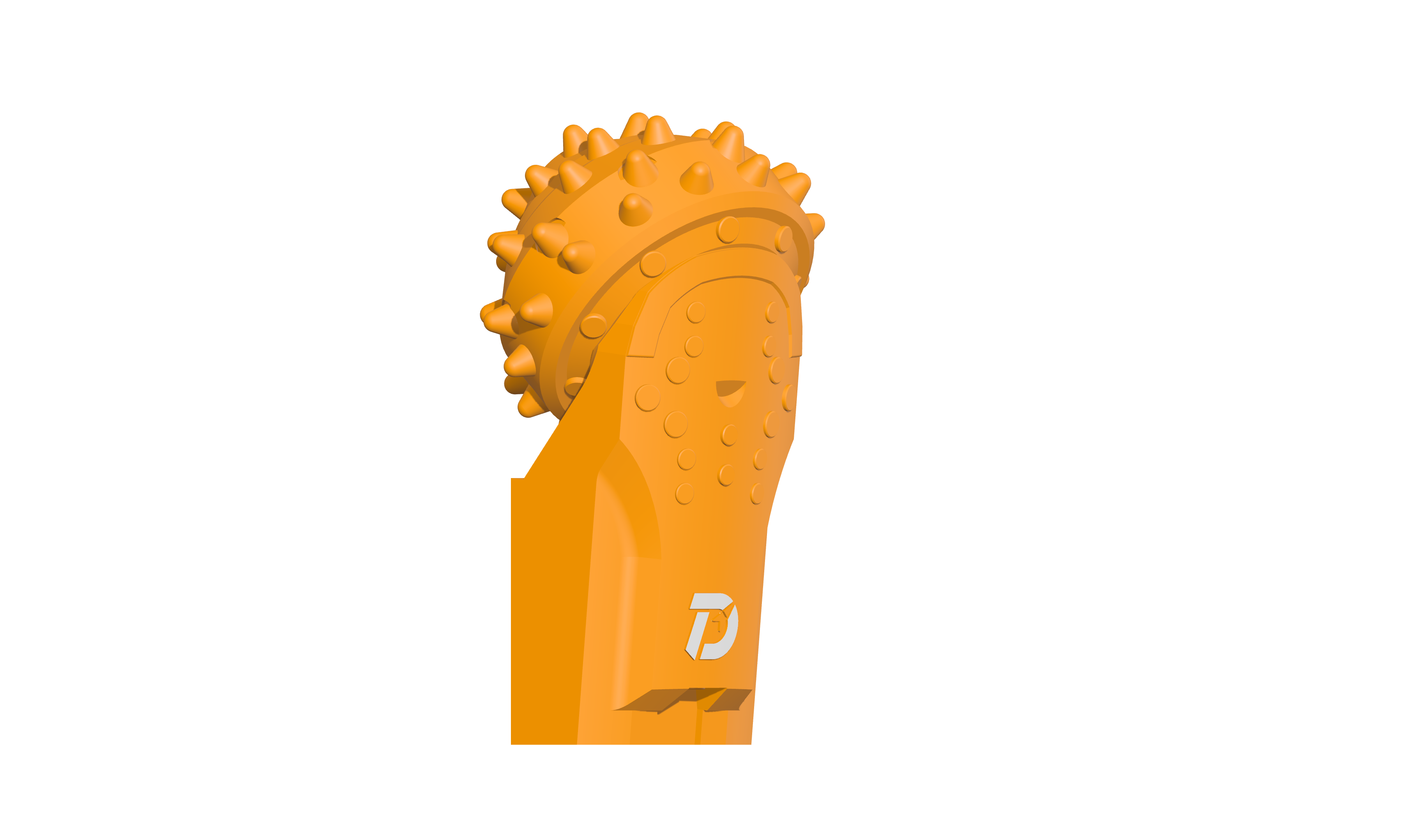
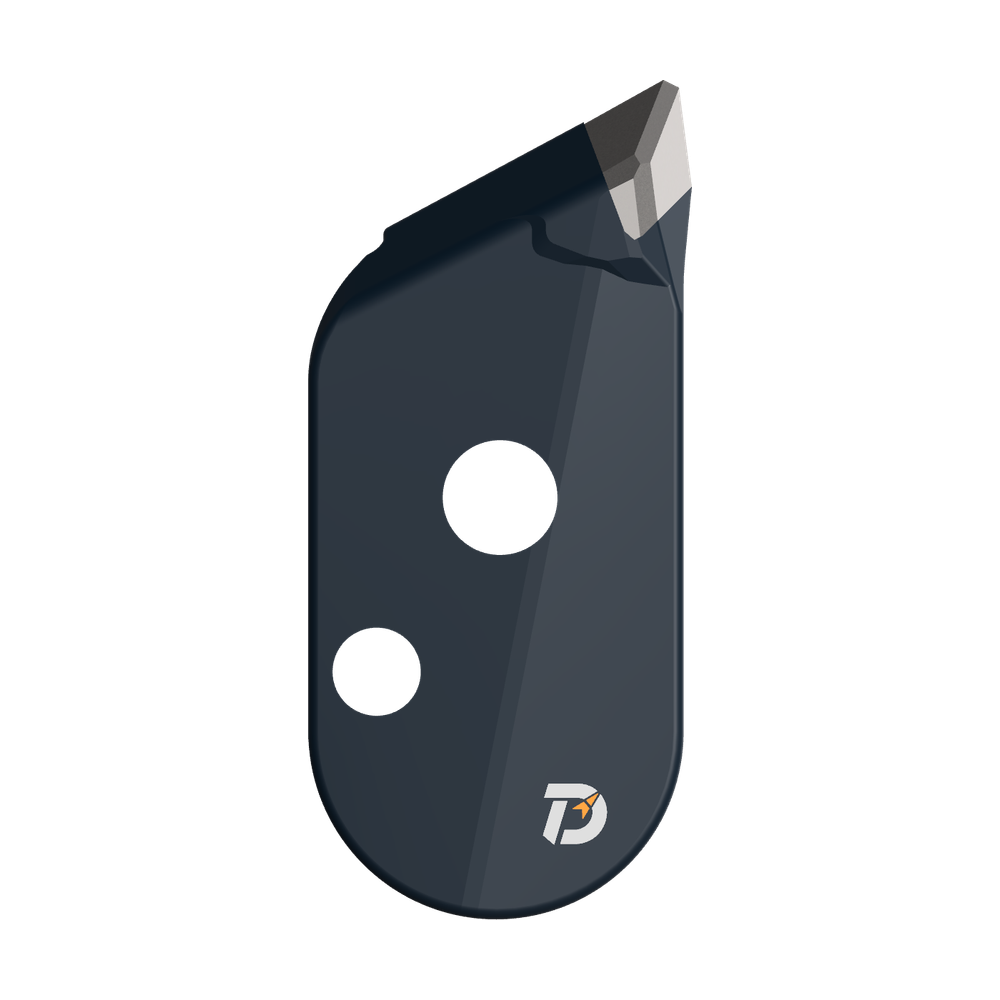
 WS39 casing tooth
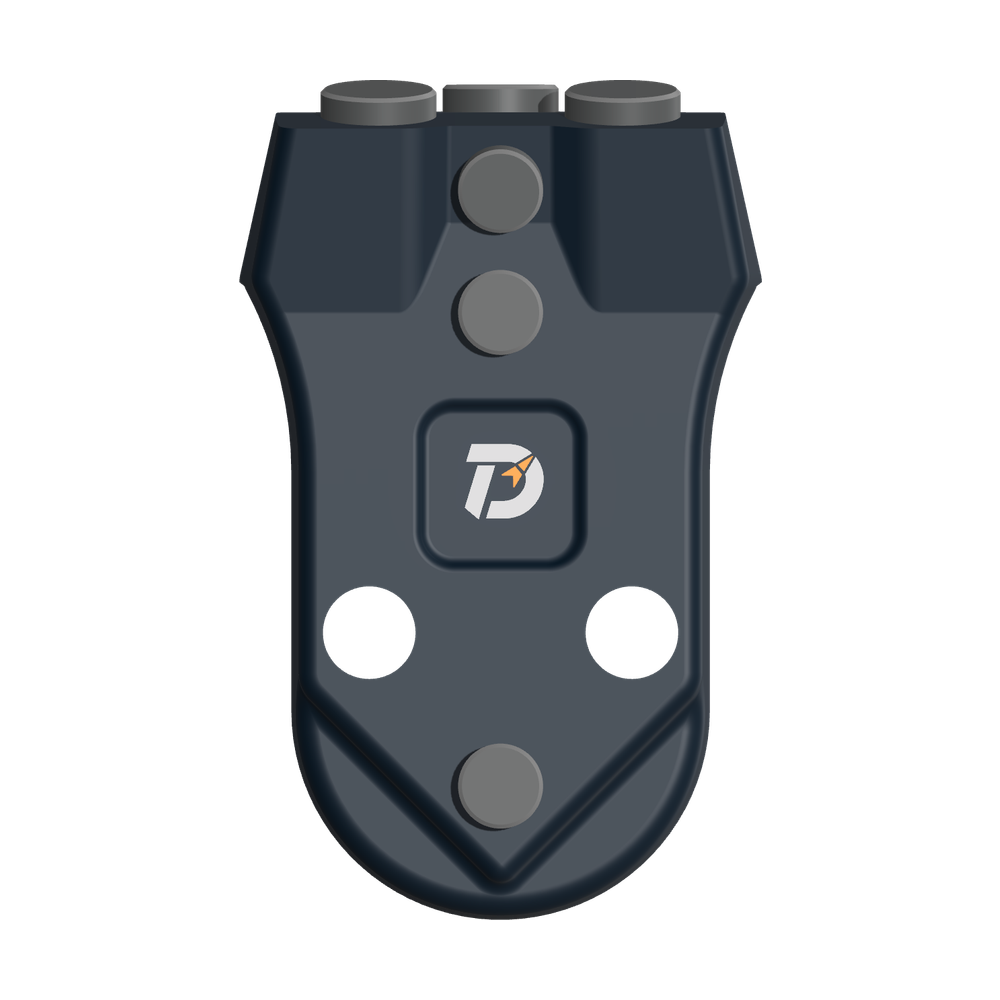
 JM cutter tooth
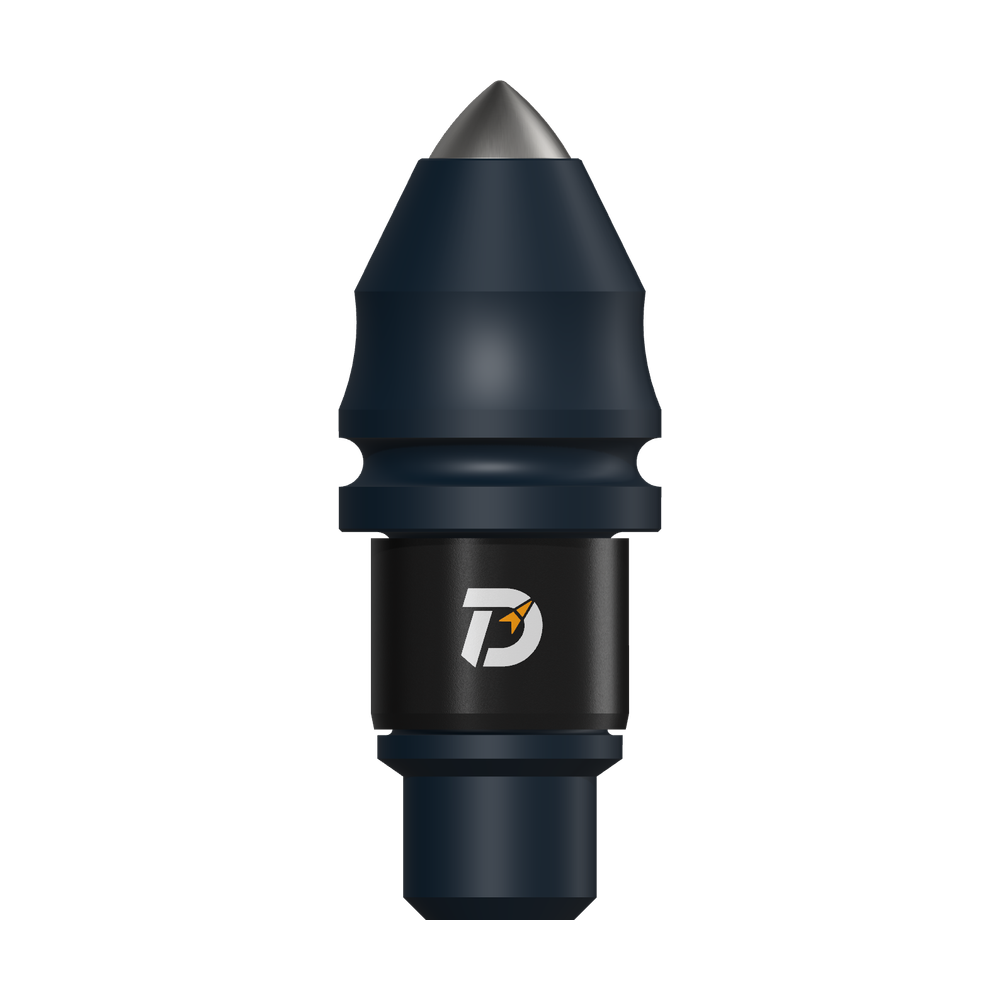 B47K22 bullet tooth
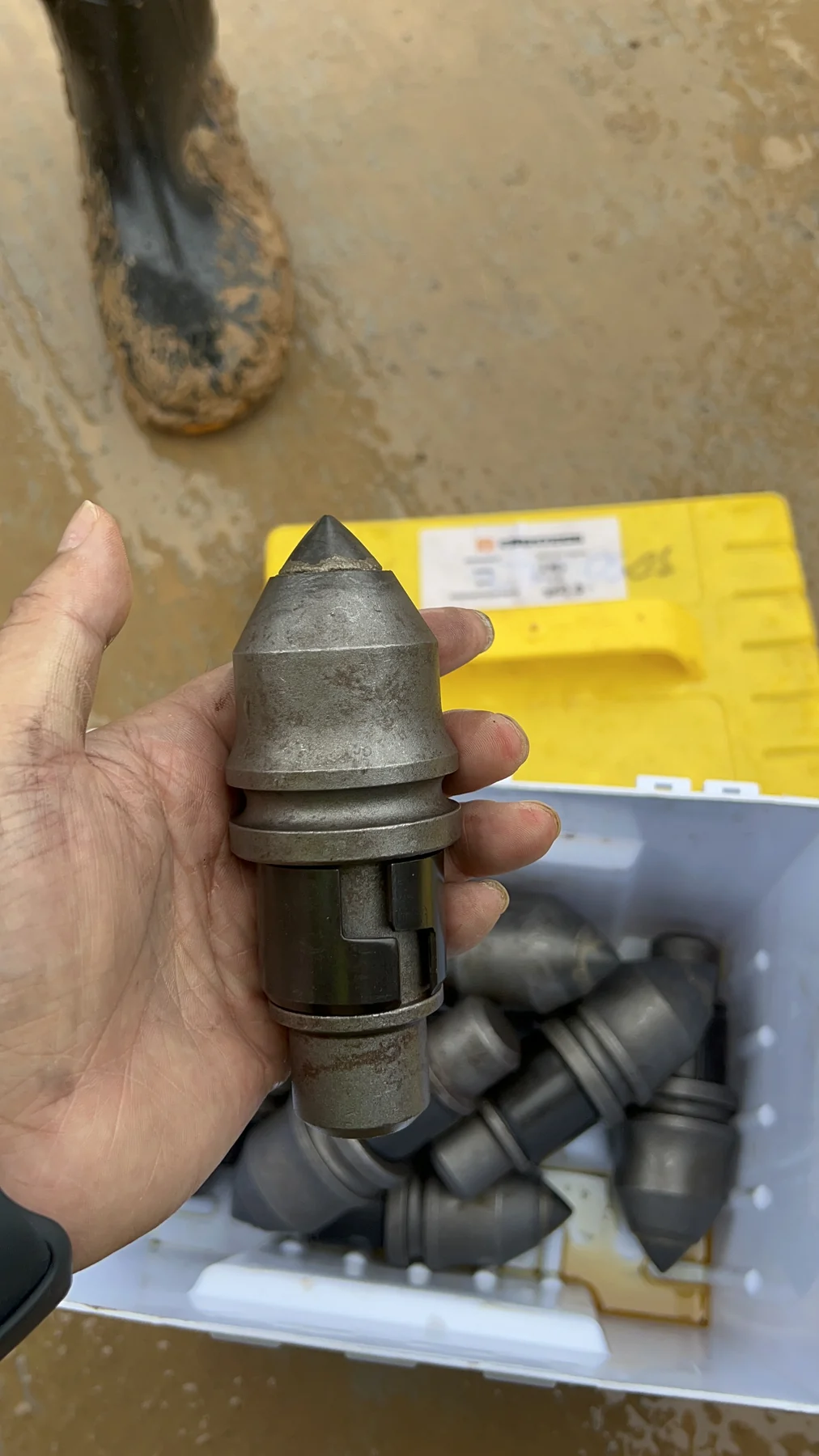
Assess bullet-tooth wear by position and inspection time, including the holder and surrounding cutting arrangement. A worn tooth shows the condition at inspection; it does not, by itself, identify the cause or establish service life.
What was installed at the start?
Record the tooth reference and starting condition before installation. Number the positions and photograph the body, carbide and seating area from repeatable angles.
At each inspection, distinguish a flattened or rounded tip from a broken tip or an empty insert position. Also record uneven body wear, holder-edge damage and retention condition.
Did the cutting set change during the trial?
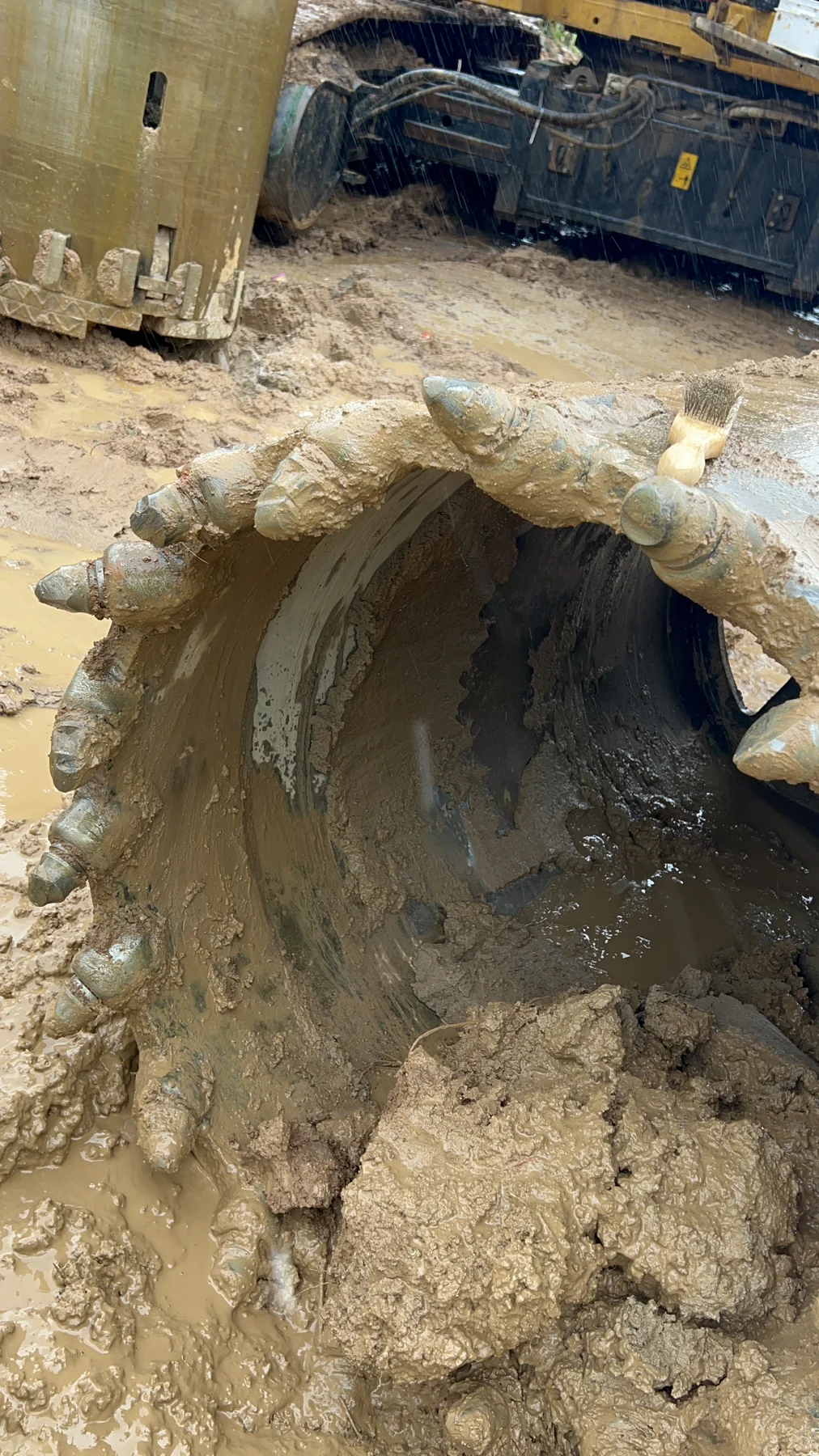
Take a full-ring photo before close-ups and log which numbered teeth were changed. Where tooth types or wear stages are mixed, keep each position’s history separate.
The Qingdao record includes a mixed cutting set on the following day. That arrangement cannot support a controlled like-for-like life comparison.
What should change at the next inspection?
| Observed feature | Inspect immediately beside it | Practical next action |
|---|---|---|
| Tip rounded or flattened | Remaining carbide, steel-body exposure and the holder’s leading edge. | Apply the agreed wear/replacement criterion before the holder becomes the leading contact. Photograph the retained or replaced condition at the same position. |
| One side of the body wears faster | Tooth seating and intended rotation, packed spoil, holder angle and the matching teeth in that row. | Clean and examine the tooth-holder interface and local obstructions using the tool’s maintenance procedure. Compare like positions; do not correct asymmetry only by replacing one tooth type. |
| Carbide is broken or missing | Remaining carbide, recovered fragments and the surrounding body support. | Keep the fragment with its position and interval. Use the prescribed hole-cleaning sequence before continuing so loose hard fragments are not repeatedly recut. |
| Holder edge is polished, chipped or wearing | Tooth projection, body loss, seating and adjacent cutting paths. | Inspect the holder before inserting another tooth. Restore or replace a damaged holder to the selected repair/fit requirements. |
Keep the comparison usable: record the tooth reference and replacement time for each position. A fresh tooth beside an old tooth starts with different exposure; a mixed set needs separate position histories before comparing wear.