

 WS39 casing tooth
 JM cutter tooth
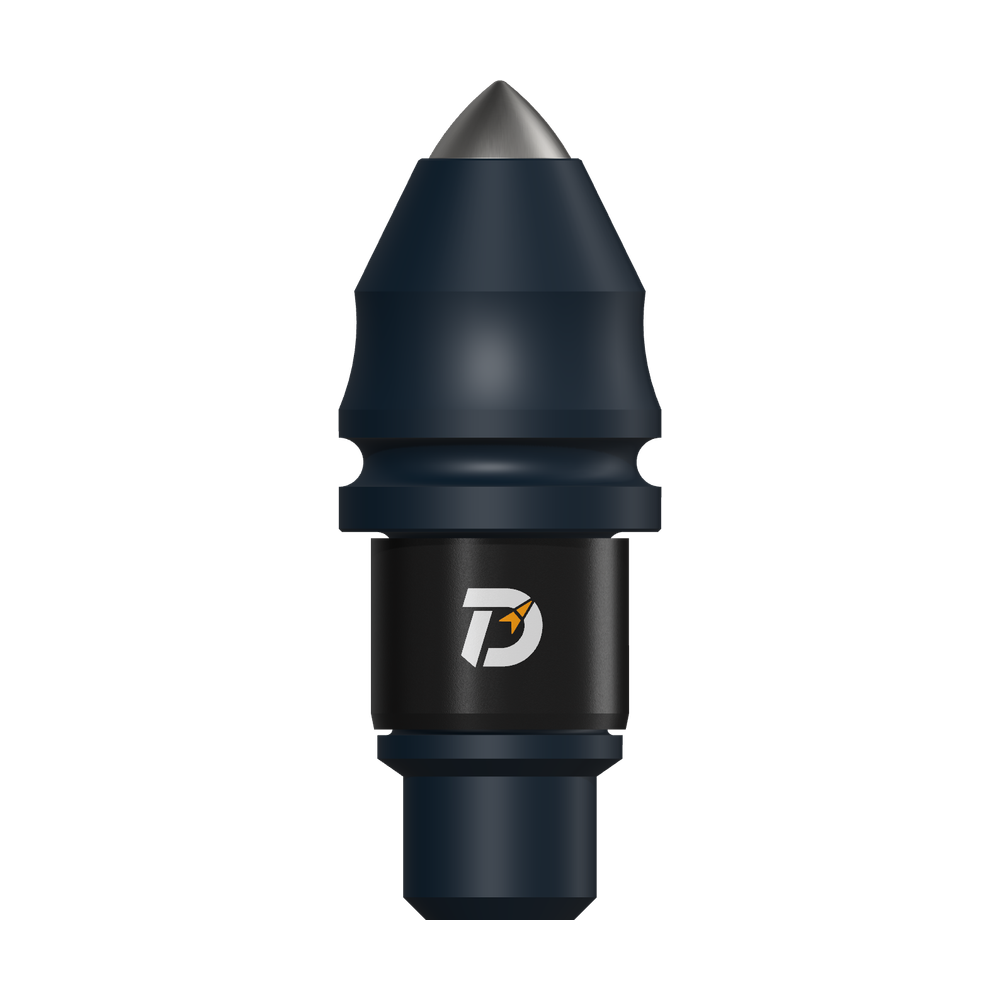 B47K22 bullet tooth
A useful material file links the steel grade to the cone or leg, then to treatment and finished-part records. The component identity comes before the test numbers.
01
Keep cone and leg material records separate
In this MH-3 manufacturing example, the cone record identifies 15MnNi4MoA and the leg record identifies 15CrNiMoA. Preserve the full grade suffix and the specification reference.
These are records for different raw-material samples. One is not a substitute for the other.
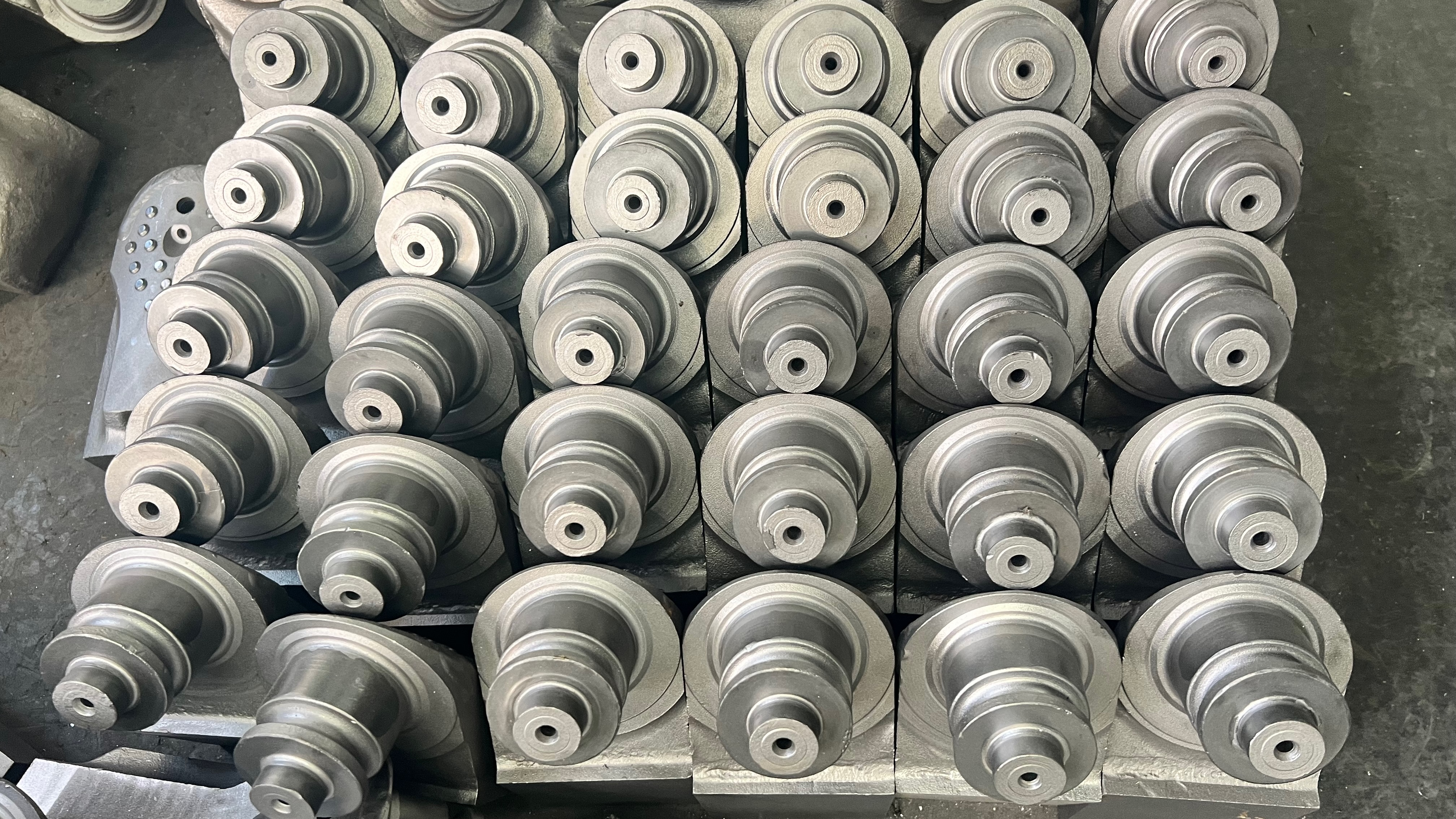
The cone and leg need different record links
| Component | Recorded material | Next record to connect |
|---|---|---|
| Cone | 15MnNi4Mo; attached raw-material report uses 15MnNi4MoA | Cone batch → heat-treatment condition → insert pockets and finished bearing bore. |
| Leg | 15CrNiMo; attached raw-material report uses 15CrNiMoA | Leg batch → journal hardfacing and treatment → finished journal dimensions. |
Keep the suffix printed on the selected material report. A report for the leg does not identify the cone, even when the two parts arrive in one assembled roller bit. These grades belong to this MH-3 example. Match each supplied component to the selected drawing and batch documents.
02
Identify the condition in which a part was tested
Raw-steel properties, heat-treatment checks and finished-journal inspection answer different questions. Keep the sample identity, method and treatment batch with each result.
A hardness value for supplied steel is not automatically the acceptance value for a finished bearing surface.
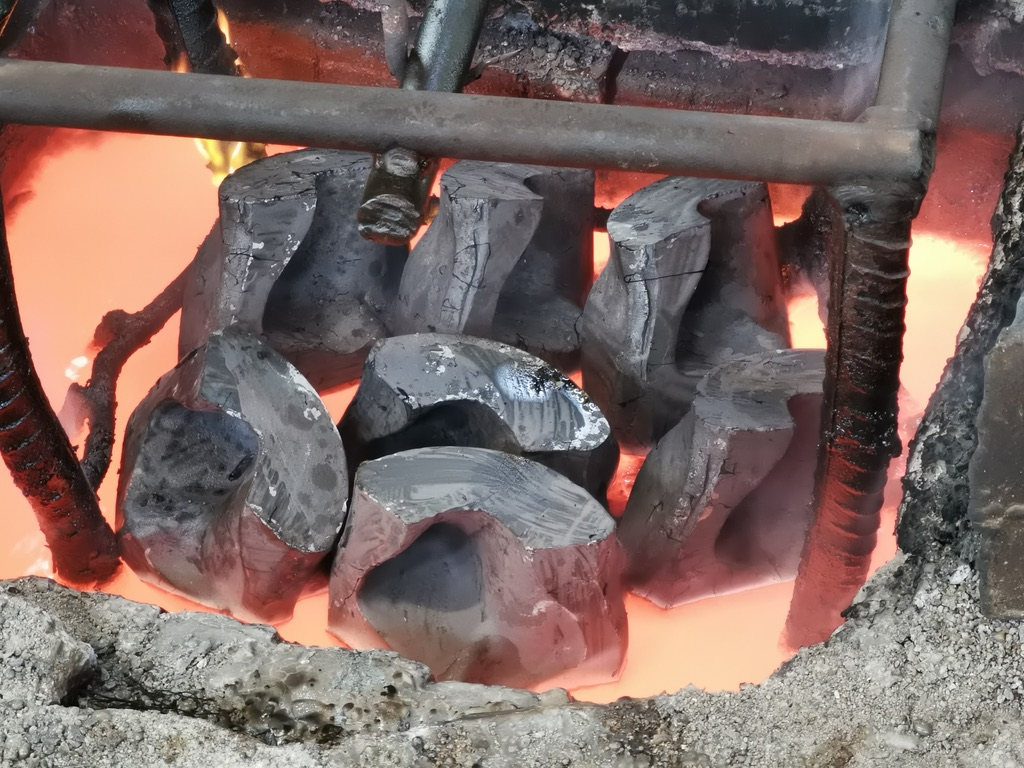
A hardness value needs a location and a process stage
| Field | Why it changes the interpretation |
|---|---|
| Material chemistry and heat identity | Identifies the steel; it does not demonstrate the finished bearing-surface condition. |
| Heat-treatment batch and sequence | Connects the component with the treatment actually applied. |
| Hardness scale, load and test location | A surface result and a core result describe different locations; HRC and HV are not interchangeable labels. |
| Case-depth requirement and method, where specified | Checks how the hardened layer develops below the surface, rather than repeating only a surface reading. |
| Machining stage of the measurement | State whether the result is before or after final machining, and use the inspection location specified for that stage. |
Carburising raises carbon at the surface so that subsequent heat treatment produces a wear-resistant layer. That is why chemistry, hardness location and treatment condition belong together. A furnace temperature alone is not a finished-part acceptance result. Technical background: TWI on carburising.
03
Follow the identity through to the finished assembly
Connect material batch → cone or leg → treatment batch → finished assembly. Ask for this record chain in the order specification and check it at receipt.
A missing link can leave a valid steel report unconnected to the parts delivered.