
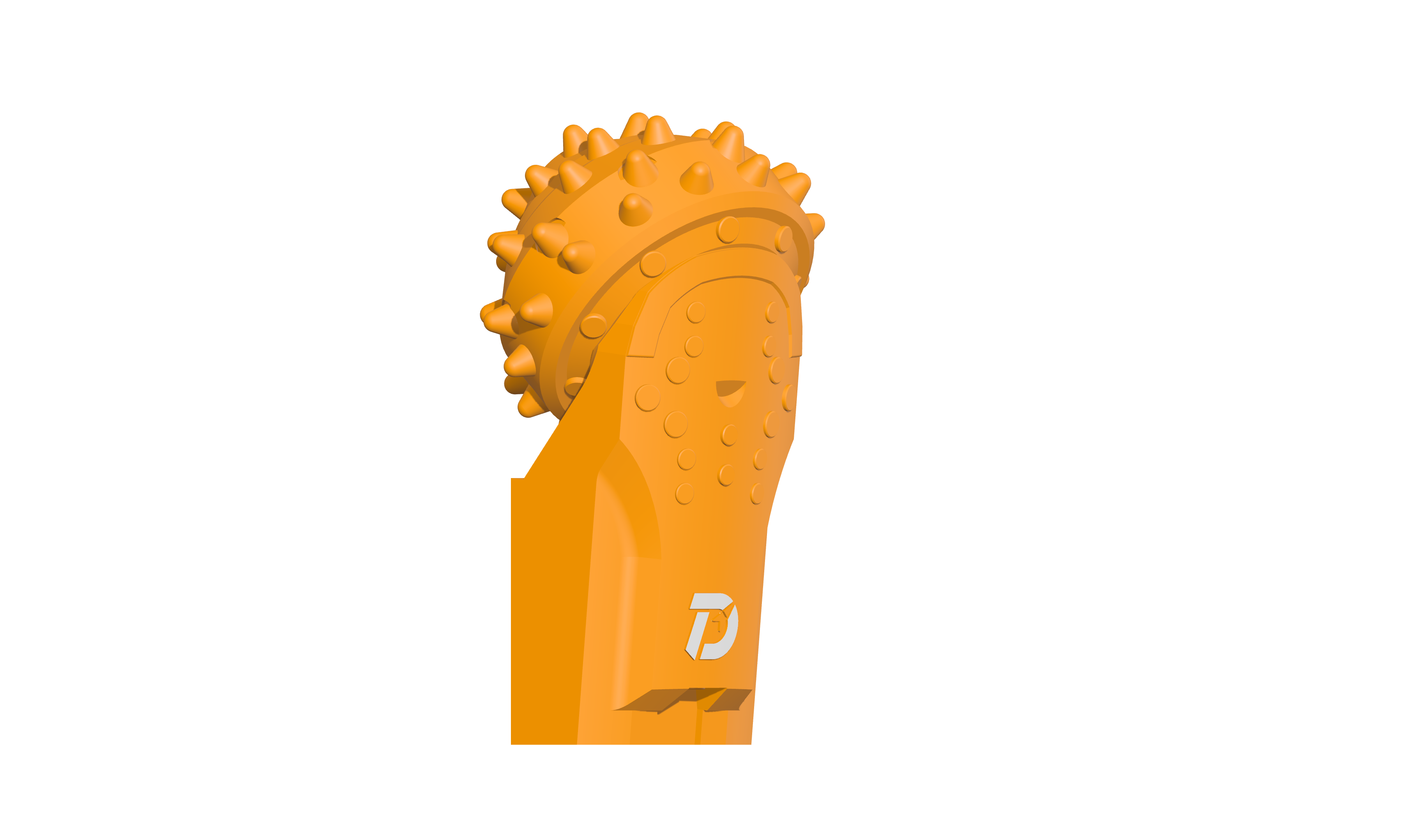
 WS39 casing tooth
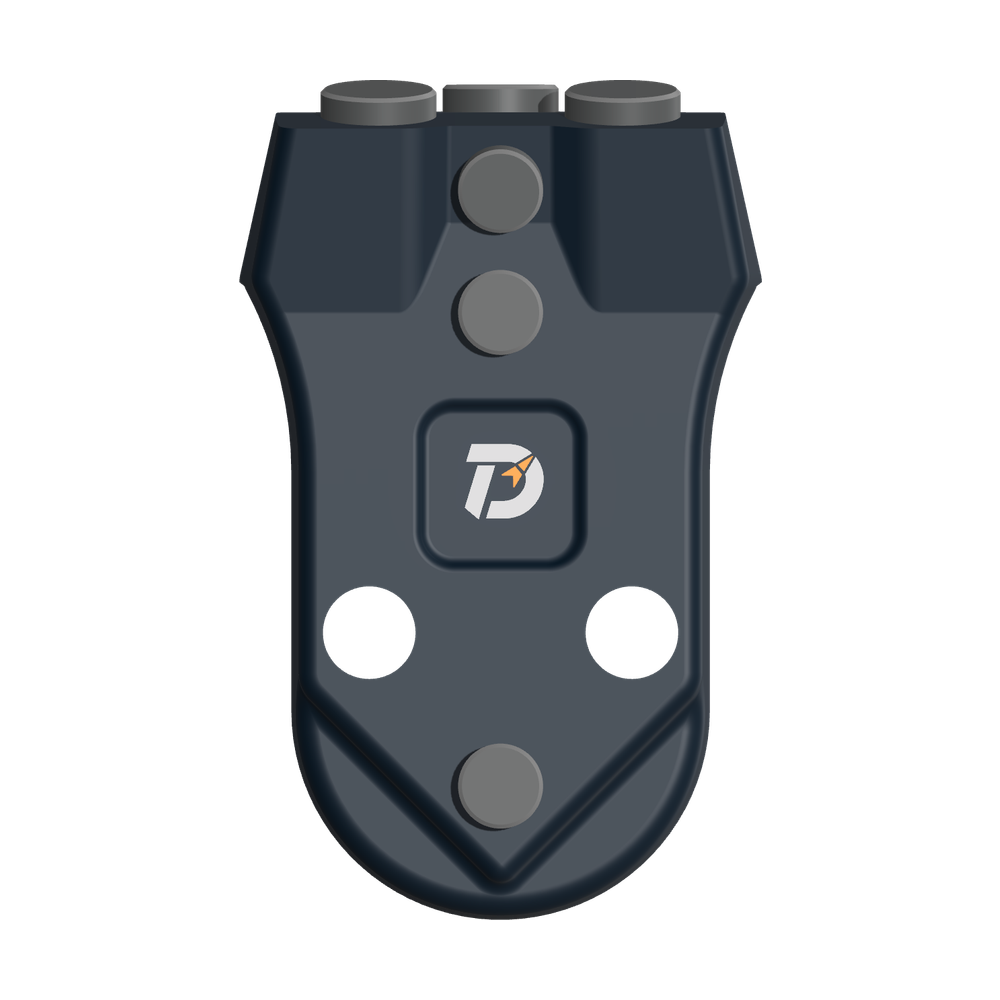
 JM cutter tooth
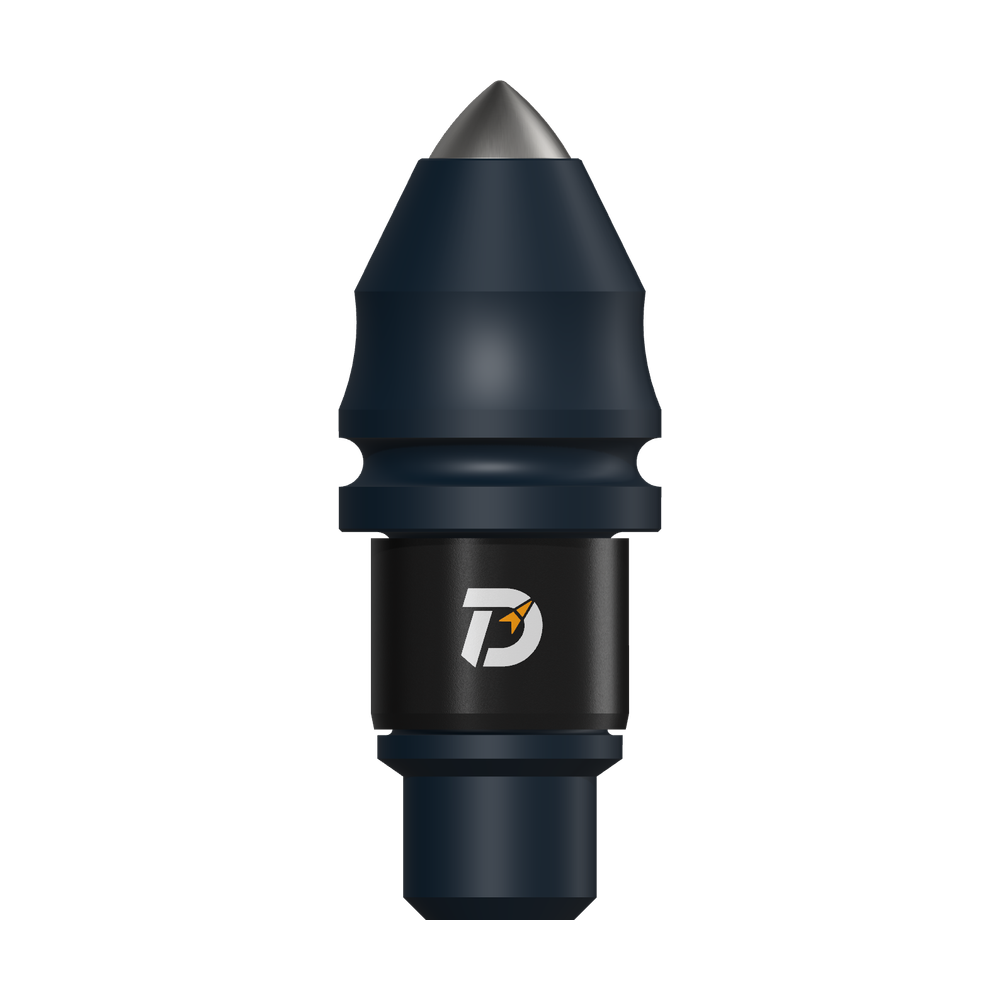 B47K22 bullet tooth
DRILLNOVA / ROTARY DRILLING TOOLS
Drilling buckets
The cutting plate opens the ground; the bucket retains and removes material. Review cutting teeth, opening geometry and the clearing cycle together with your drilling method.
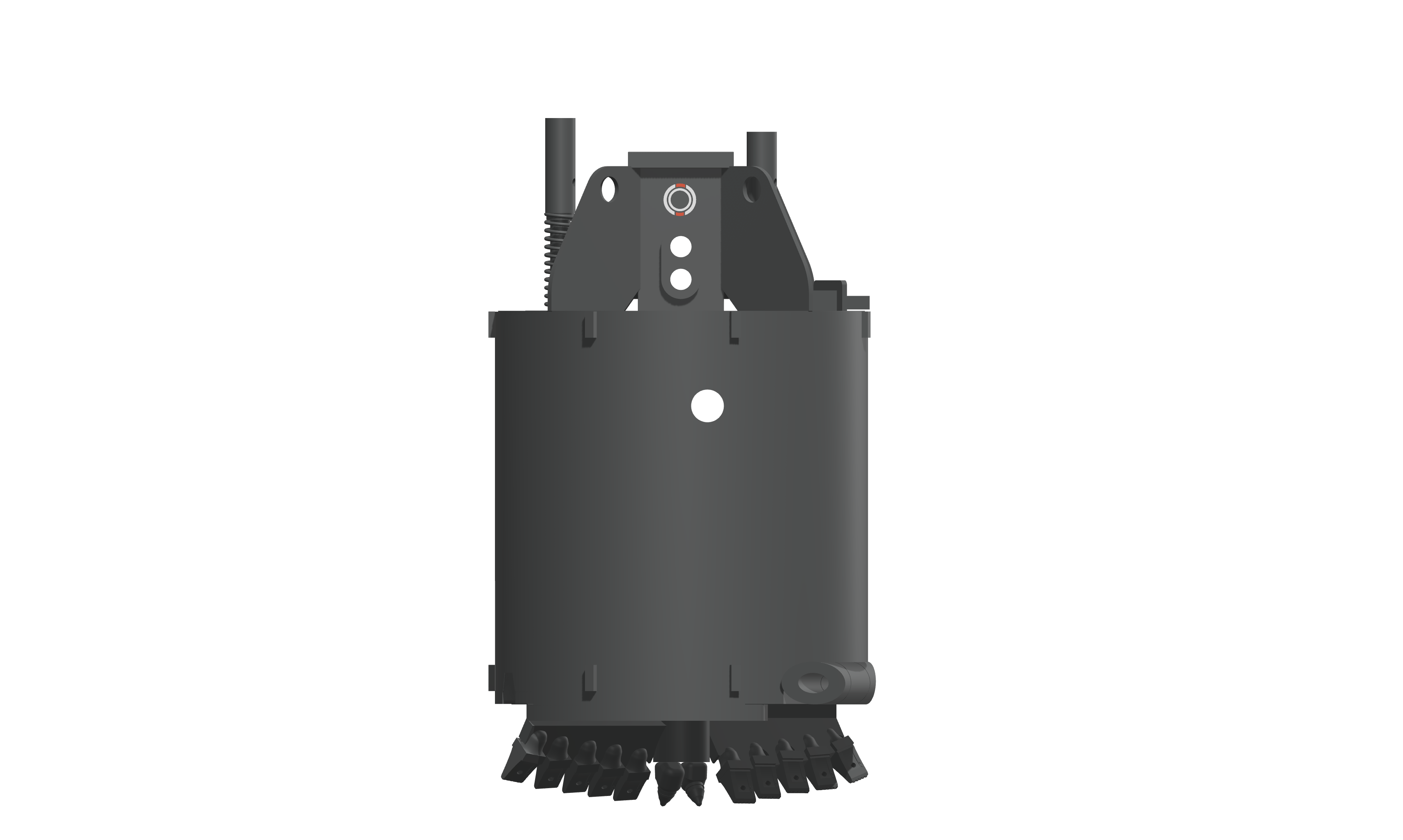
Look at the working end and the connection.
Match cutting, collection and emptying
A drilling bucket combines a cutting arrangement with a body that collects material. Its selection therefore involves more than the teeth at the bottom. The lower opening, body geometry, release arrangement and connection need to work together through the intended drilling and emptying sequence.
Replacing teeth retains most of the bucket. A cutting-assembly rebuild also covers the holders and supporting steelwork. A complete bucket includes the body, bottom, operating mechanism and drive interface.
| Configuration point | What changes | Why it matters |
|---|---|---|
| Cutting-tooth system | The selected bullet-tooth or flat-tooth arrangement includes its own holders and installation positions. | Changing the tooth family also requires a review of its support and working projection. |
| Body and bottom | Diameter, height, lower opening and bottom arrangement define the material-handling assembly. | A cutting-edge match alone does not define how material enters, stays in and leaves the bucket. |
| Opening and connection | The release mechanism and drive connection belong to the selected bucket design. | Their fit and movement need checking as part of the complete tool. |
Review the assembly before judging the teeth
For fabrication or repair, the inspection plan should connect the cutting layout to the bucket drawing. Identify each holder position and its working projection, check the supporting edge and weld areas, and retain the drawing revision with the measurements. Record wear or deformation in retained parts before installing the new cutting set.
Include a functional check of the specified bottom and opening mechanism. Record whether it opens, closes and seats as intended, together with the condition of the relevant contact surfaces. This separates a cutting-part enquiry from a wider body or mechanism repair.
Use the bucket where the working sequence needs it
At the Guangdong B47K22 site review, packed cuttings prompted a clearing step. After reviewing the recovered ground, the crew changed from the core-barrel sequence to direct work with a 1,200 mm bucket. The operator reported faster progress after that change; no controlled productivity comparison was recorded.
See the ground review and bucket-work decision
The product illustration identifies a configuration. The field report documents a working-method decision, not a performance test of this illustrated bucket.
PRODUCT & PROJECT ENQUIRY
Review a bucket configuration or repair scope
Send the required bucket size, drive connection, ground conditions and photographs of the cutting arrangement and opening mechanism. Identify whether you need a complete bucket, a cutting-assembly rebuild or replacement teeth.