
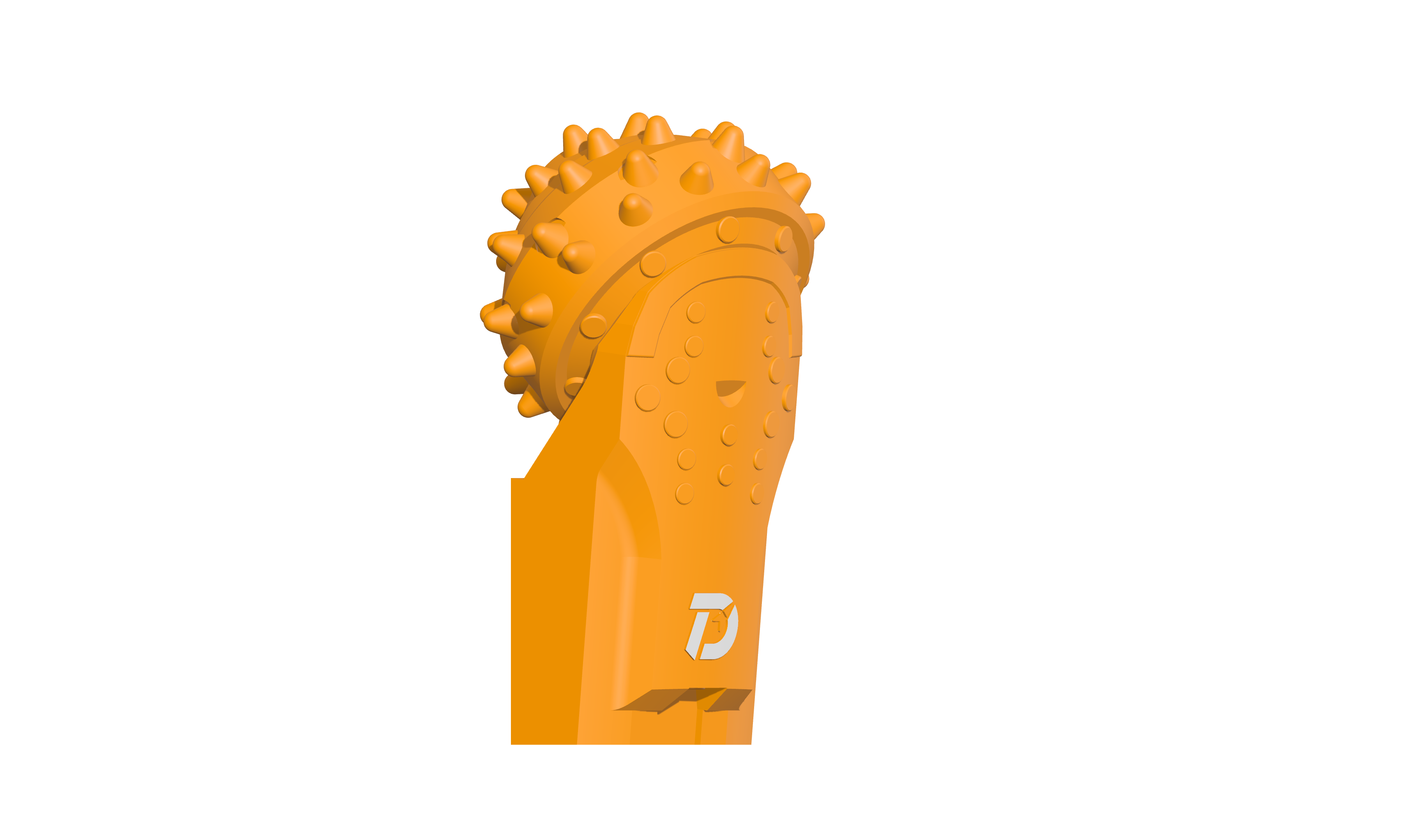
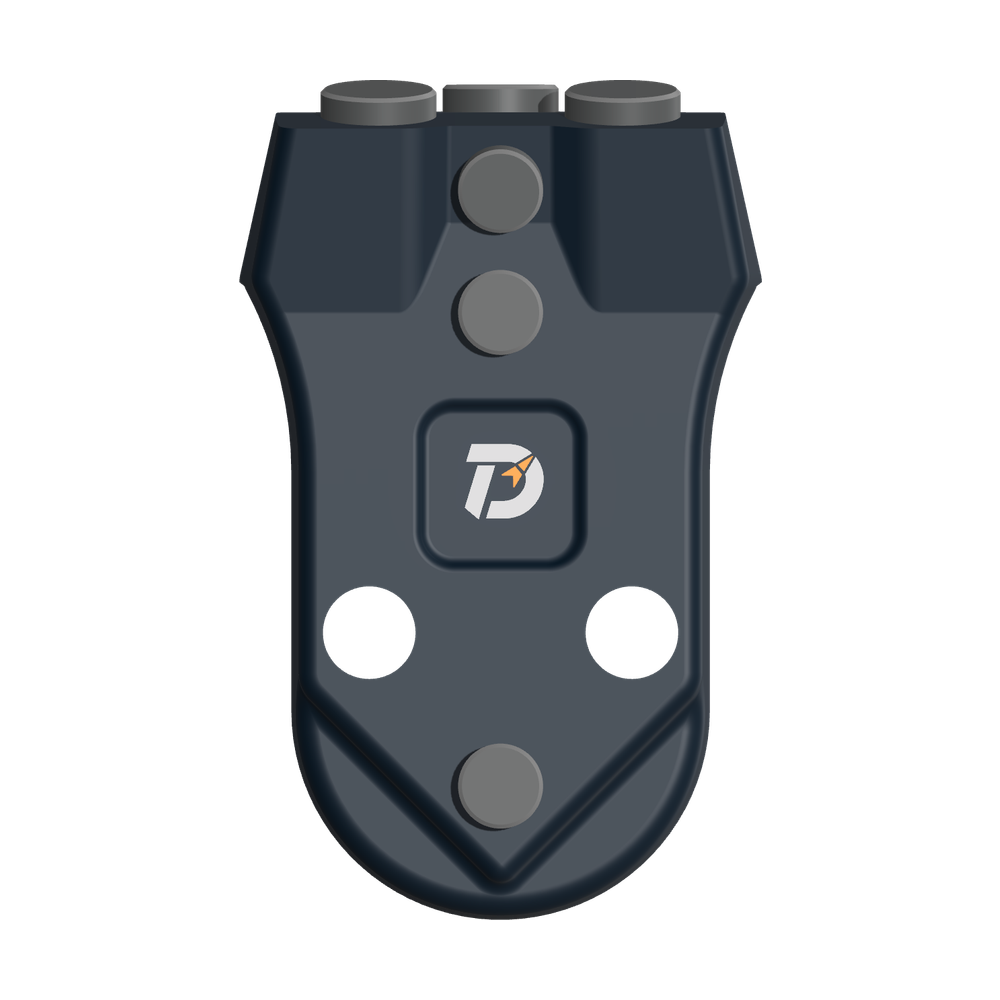
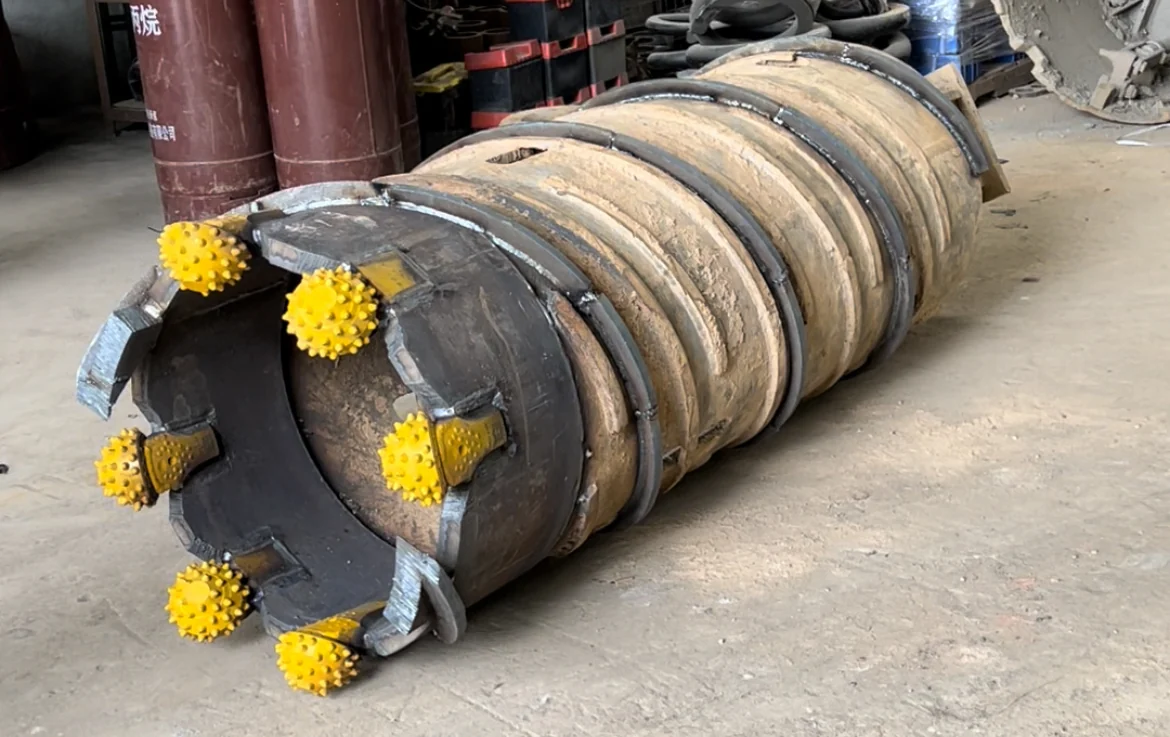
 WS39 casing tooth
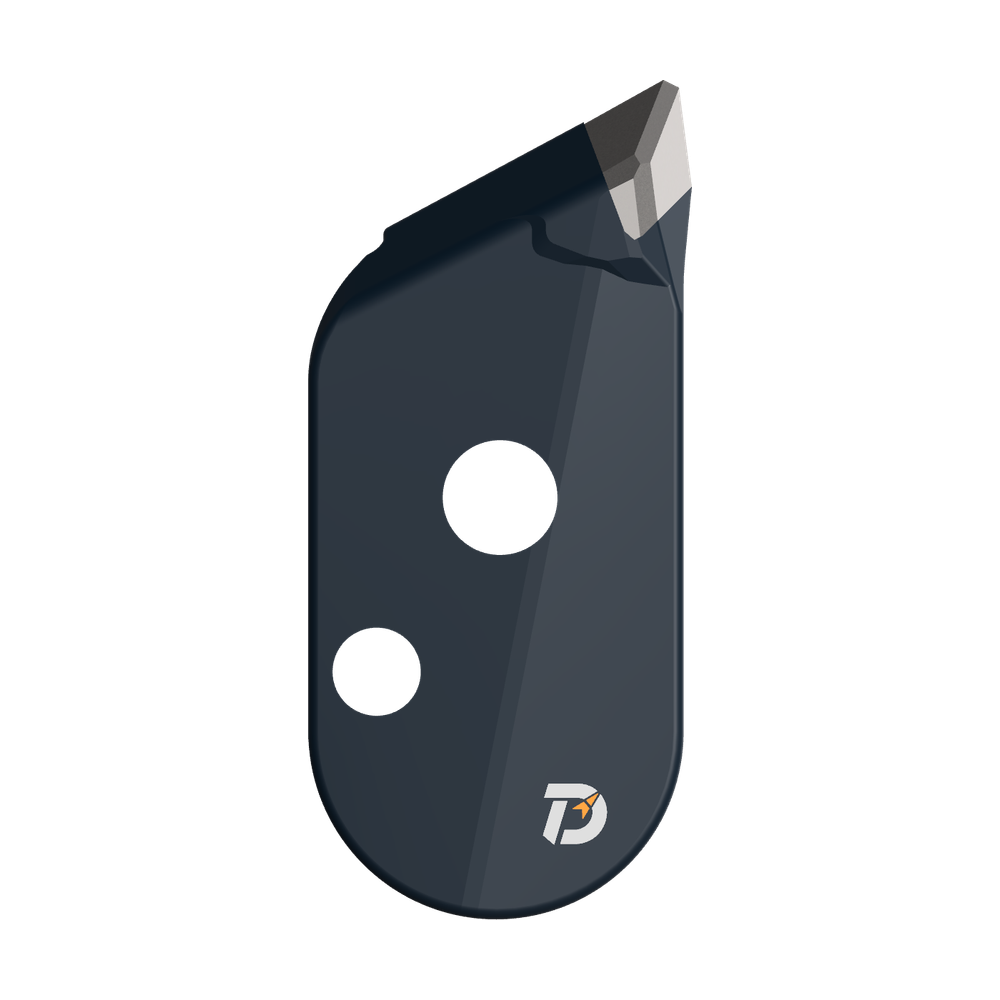 JM cutter tooth
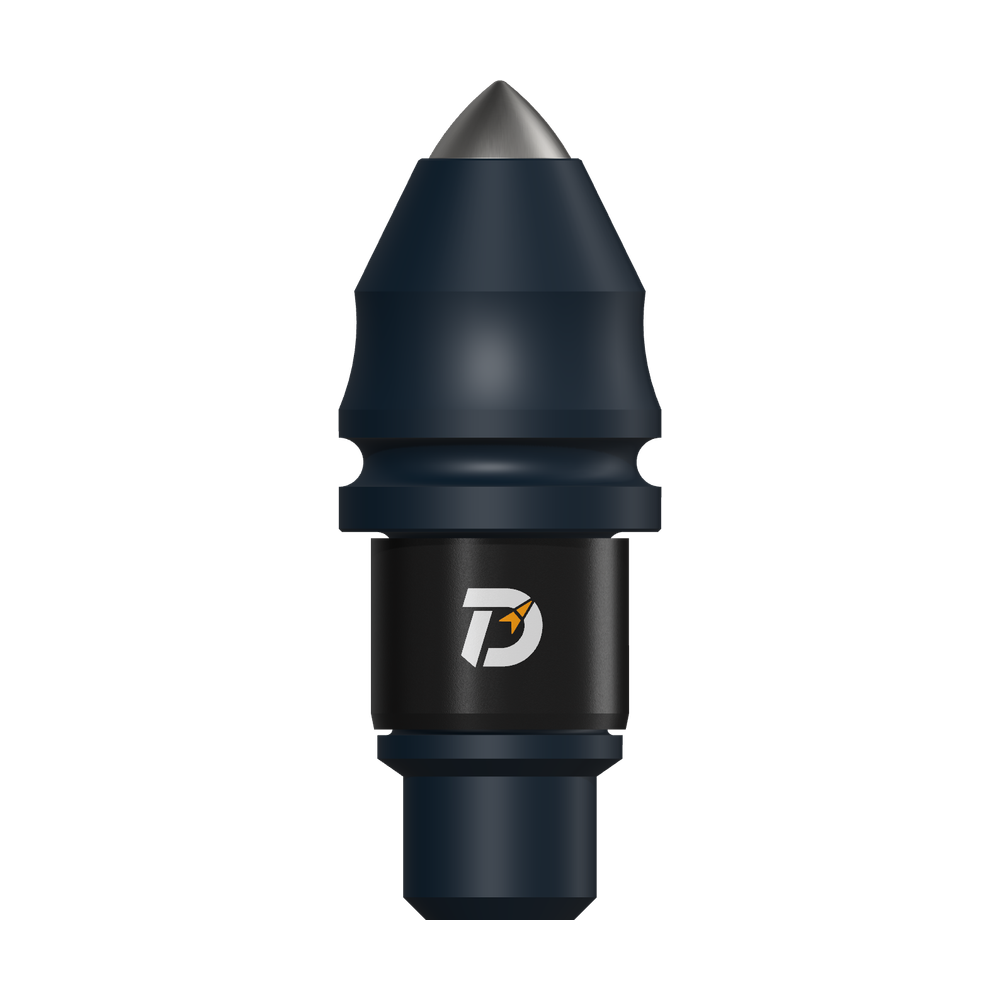 B47K22 bullet tooth
Higher crowd pressure or RPM does not always increase penetration. Work within the rig’s limits and assess whether the tool cuts steadily and clears cuttings. Choose settings from that response, not the display numbers alone.
01
Know what the pressure display represents
Weight on bit is the load reaching the cutting assembly. A hydraulic-pressure reading is not automatically that load, and engine speed is not rotary-head speed. Identify the displayed channel, its units and the rig manufacturer’s relationship between that reading and crowd force.
The load assessment must also account for the actual Kelly bar and tool, the way they are supported, immersion and buoyancy, and the rig’s crowd system. Do not transfer a pressure-to-load conversion from a different rig. Dividing an assumed total load by the number of bits also does not prove equal loading, especially when only part of the ring is engaging an inclined rock surface.
A heavier barrel or different Kelly configuration can change the cutting load even when the displayed pressure stays the same.
02
Establish stable contact before normal drilling
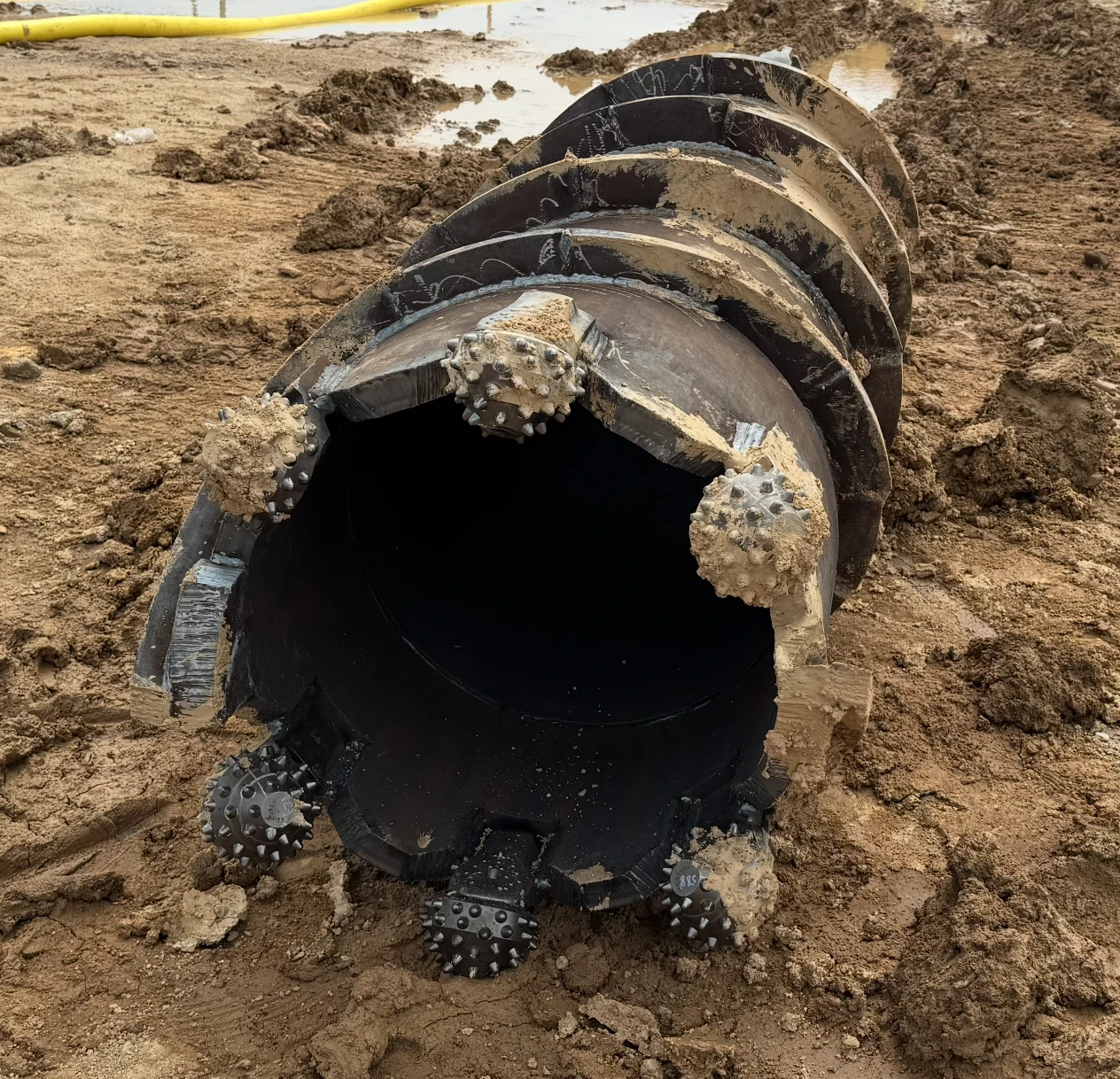
Plan entry for the expected rock surface, boulders and fractured zones. Lower the barrel carefully near the bottom and establish contact gradually. Avoid striking the bottom or immediately applying the normal drilling load to an uneven surface.
Observe the rotary head, load response and vibration while the assembly establishes contact. Only move toward the site-agreed drilling settings when engagement becomes stable. An abrupt change at a layer boundary calls for reassessment, not an automatic increase in crowd.
Unexpected jumping, a sudden resistance increase or loss of steady engagement is a reason to reduce the demand and investigate under the rig’s operating procedure. Persistent symptoms require a lift and inspection before the trial continues.
03
Look for penetration per revolution
A roller bit needs loading and contact time to indent and break the rock. Increasing rotation gives more revolutions per minute, but penetration gained on each revolution can fall. Extra rotation may then produce more rubbing and repeated crushing without useful progress.
For a steady cutting interval, average advance per revolution = ROP ÷ (60 × RPM), where ROP is measured in metres per hour and RPM is the rotary-head speed. The result is metres per revolution. Use this only when depth change, cutting time and RPM refer to the same interval; interrupted drilling or changing RPM needs a more careful calculation.
The value is useful as a trend, not a universal acceptance limit. If RPM rises while progress scarcely changes and vibration or wear increases, return to the last stable condition and examine loading, engagement and clearance before pushing further.
04
Make the setting trial interpretable
| Step | Action | Keep alongside the result |
|---|---|---|
| Establish a baseline | Use a stable interval within the agreed operating envelope. | Depth, formation, tool condition and starting settings. |
| Adjust one variable | Make a controlled change to crowd or rotary-head speed. | The actual reading and any change in vibration or resistance. |
| Inspect and compare | Check the tool and cuttings before deciding the change helped. | Cutting time separately from clearing and core recovery. |
In the June 2025 Jieyang trial, crowd-related readings and RPM changed together. The observation therefore cannot isolate an RPM benefit. Retain a comparable baseline before attributing a result to one setting.
05
Include clearing and inspection in the sequence
Agree the lifting, clearing and core-recovery method before starting. The appropriate routine depends on bore stability, fluid conditions, depth and the tools involved. A rapid off-bottom rotation or a fixed lift distance from another site is not a routine to copy into every bore.
At inspection, check cone rotation, wear distribution, missing or broken inserts, looseness and packed material around the cutting assembly. A seized cone, suspected loose metal, an abnormal retention condition or continuing unstable engagement should stop the drilling trial until the finding is assessed and the return-to-service decision is made.
Accept an operating change only when its useful progress is accompanied by stable behaviour and acceptable tool condition. A short, faster interval alone does not establish longer service life or better full-cycle output.