
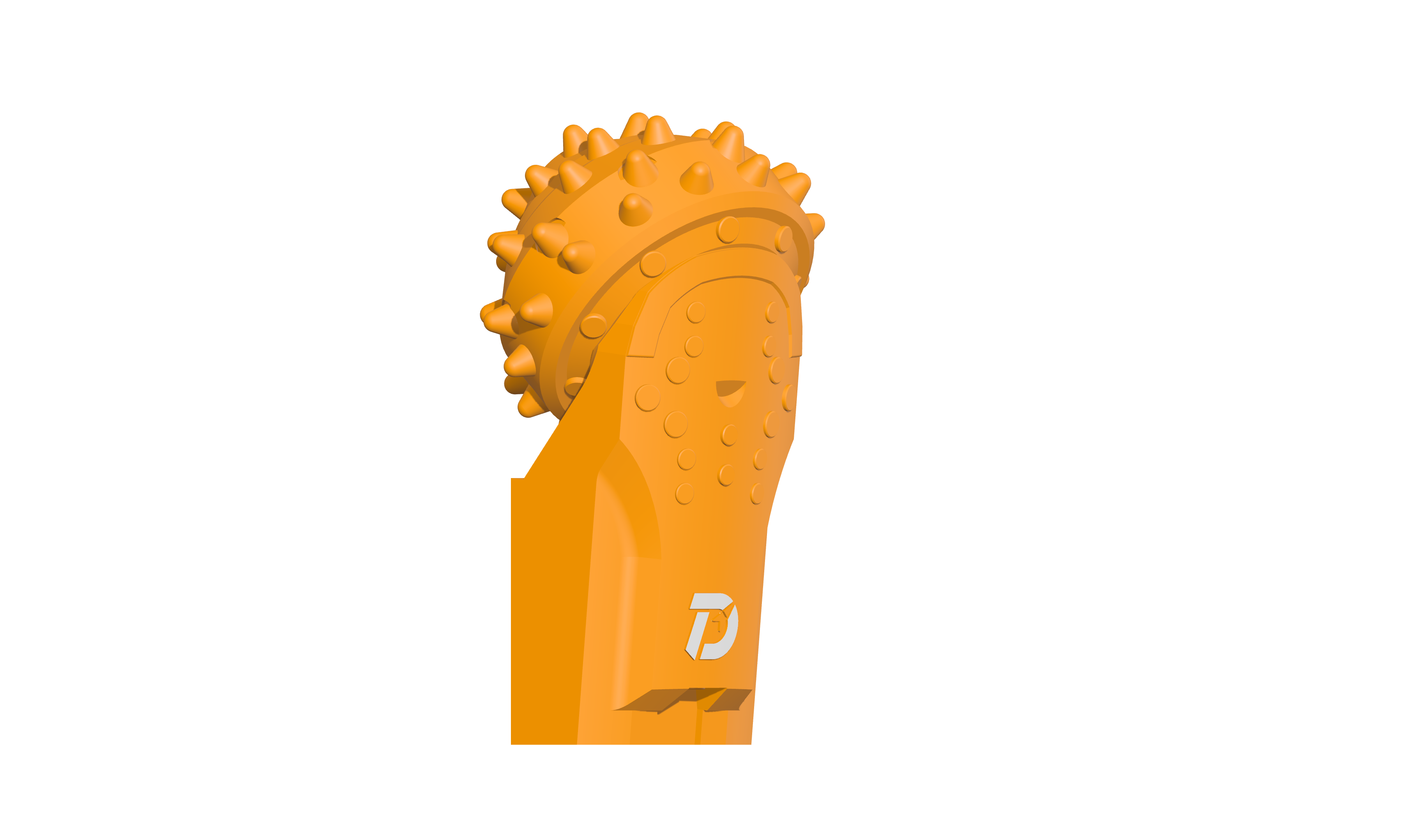
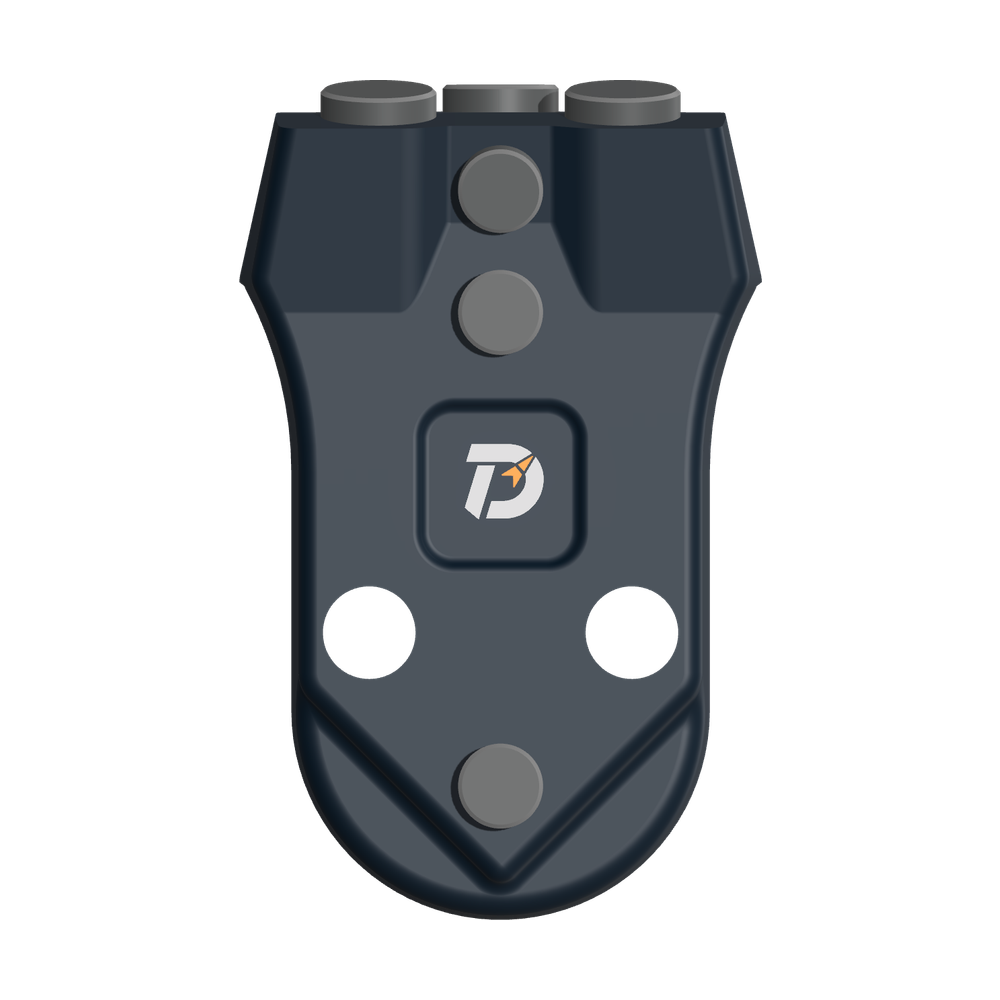
 WS39 casing tooth
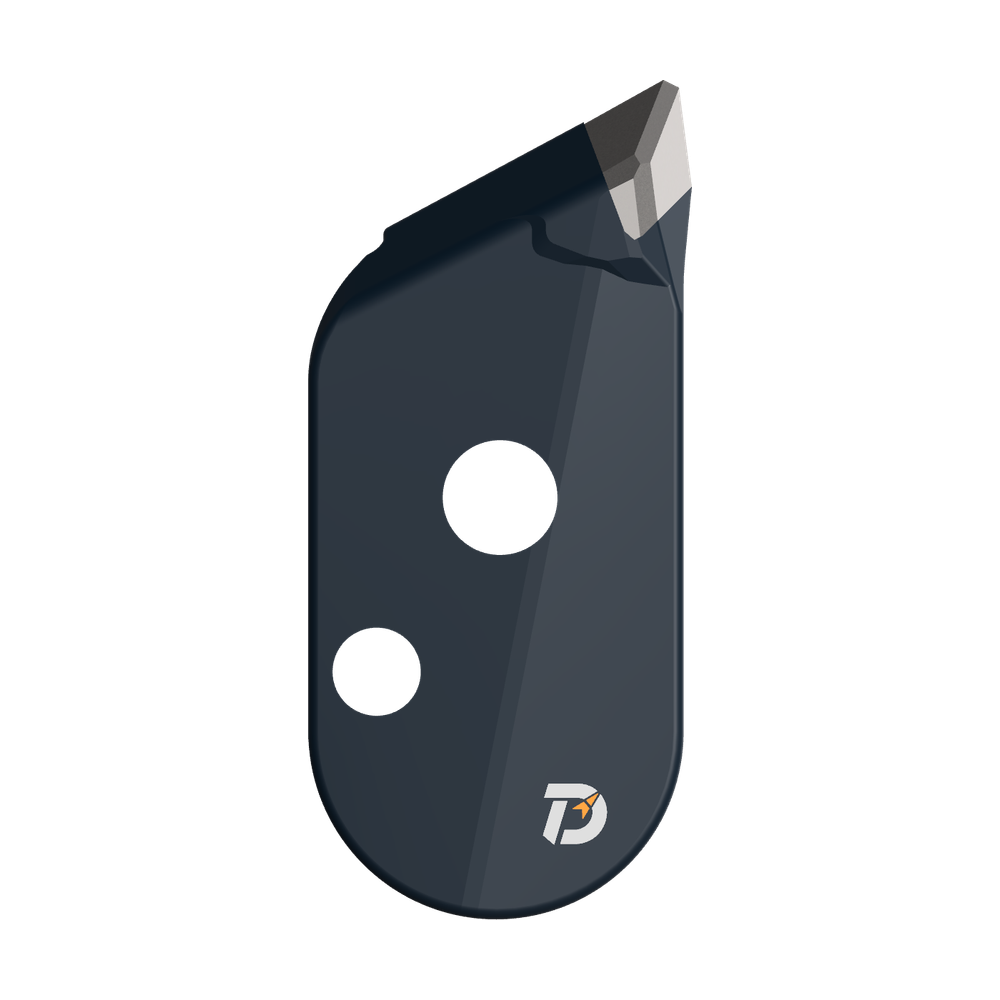 JM cutter tooth
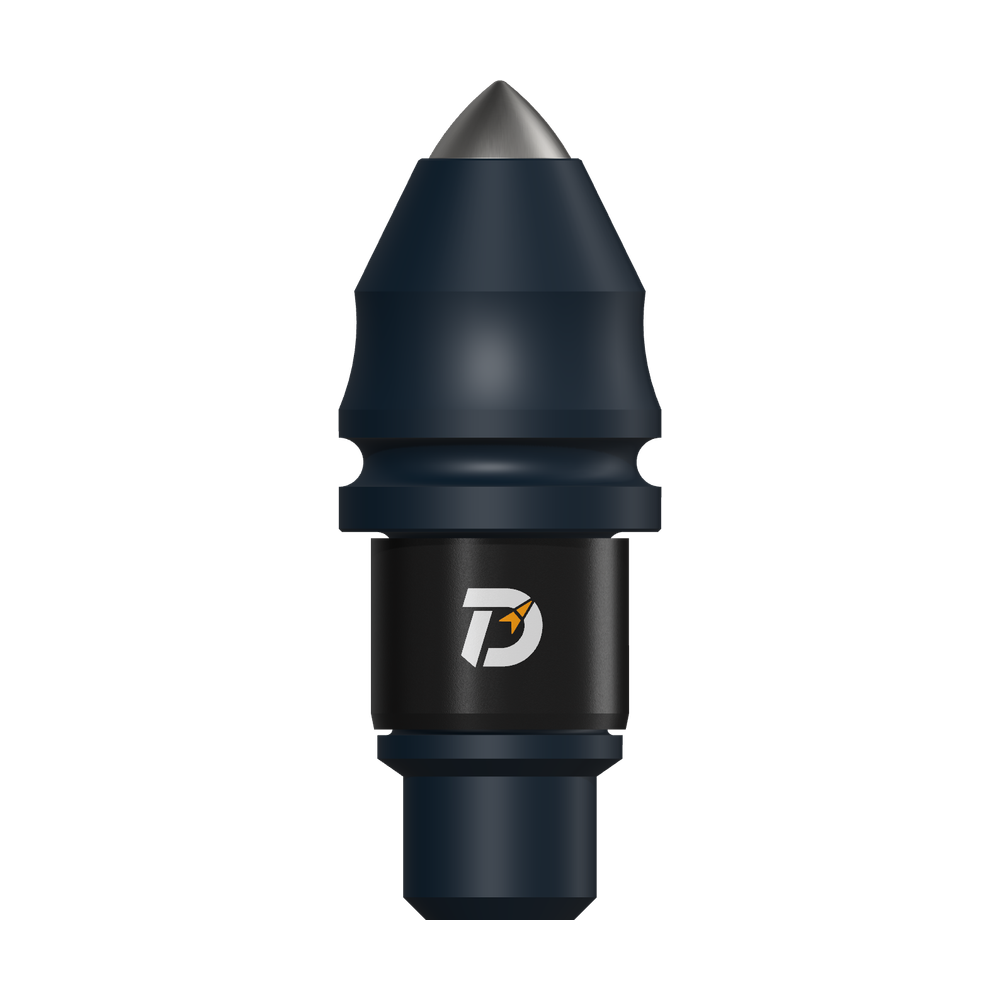 B47K22 bullet tooth
Uncategorized
-
How to connect a roller-bit steel report to the right component
A useful material file links the steel grade to the cone or leg, then to treatment and finished-part records. The component identity comes before the test numbers.
-
Roller-bit bearing inspection: what a free-turning cone cannot tell you
Hand rotation checks movement; it does not measure bearing fit. Inspect the journal, mating bores, seal seat and assembled movement against the selected drawing.
-
Shiyan roller-bit inspection: wear and insert support
Original photographs, a 22.5 m inspection annotation and an insert section show how supporting steel, cutter placement and entry behaviour were reviewed together.
-
How to track roller-bit wear and metres drilled
Separate project metres, tool advance and individual roller-bit exposure. Use numbered positions and a replacement log to make wear and cost comparisons meaningful.
-
Planning individual roller-bit replacement on a 1,200 mm barrel
A ten-position site inspection shows how to plan selected roller-bit replacements, review the surrounding barrel and identify the mounting and parts to order.
-
Rock identification on a piling site: what the sample can tell you
Recognise crystals, grains, shells, layering and weathering before choosing a drilling tool. Real reference photos explain the clues and their limits.
-
Rock strength, abrasivity and tool selection for bored piling
Understand what Mohs hardness, UCS, abrasivity and fractures do—and do not—tell you when comparing roller bits, bullet teeth and complete drilling tools.
-
Roller-bit installation: geometry, welding heat and final checks
Control the complete roller-bit installation from ring condition and tack positioning to heat protection and final inspection. A strong weld alone cannot establish the correct cutting path or confirm that the assembled bearing and seal remain fit for service.
-
Roller-bit drilling: controlling load, RPM and the operating sequence
Relate the rig’s pressure display to the actual loading system, establish stable rock contact and assess changes in rotary-head speed against useful penetration. A practical sequence for parameter trials, clearing and inspection without treating one site’s settings as universal.
-
Slow roller-bit penetration: cuttings, engagement or core recovery?
Separate cutting time from clearing and core recovery, then inspect the complete barrel before changing the cutters. A diagnosis sequence connecting packed material, wear patterns, guide condition and companion tools to a focused, measurable follow-up.