
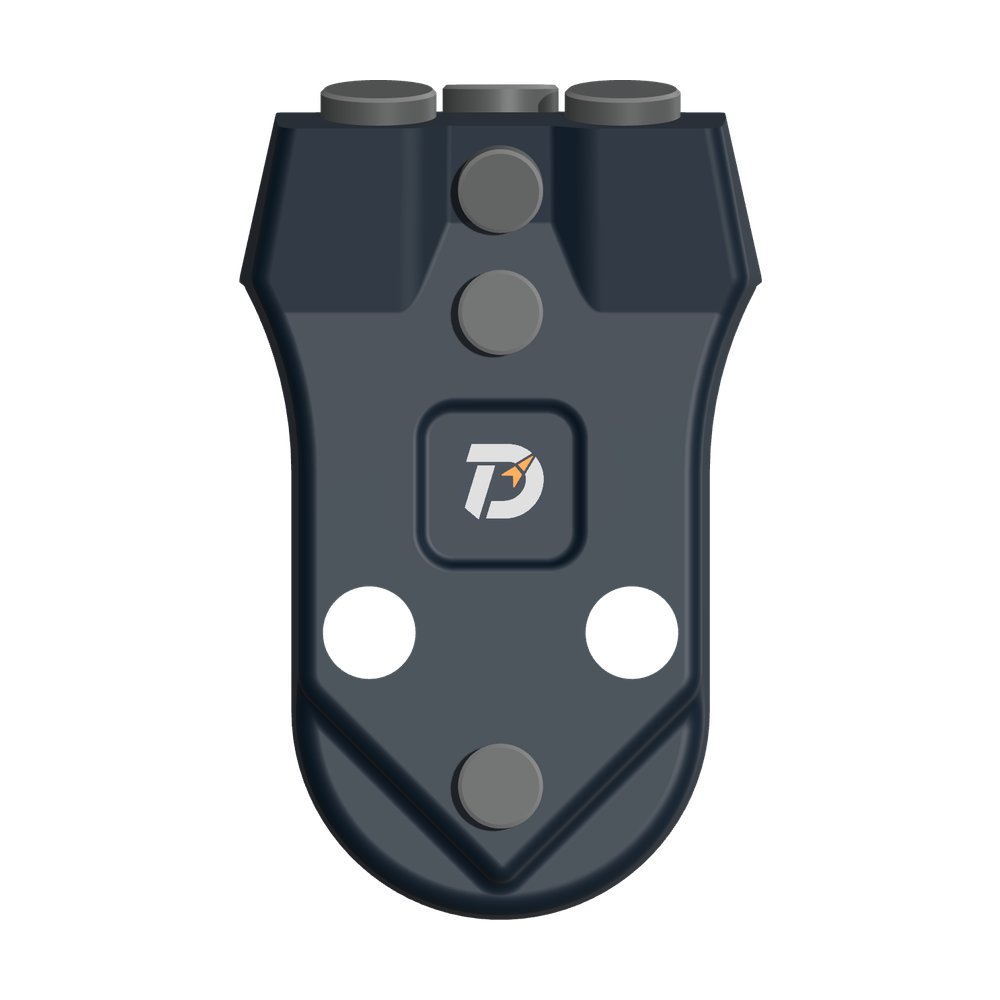
 WS39 casing tooth
 JM cutter tooth
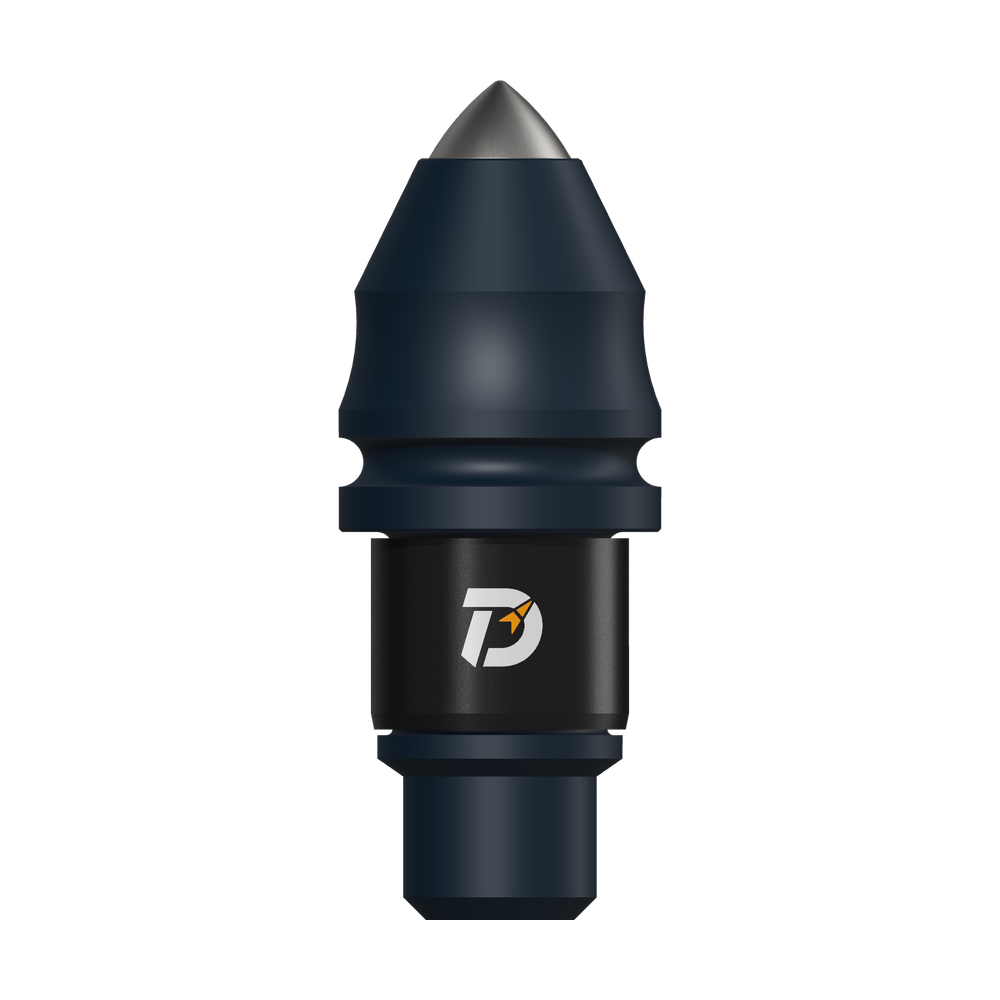 B47K22 bullet tooth
RESOURCES
Start with your
drilling question
Selection, installation, wear and quality guides for roller bits, core barrels and cutting teeth. Choose a question below or search by tool or symptom.
Download four model summaries (PDF)
No matching resources. Try a product name or a shorter phrase.
01 · TOOL SELECTION
Which tool fits the job?
Identify the ground, match the mounting and prepare the right information for a quote.
TECHNICAL GUIDE
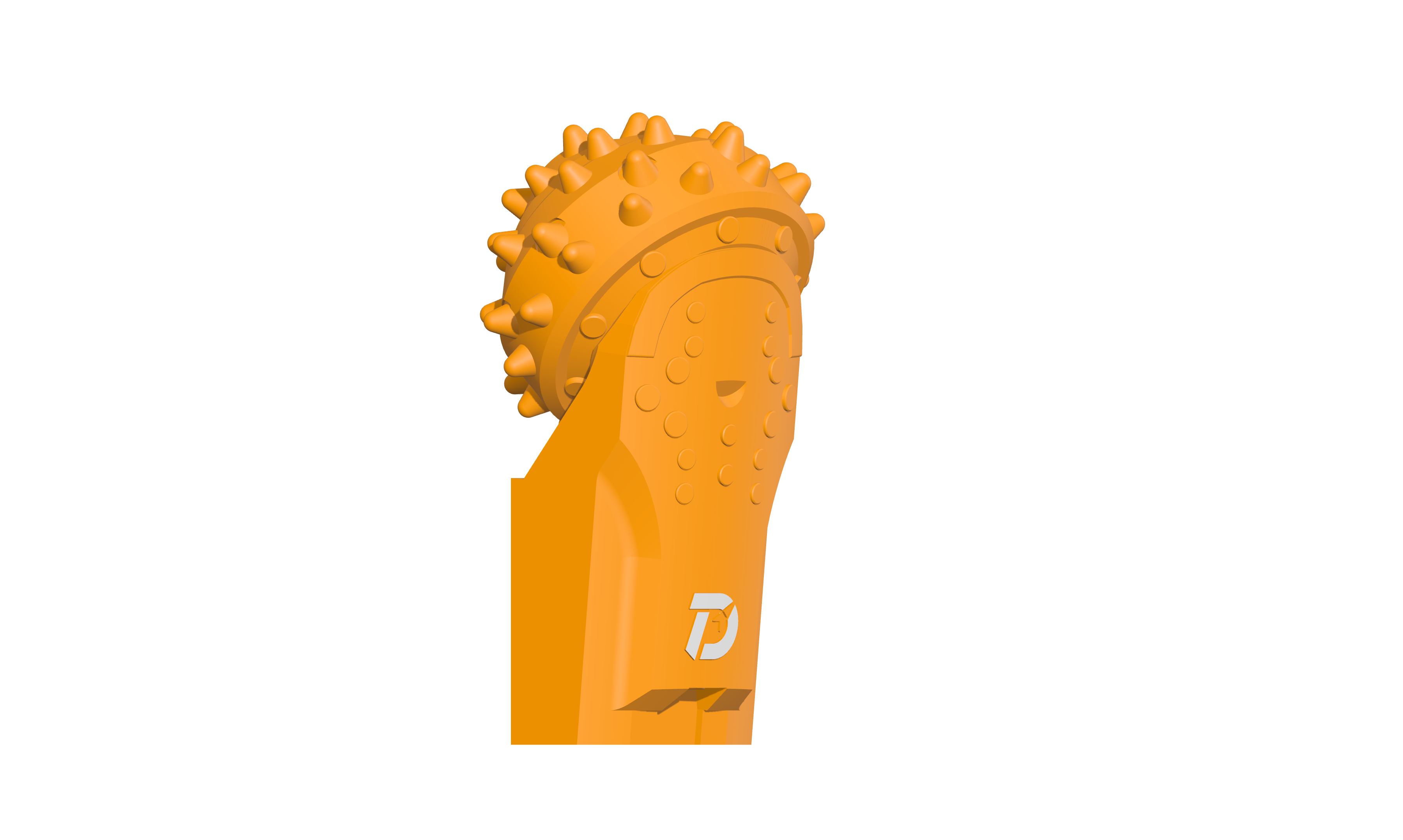
Weld-on or replaceable roller bits?
Compare what stays on the tool, what must be replaced and which installation checks each mounting system needs.
Read the guide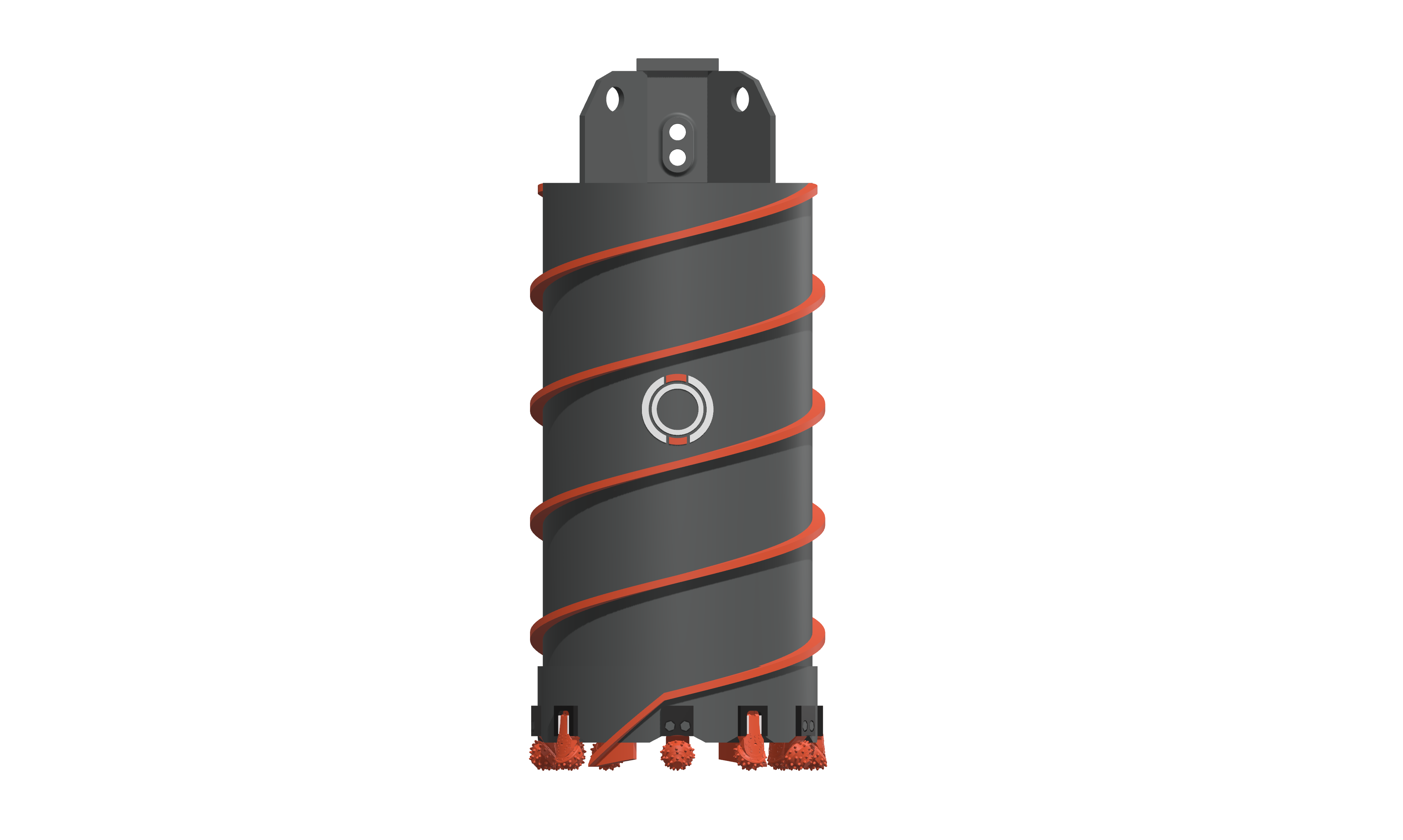
TECHNICAL GUIDE
Core-barrel quotations: dimensions and connections
Bring the required cutting diameter, rig connection, ground information and supply scope. Existing-tool photos help when replacing an assembly.
Read the guide
GROUND & SELECTION
Core barrel, auger or drilling bucket?
Separate slow cutting from clearing and core-recovery delays before comparing tools and cutting systems.
Read the guideSpecific parts & applications (5)
Tool geometry
Staged core barrels: read the two diameters
Distinguish the preceding hole, enlargement diameter and guide position using clearly attributed published examples.
Dimensions & fit
What does an 8½-inch roller bit mean?
Understand 8.5-inch nominal size, cone size and barrel cutting diameter using MH-series examples.
Rock identification
Rock identification on site
Compare crystals, grains, weathering and photographed rock textures.
Component checks
B47 teeth, holders and retainers
Match the shank and holder, then prepare separate enquiry lines for teeth, holders and retainers.
Component checks
Ordering WS39 teeth and mounting parts
Identify the tooth, holder and pins, with separate quantities and new-or-reuse decisions for each part.
02 · INSTALLATION & OPERATION
How should the tool be set up?
Position the cutters, check the complete barrel and plan how the tool will work.
ROLLER-BIT PRACTICE
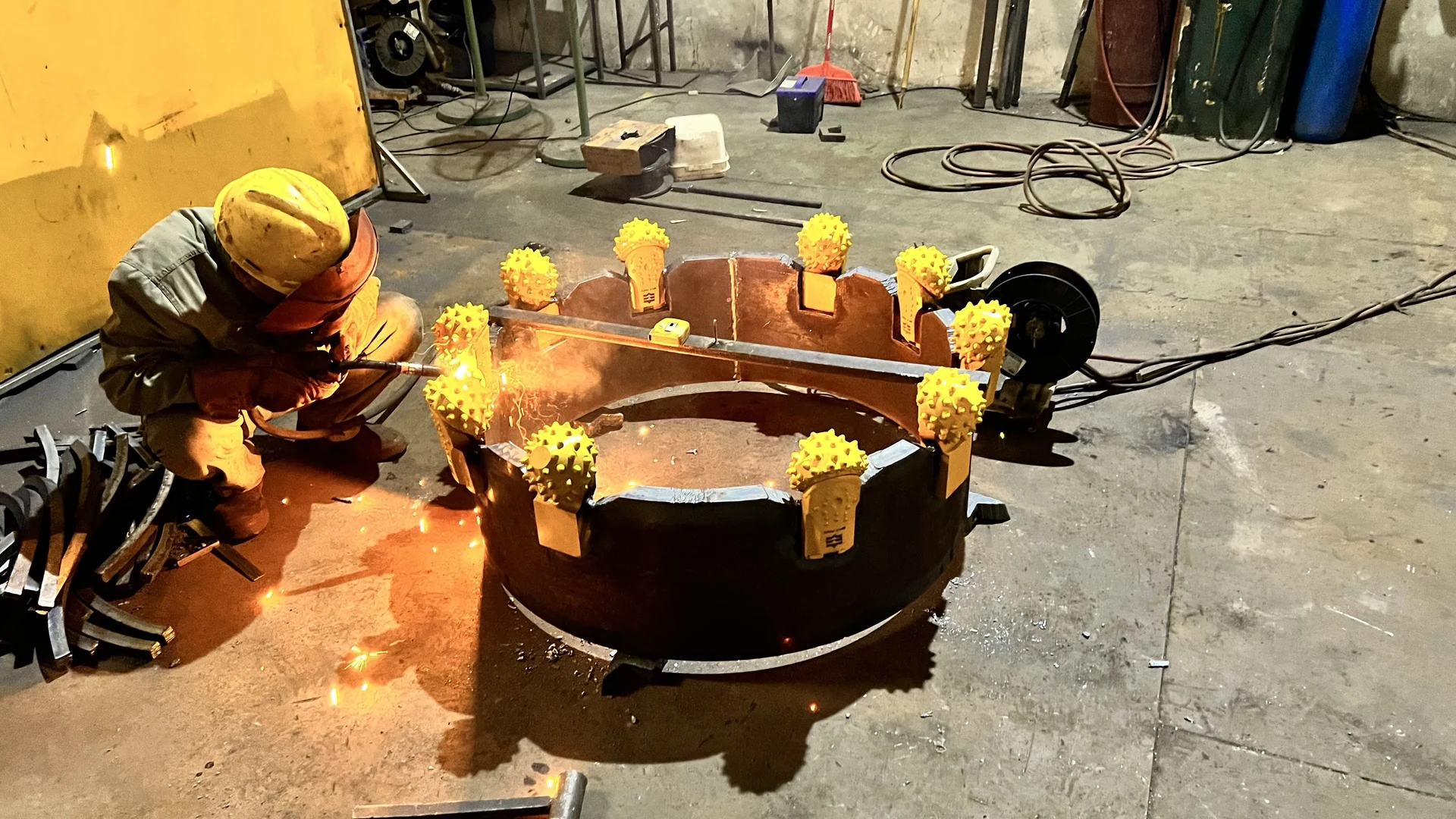
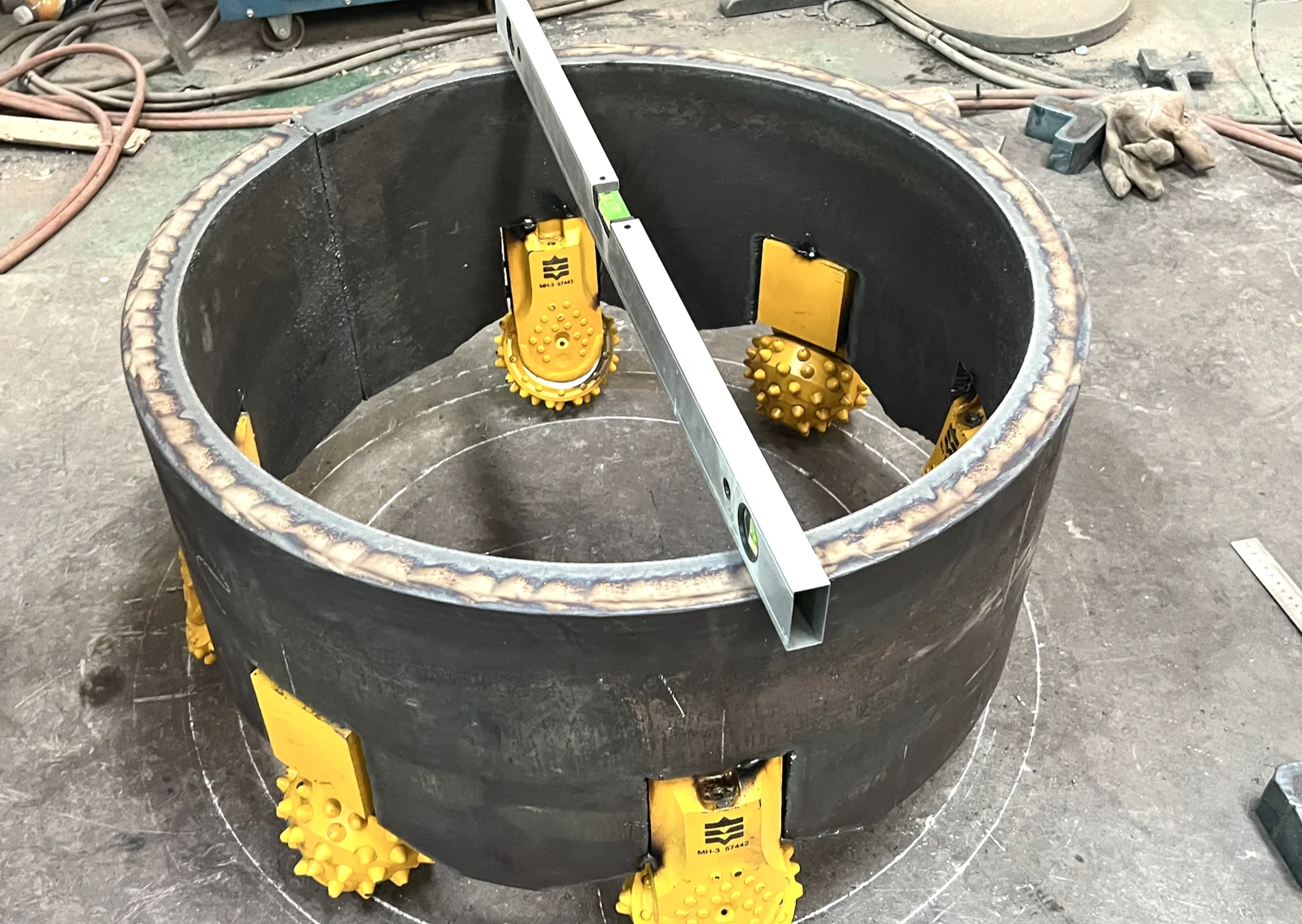
Roller-bit installation: position, weld and inspect
Check ring condition, roller-bit position and welding heat protection before final inspection of the complete cutting assembly.
Read the guide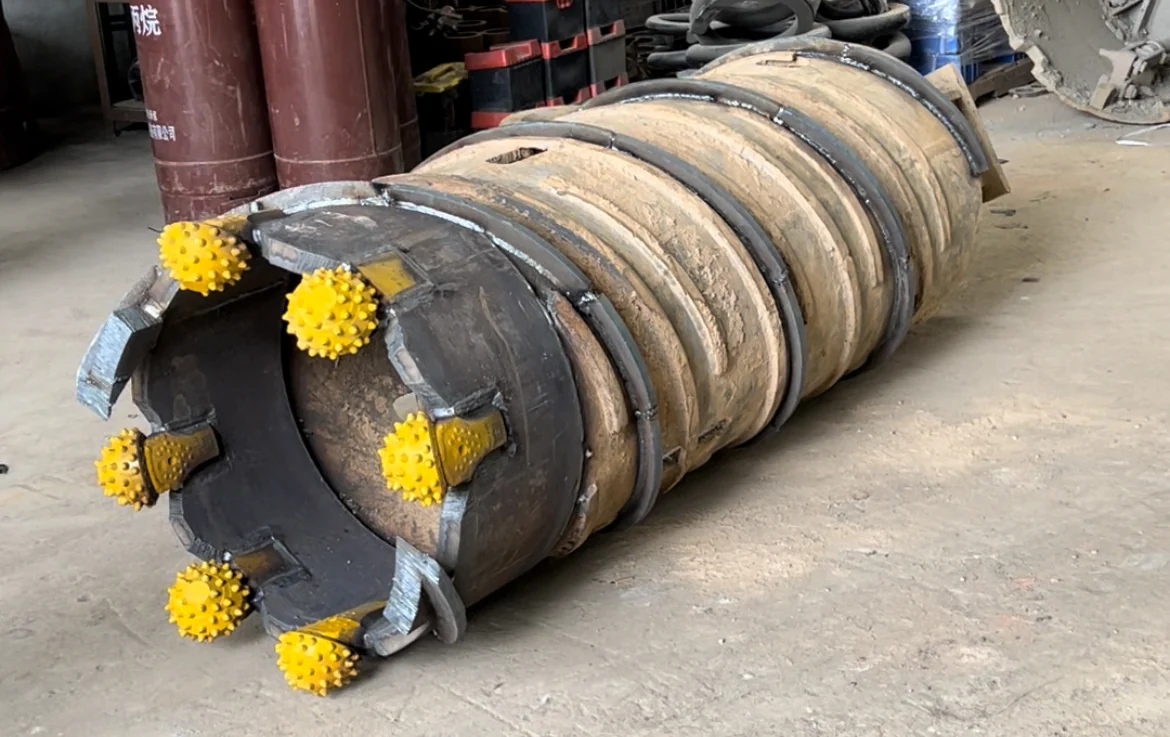
ROLLER-BIT PRACTICE
Roller-bit operation: load, RPM and the drilling cycle
Relate rig pressure readings to tool loading, then review rotary-head speed, penetration and clearing during controlled parameter trials.
Read the guide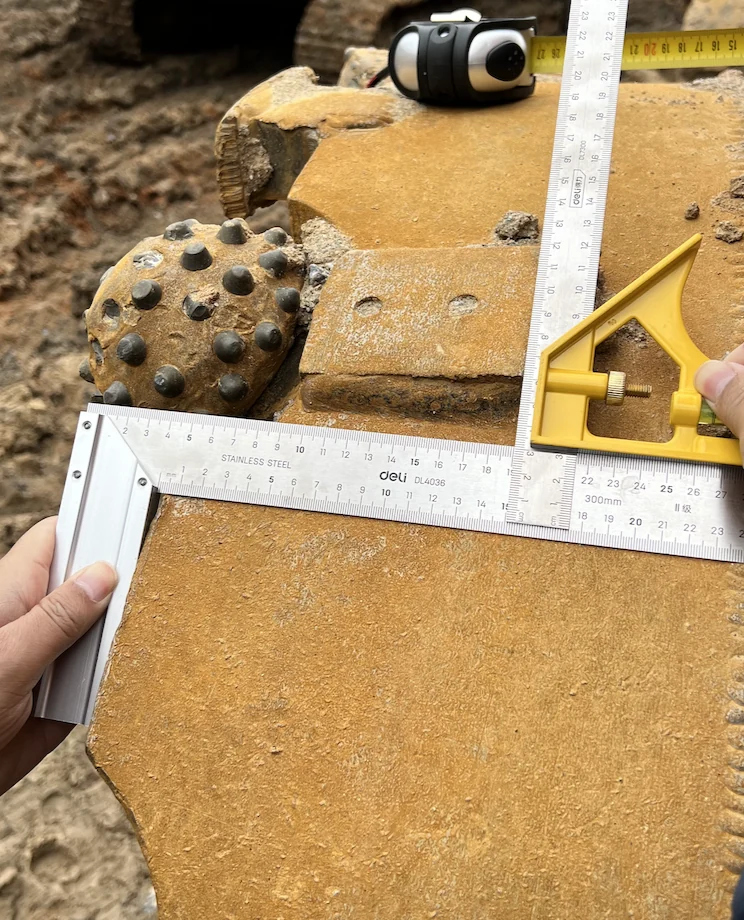
TECHNICAL GUIDE
Roller-bit core-barrel layout: quantity, position and cutting paths
Review roller-bit quantity and mounting space, then check the inner and outer cutting paths from one centre.
Read the guideInstallation & workshop guidance (3)
How the tool works
What does a core-barrel scraper do?
Separate residual rock ridges, loose fragments and fines, then follow the roles of roller bits, scrapers and external guides.
Repair planning
Inspect the barrel before fitting new roller bits
Check the cutting ring, shell and guides before agreeing the repair scope.
Workshop record
Positioning sixteen roller bits on a 1,800 mm barrel
Follow the workshop layout and rechecks before the cutting ring is completed.
Site surveys & repair assessments (2)
FIELD SUPPORT CASE
On-site fitting support and a custom coring solution
Follow the Hunan measurements and positioning work, then see the taller 1.6 m barrel and separate core-recovery tool ordered for the customer’s next project.
REPAIR ASSESSMENT
Which roller bits need replacing?
A numbered ten-position inspection helps separate individual roller-bit replacement from repairs to the surrounding barrel.
03 · TROUBLESHOOTING
What should I check next?
Start with the symptom. Compare wear, cutting behaviour and the condition of the complete assembly.
Field supportTurn a site problem into a useful review.Choose a symptom. Get the checks, photo list and a summary to share.
Before inspecting: stop the rig and follow the site’s isolation and handling procedure. Approach the tool only when it is securely supported and isolated. Do not recreate abnormal operation for a video.
Your next review
Checks and records to bring
This checklist helps organize a technical review. It does not identify the cause or prescribe operating settings.
Checks to discuss
Photographs to include
Nothing is sent here. “Use in enquiry” makes this summary available in this browser tab for up to 30 minutes. On the enquiry page, choose “Use field summary” to add it to your message. Photos can be sent by email or WhatsApp.
TROUBLESHOOTING
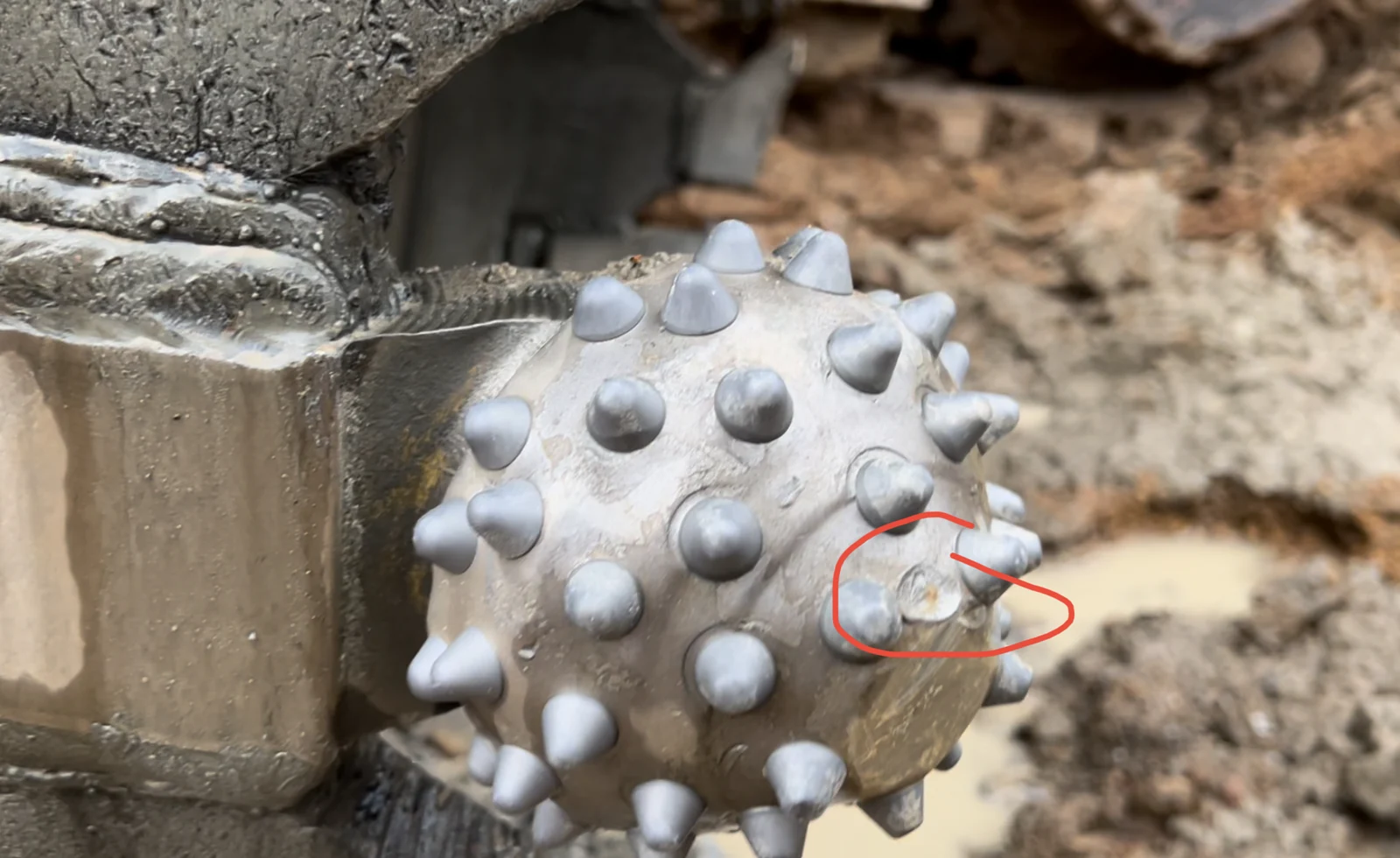
Roller-bit failure: missing cone, seized cone or insert damage
Identify what is missing, inspect the remaining leg or cone, and collect the photos and operating record needed for a technical review.
Read the guide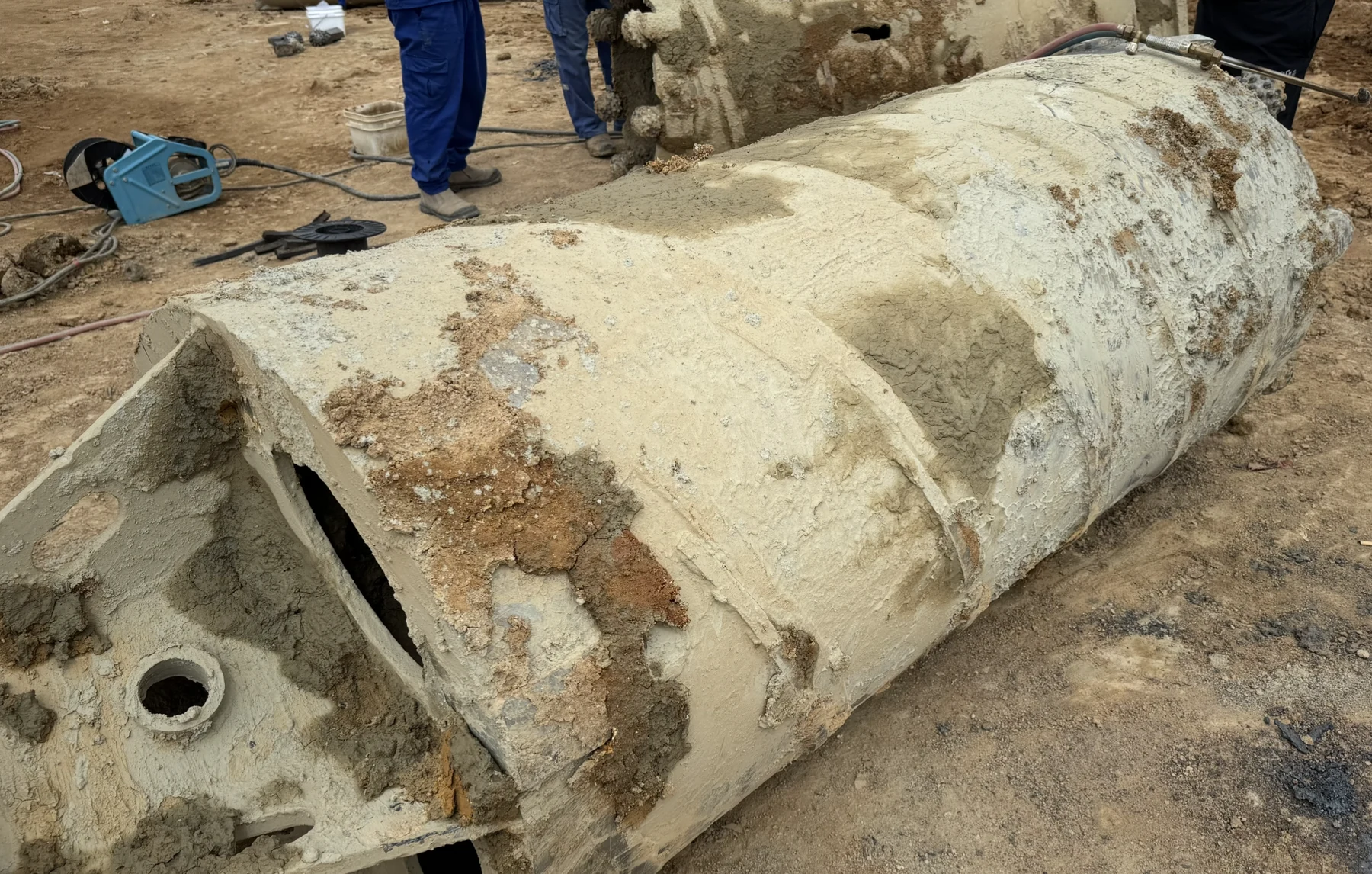
ROLLER-BIT PRACTICE
Slow drilling: cutting, clearing and core recovery
Separate cutting time from clearing and core recovery. Packed material, wear patterns and guide condition help identify the next check.
Read the guide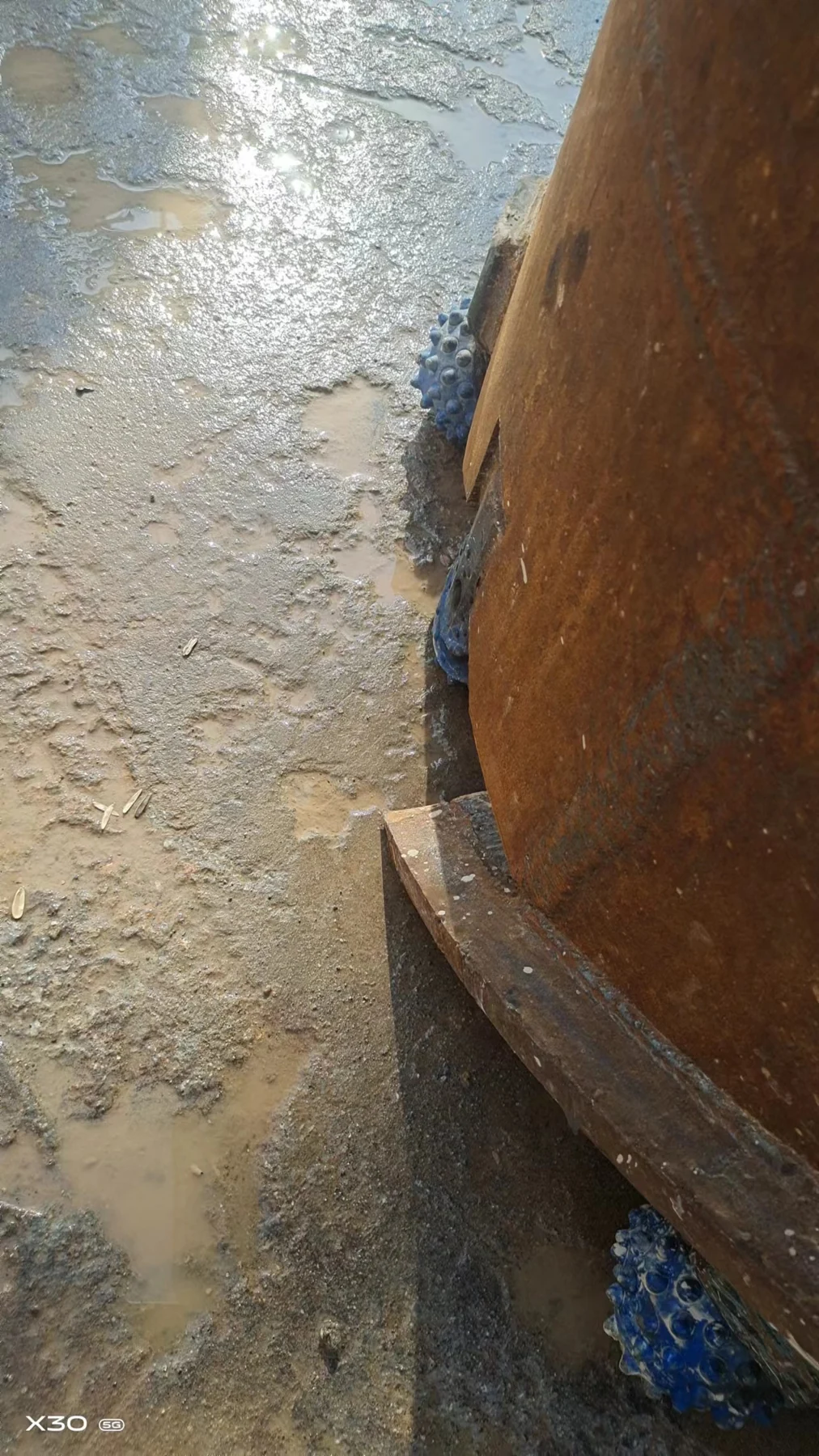
TROUBLESHOOTING / ROLLER BITS
A jumping barrel: inspect the whole cutting assembly
Review cutters, scrapers and spoil guides together. Their relative geometry and the operating context help narrow the causes of jumping.
Read the articleInspection methods & wear guides (3)
Inspection method
MH-3 roller-bit life and cost per metre
35–50 m in 100–150 MPa granite: a field-experience reference, with drilling records, wear photos and a cost-per-metre method.
Wear guide
Read uneven bullet-tooth wear
Compare tooth condition across the complete cutting assembly.
Inspection method
Inspect bullet teeth through a field trial
Keep stage-by-stage condition and replacement records with the drilling log.
Field inspection records (3)
FIELD INSPECTION
800 mm MH-3 barrel: investigating packed cuttings
Photographs and operating readings connect steel wear, restricted cone rotation and cuttings removal with the next checks.
WEAR ANALYSIS
Steel loss: examine what supports each insert
Earlier and later wear photographs show how supporting steel and cutter position were assessed before proposing repairs.
HOLDER INSPECTION
Before replacing a tooth, look inside the holder
A removed holder and a cut-open specimen show the internal surfaces to compare before fitting another round-shank trench cutter tooth.
04 · MATERIALS & QUALITY
Which quality records do I need?
Understand the component, the inspection and the records to request with your order.
 Workshop photograph
MANUFACTURING & QC
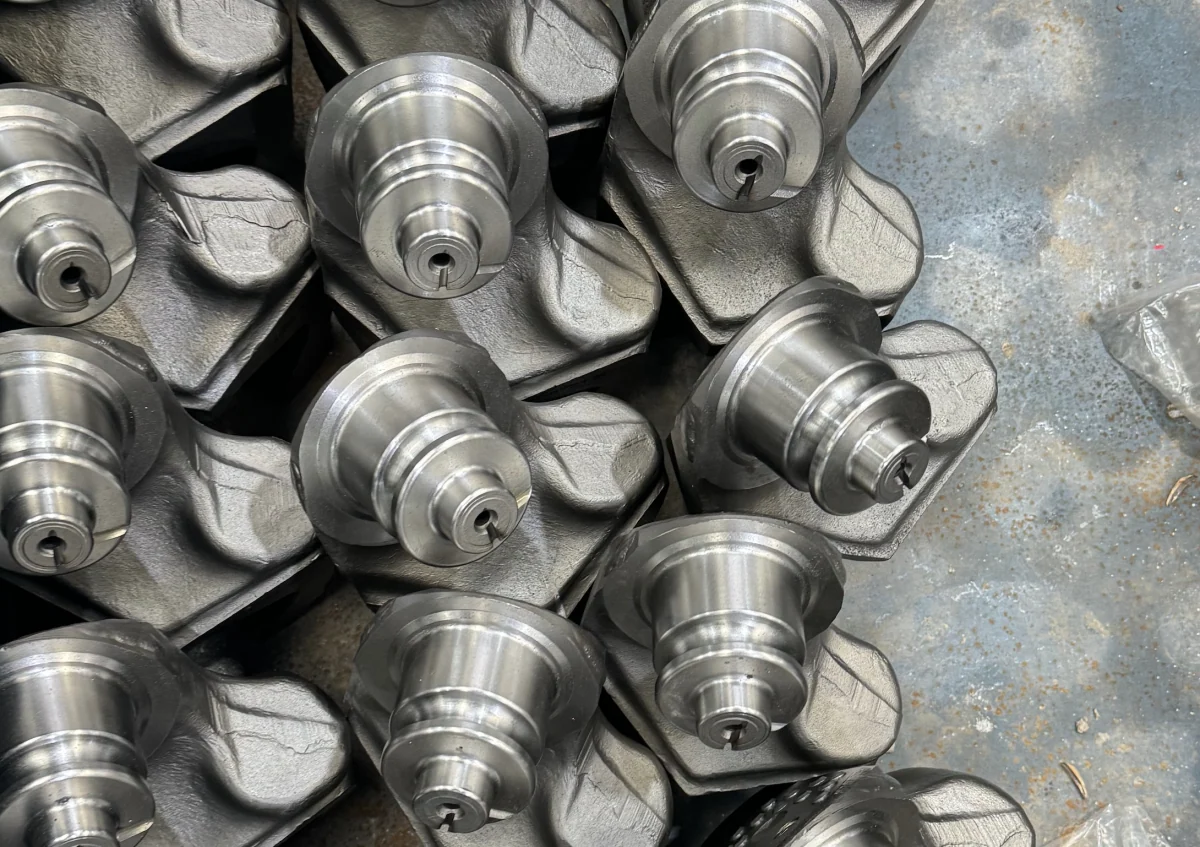
Roller-bit manufacturing: from steel to assembly
Follow a historical MH-3 example through cone and leg materials, hardfacing, heat treatment, finish machining and assembly-fit inspection.
Read the article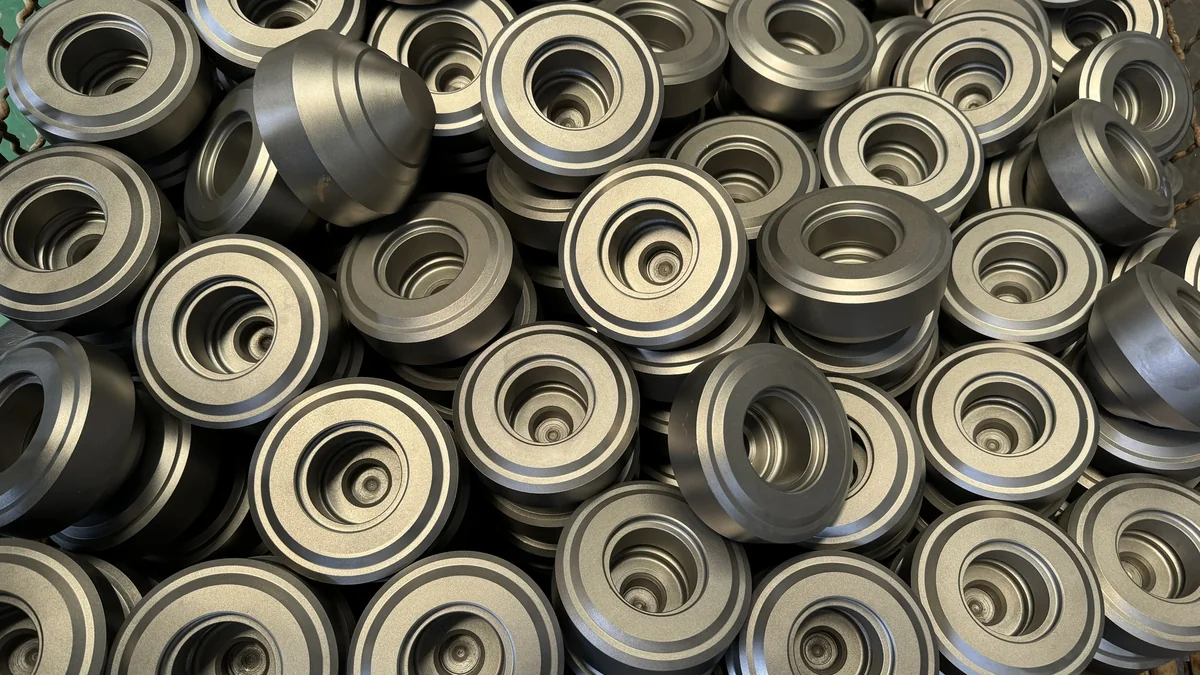
TECHNICAL GUIDE
Roller-bit quality: inspection and traceability
Agree the inspection records, then match report references, component identity and inspection coverage to the delivered parts.
Read the guide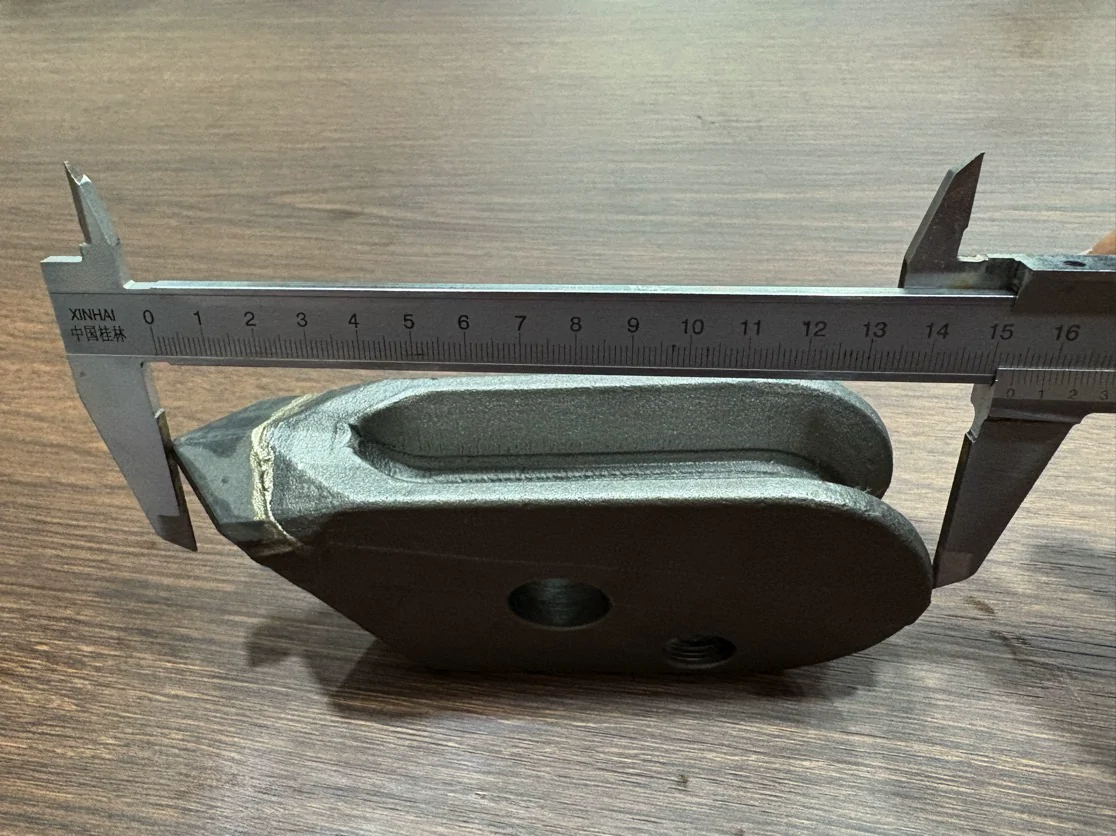
TECHNICAL GUIDE
Cutter-tooth inspection: dimensions and brazed joints
Two historical JM samples show dimensional checks and brazed-joint inspection. Acceptance limits must come from the current part drawing.
Read the guideMaterial & assembly checks (2)
Material records
Match steel reports to the cone or leg
Keep the material grade tied to the correct component and its records.
Assembly checks
Bearing fit beyond a freely turning cone
Review the fit and assembly checks behind the roller cone’s movement.